The Meaning of It All by Richard P. Feynman — Summary, Key Ideas & Quotes
2002432 pages✦ 3-min Big ideas★ 4.0 (1)
Rate it
Praise for The Pleasure of Finding Things Out:"[A] sparkling collection."--Wall Street Journal"This marvelous collection of talks, interviews, and essays offers a memorable sample of the wit, brilliance, and irreverence of the most celebrated physicist of our time. The more one reads of Feynman, the more one falls in love with his refreshingly enthusiastic view of the world."--Alan Guth, author of The Inflationary Universe"A delightful reminder of Feynman's prodigious gifts."--Nature"Feynman's distinctive voice rings out in this book."--Scientific AmericanPraise for The Meaning of It All:"From the great physicist's archives, three delightful lectures on science, society, and our precious freedom of ignorance."--New York Times"Richard Feynman was a man of many reputations: brilliant physicist, charismatic teacher, irrepressible raconteur, and unforgettable character ...When Feynman describes the scientist as an acrobat walking 'beautiful tightropes of logic,' we understand how a generation of young physicists might have been drawn to follow this brilliant Pied Piper out onto the wire, high above the crowd."--Boston Globe"Scattered through this book is a wonderful collection of personal stories, told in the authentic Feynman style, bringing his meditations to life."--The New York Review of Books
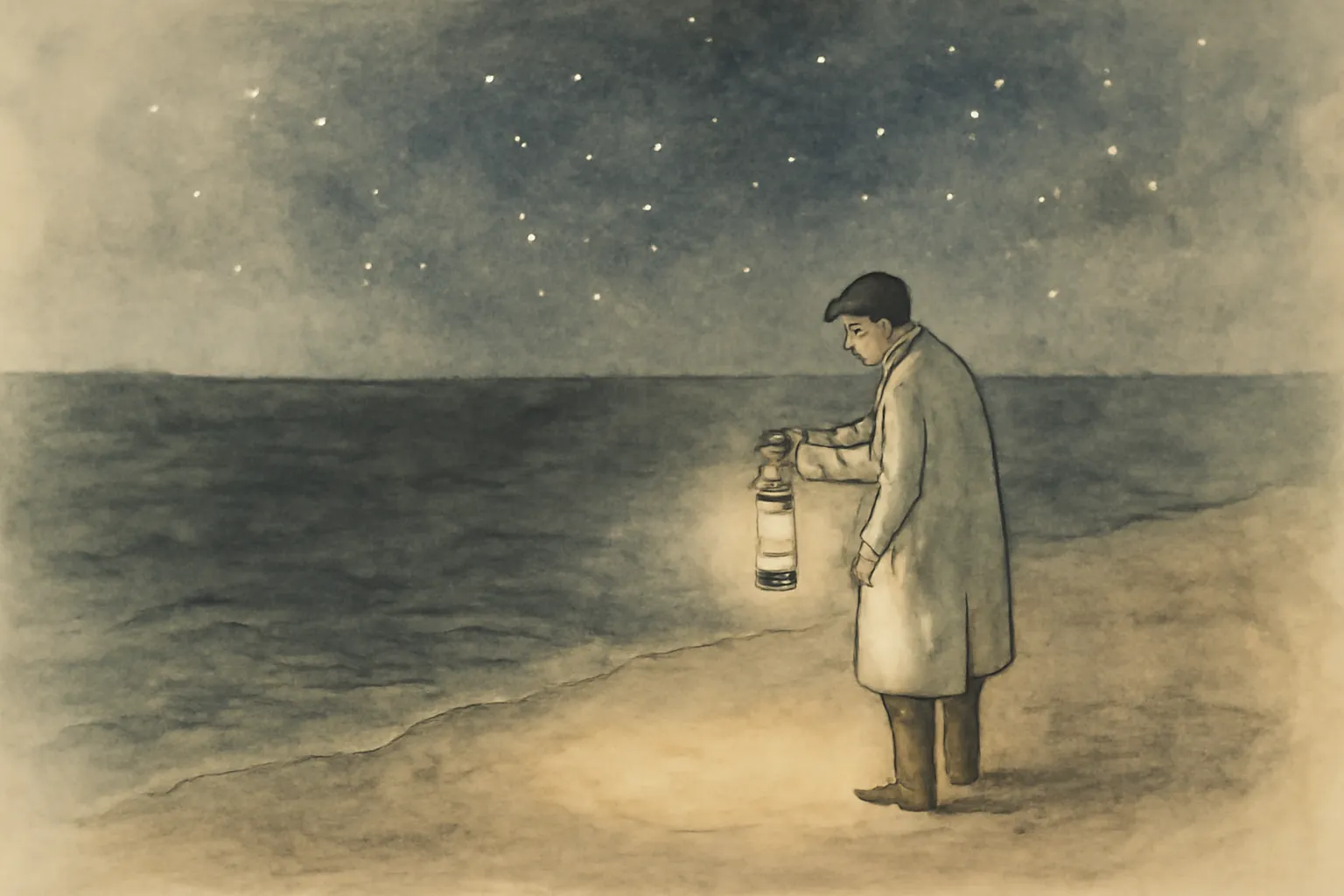
Feynman champions the importance of doubt and uncertainty, arguing that science thrives not on certainties but on the willingness to question, revise, and admit ignorance. He suggests that the scientific method is not about proving things absolutely true, but about refining our understanding through continual questioning. This openness to being wrong, he asserts, is a strength, not a weakness, and is essential for progress in both science and society.
Feynman is clear that science, for all its power, does not—and cannot—answer every question. There are mysteries beyond the reach of empirical investigation, especially in the realms of morality, meaning, and the human experience. He cautions against the temptation to treat science as a new religion or to expect it to provide ultimate answers to existential questions.
“I can live with doubt and uncertainty and not knowing.”
“The freedom to doubt is an important matter in the sciences and, I believe, in other fields.”