
Fiction, cultural heritage · Indians of north america, fiction · North dakota, fiction
The Night Watchman by Louise Erdrich — Summary, Key Ideas & Quotes
2020464 pages✦ 3-min Big ideas★ 4.8 (4)
Rate it
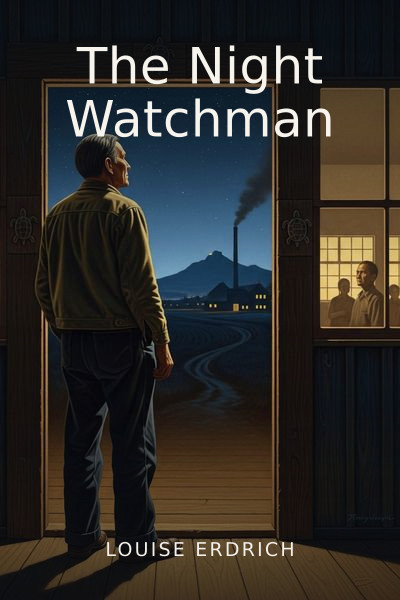
Based on the extraordinary life of Louis Erdrich's grandfather Patrick Gourneau, who worked as a night watchman and carried the fight against Native dispossession from rural North Dakota all the way to Washington, with lightness and gravity, and unfolds with the elegant prose, sly humor, and depth of feeling of a literary master. Thomas Wazhashk is the night watchman at the jewel-bearing plant, the first factory located near the Turtle Mountain Reservation in rural North Dakota. He is also a Chippewa council member who is trying to understand the consequences of a new "emancipation" bill on its way to the floor of the United States Congress. It is 1953 and he and the other council members know the bill isn't about freedom: Congress is fed up with Indians. The bill is a "termination" that threatens the rights of Native Americans to their land and their very identity. How can the government abandon treaties made in good faith with Native Americans "for as long as the grasses shall grow, and the rivers run"? Since graduating from high school, Pixie Paranteau has insisted that everyone call her Patrice. She makes jewel bearings at the plant, a job that pays barely enough to support her mother and younger brother. Patrice's alcoholic father returns home sporadically to terrorize his wife and children, and to bully Patrice for money. But Patrice needs every penny to follow her beloved older sister, Vera, who moved to the big city of Minneapolis. Vera may have disappeared; she hasn't been in touch in months and is rumored to have had a baby. Determined to find Vera and her child, Patrice makes a fateful trip to Minnesota that introduces her to unexpected forms of exploitation and violence and endangers her life. Thomas and Patrice live in a reservation community. We also come to know young Chippewa boxer Wood Mountain and his mother, Juggie Blue, and Patrice's best friend, Valentine, as well as Hay Stack Barnes, the white high school math teacher and boxing coach who is hopelessly in love with Patrice. In The Night Watchman, Louise Erdrich creates a fictional world populated with memorable characters who are forced to grapple with the worst and best impulses of human nature. Illuminating the loves and lives, the desires and ambitions, of these characters with compassion, wit, and intelligence, The Night Watchman is a majestic work of fiction from one of the most acclaimed writers of our time. --
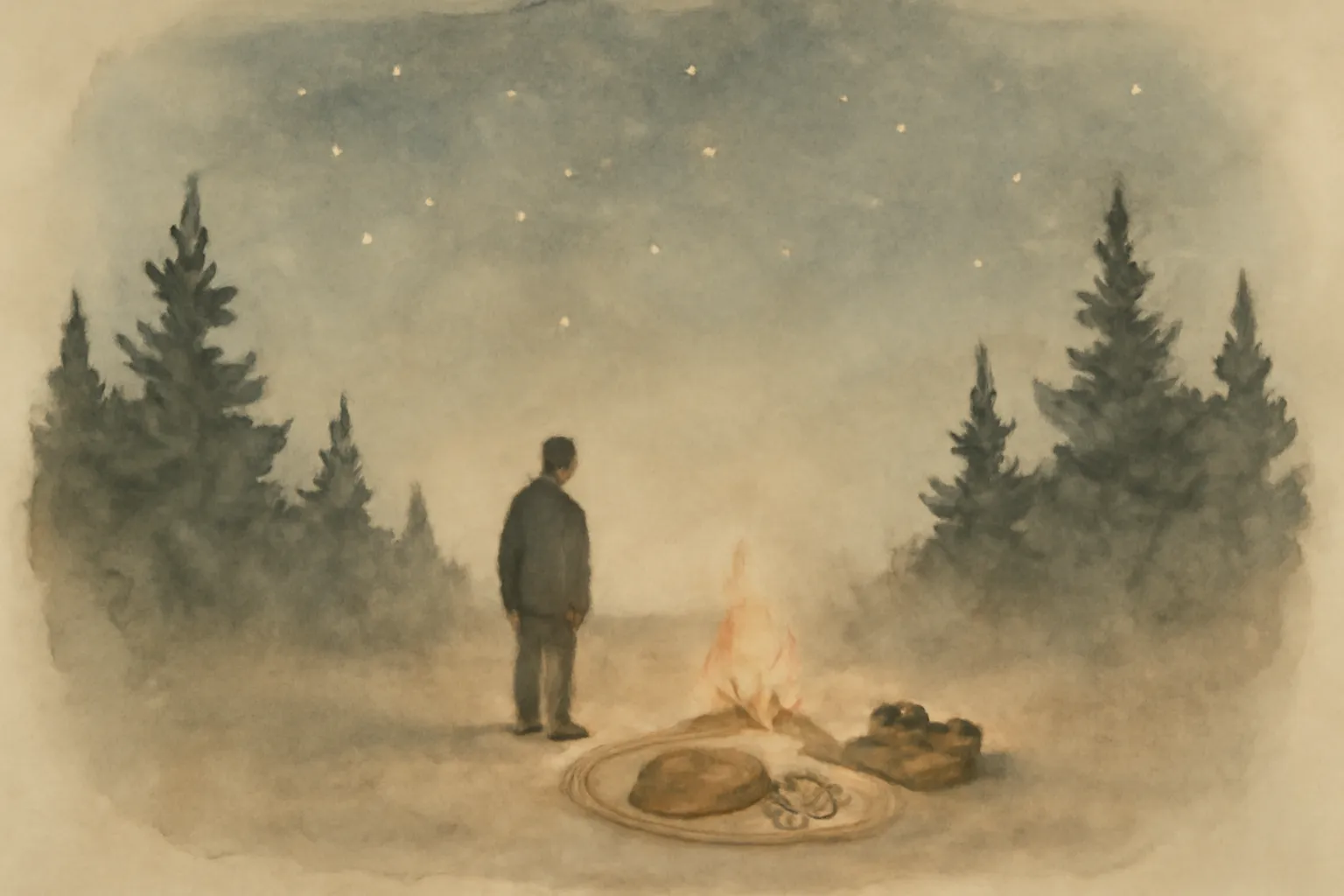
At its core, The Night Watchman dramatizes the real-life battle against the 1953 federal 'termination' policy, which aimed to dissolve tribal nations and strip Native Americans of their land and legal status. Through the character of Thomas Wazhashk, Erdrich shows how ordinary citizens—armed with determination and a sense of justice—can resist powerful forces. The novel unpacks the bureaucratic language of 'emancipation' to reveal its true intent: dispossession and erasure. This struggle is not just political, but deeply personal, as it threatens the very fabric of community and identity.
While the political fight is central, Erdrich devotes equal attention to the daily realities of life on the Turtle Mountain Reservation. Through characters like Patrice Paranteau, readers see the grind of low-wage labor, the pressures of family responsibility, and the small acts of resilience that sustain hope. The novel honors the dignity found in work, kinship, and tradition, even amid poverty and uncertainty. These details ground the larger historical narrative in lived experience, making the stakes of the struggle tangible and immediate.
“We are here because of our ancestors. We are here because of our children.”
