
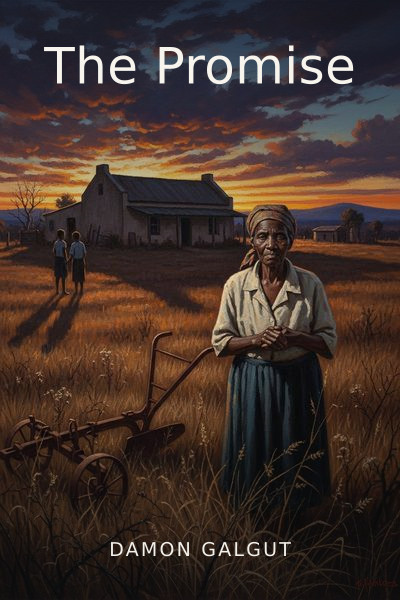
New York Times reviewed · Fiction, family life · South africa, fiction
The Promise by Damon Galgut — Summary, Key Ideas & Quotes
2021256 pages✦ 3-min Big ideas
Rate it
A masterpiece of a family in crisis from twice Booker-shortlisted author Damon Galgut- 'one of the world's great writers' (Edmund White) and 'the bold, fresh voice of South African fiction' (Observer) A masterpiece of a family in crisis from twice Booker-shortlisted author Damon Galgut 'Emotionally powerful and thrilling,' Gabriel Byrne 'A literary masterpiece' Sarah Hall The Promise charts the crash and burn of a white South African family, living on a farm outside Pretoria. The Swarts are gathering for Ma's funeral. The younger generation, Anton and Amor, detest everything the family stand for -- not least the failed promise to the Black woman who has worked for them her whole life. After years of service, Salome was promised her own house, her own land... yet somehow, as each decade passes, that promise remains unfulfilled. The narrator's eye shifts and blinks- moving fluidly between characters, flying into their dreams; deliciously lethal in its observation. And as the country moves from old deep divisions to its new so-called fairer society, the lost promise of more than just one family hovers behind the novel's title. In this story of a diminished family, sharp and tender emotional truths hit home. Confident, deft and quietly powerful, The Promise is literary fiction at its finest. 'Gorgeous and pleasurable' Tessa Hadley 'The most important book of the last ten years' Edmund White 'Simply- you must read it' Claire Messud
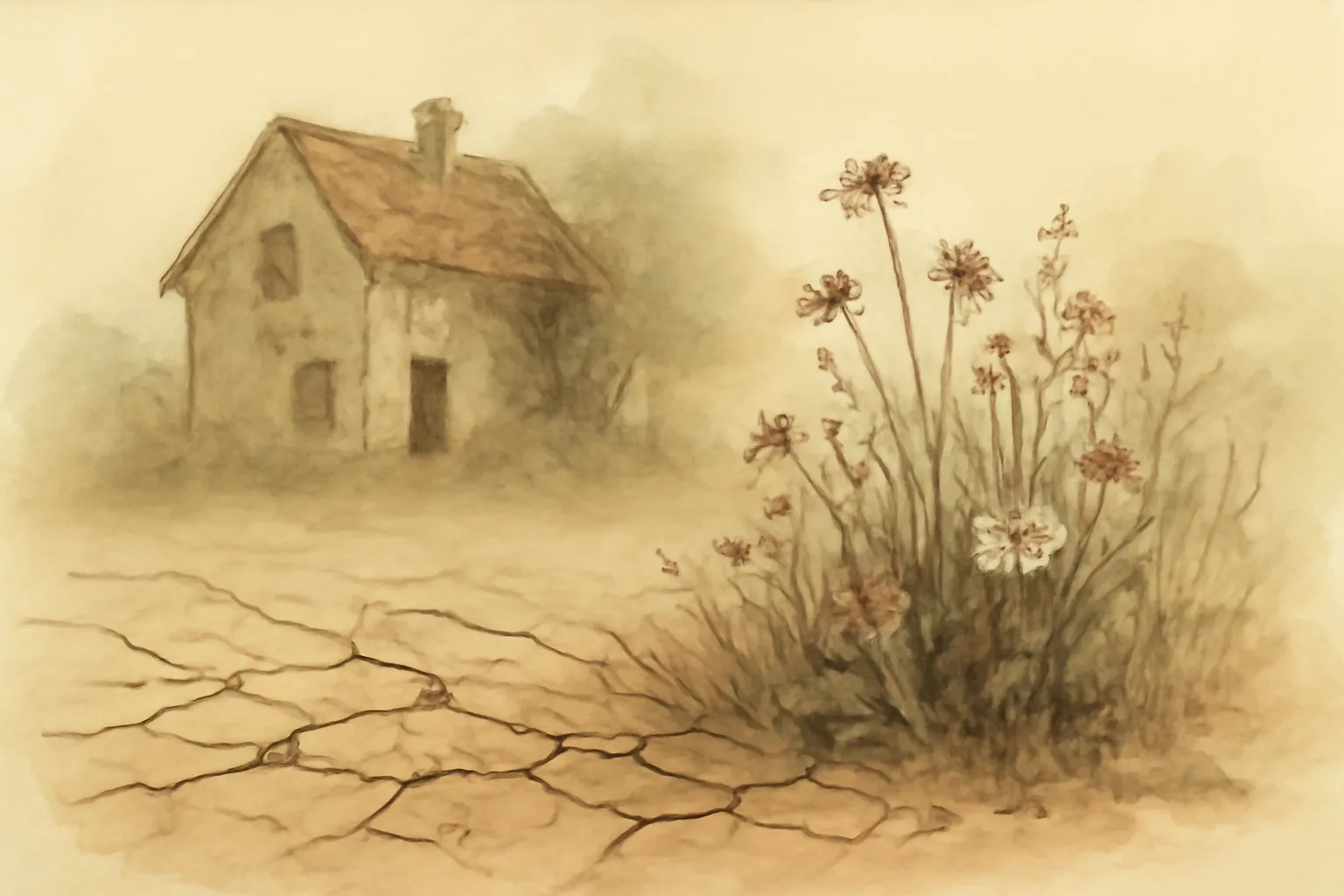
At its core, the novel uses the Swart family's repeated failure to fulfill a simple promise—giving their Black servant, Salome, ownership of her house—as a metaphor for South Africa's own unfulfilled promises after the end of apartheid. The family's neglect, rationalizations, and inertia echo the country's struggle to deliver justice and equality, despite the rhetoric of change. The personal is inseparable from the political, and the family's decay mirrors the nation's unresolved tensions.
Galgut employs a distinctive narrative style, shifting fluidly between characters’ inner thoughts and omniscient observation, often within a single paragraph. This technique immerses the reader in a kaleidoscope of consciousness, reflecting the fractured nature of memory, guilt, and denial. The narrative voice is both intimate and detached, exposing the characters’ self-deceptions and the limitations of their perspectives.
“History has a habit of knocking at your door. You can try to ignore it, but sooner or later it will find you.”