

Fiction · Families · Family
Buddenbrooks by Thomas Mann — Summary, Key Ideas & Quotes
1909669 pages✦ 3-min Big ideas★ 3.8 (4)
Rate it
This epic, sub-titled ‘The Decline of a Family’, was Mann’s first novel, published in 1901. It traces the gradual downfall of a wealthy family over four generations in the city of Lubeck. The novel is widely regarded as a classic portrait of bourgeois society and family life in 19th century Germany.
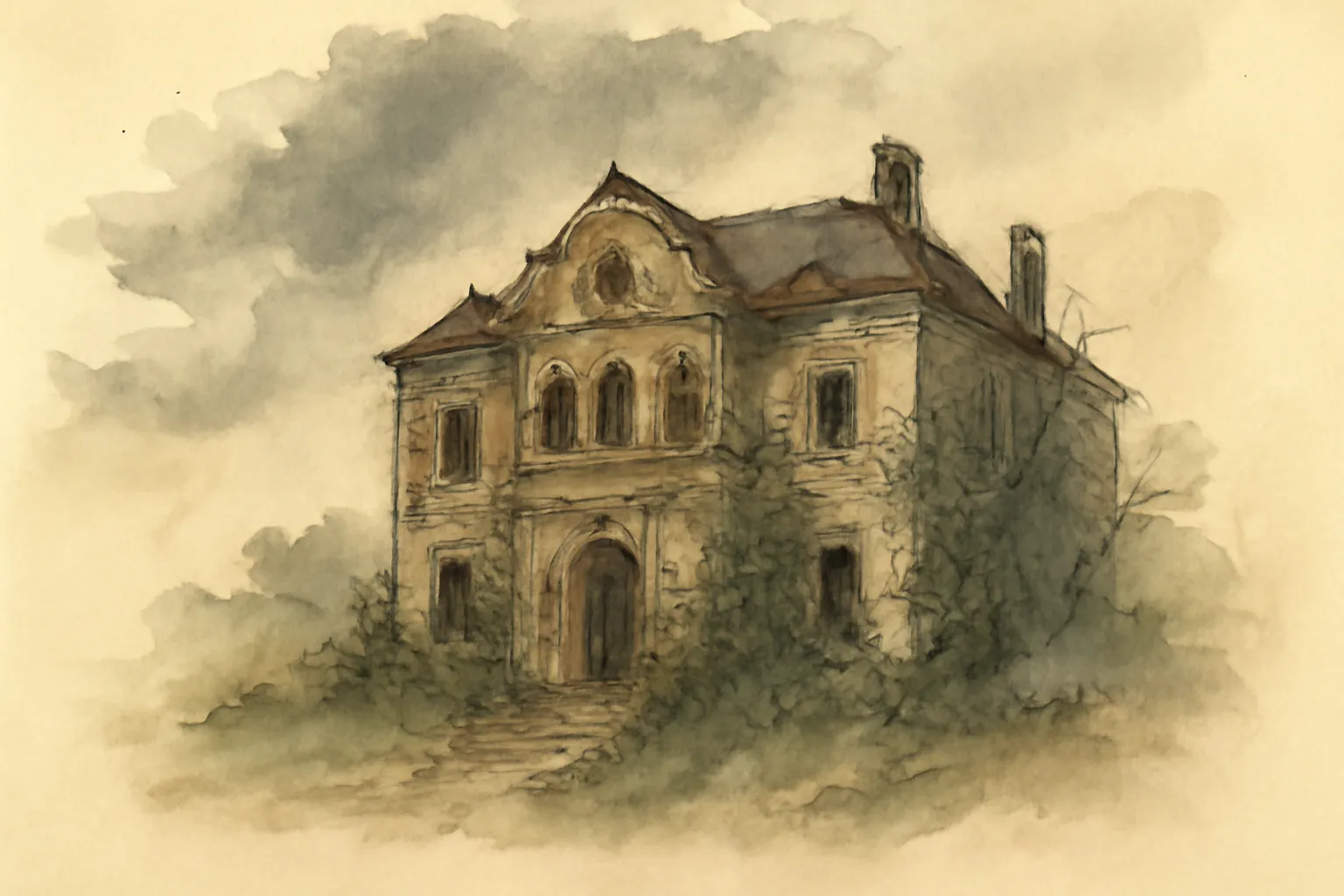
At its core, Buddenbrooks is a study of how families—and the institutions they build—are subject to inevitable cycles of growth and decay. Mann traces four generations of the Buddenbrook family, showing how initial prosperity and ambition gradually give way to fragmentation and decline. The novel suggests that success breeds its own vulnerabilities, as each generation struggles to live up to the achievements and values of their forebears, often at the expense of their own happiness or authenticity.
Mann explores how tradition, while providing stability and identity, can become a stifling force. The Buddenbrooks are bound by expectations—of respectability, duty, and business acumen—which shape their choices and limit their individuality. The tension between personal desire and family obligation is a recurring theme, with characters like Thomas and Tony Buddenbrook sacrificing personal fulfillment for the sake of family honor.
“Was ist das Leben? Ein Ringen und Streben, ein Auf und Nieder, ein Kommen und Gehen.”
“So gehen die Buddenbrooks zugrunde – aus inneren Gründen.”
“Man soll die Feste feiern, wie sie fallen.”