The Quest for Character: What the Story of Socrates and Alcibiades Teaches Us about Our Search for Good Leaders by Massimo Pigliucci — Summary, Key Ideas & Quotes
2022288 pages✦ 3-min Big ideas
Rate it
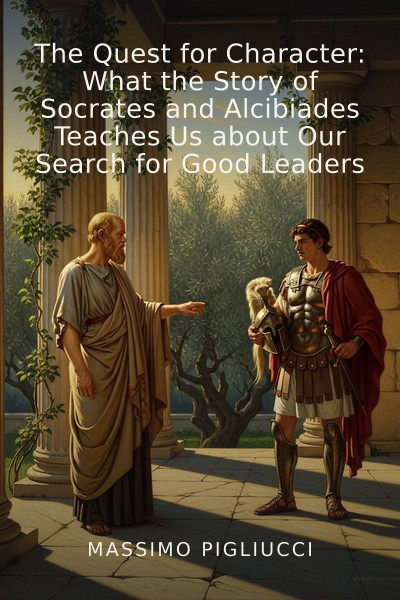
The author of How to Be a Stoic asks what might be philosophy's ultimate question: can we learn to be better people? Is good character something that can be taught? In 430 BCE, Socrates set out to teach the vain, power-seeking Athenian statesman Alcibiades how to be a good person—and failed spectacularly. Alcibiades went on to beguile his city into a hopeless war with Syracuse, and all of Athens paid the price. In The Quest for Character, philosophy professor Massimo Pigliucci tells this famous story and asks what we can learn from it. He blends ancient sources with modern interpretations to give a full picture of the philosophy and cultivation of character, virtue, and personal excellence—what the Greeks called arete. At heart, The Quest for Character isn’t simply about what makes a good leader. Drawing on Socrates as well as his followers among the Stoics, this book gives us lessons perhaps even more crucial: how we can each lead an excellent life.
Pigliucci frames the book around Socrates’ attempt to guide the brilliant but reckless Alcibiades, ultimately asking whether virtue and good character can be taught at all. The historical failure—Alcibiades’ rise and fall—serves as a cautionary tale: even the wisest teacher cannot guarantee a student’s moral transformation. This raises uncomfortable questions about the limits of education, mentorship, and self-improvement. Pigliucci argues that while instruction can provide tools and frameworks, the cultivation of character ultimately depends on personal commitment and the willingness to change.
Drawing from Socratic and Stoic traditions, the book insists that developing character is not a one-time achievement but a continuous, lifelong process. Pigliucci emphasizes the Greek concept of arete—excellence or virtue—as something cultivated through habitual reflection, self-examination, and moral effort. This process is never finished; setbacks and failures are inevitable, but what matters is the ongoing quest to improve oneself.