1.The Limits of Teaching Virtue
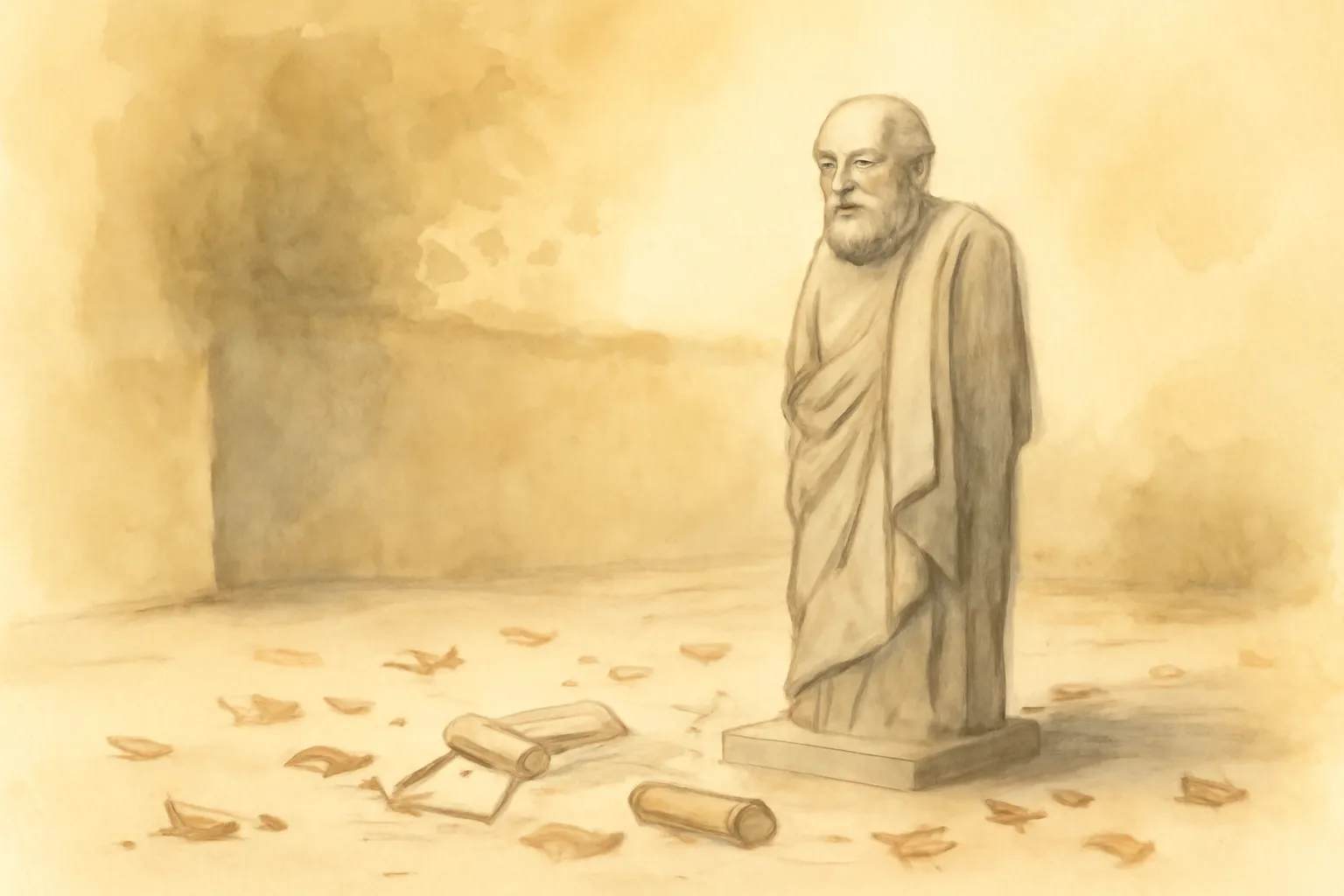
Pigliucci frames the book around Socrates’ attempt to guide the brilliant but reckless Alcibiades, ultimately asking whether virtue and good character can be taught at all. The historical failure—Alcibiades’ rise and fall—serves as a cautionary tale: even the wisest teacher cannot guarantee a student’s moral transformation. This raises uncomfortable questions about the limits of education, mentorship, and self-improvement. Pigliucci argues that while instruction can provide tools and frameworks, the cultivation of character ultimately depends on personal commitment and the willingness to change.
2.Virtue as a Lifelong Practice
Drawing from Socratic and Stoic traditions, the book insists that developing character is not a one-time achievement but a continuous, lifelong process. Pigliucci emphasizes the Greek concept of arete—excellence or virtue—as something cultivated through habitual reflection, self-examination, and moral effort. This process is never finished; setbacks and failures are inevitable, but what matters is the ongoing quest to improve oneself.
3.The Danger of Charisma Without Character
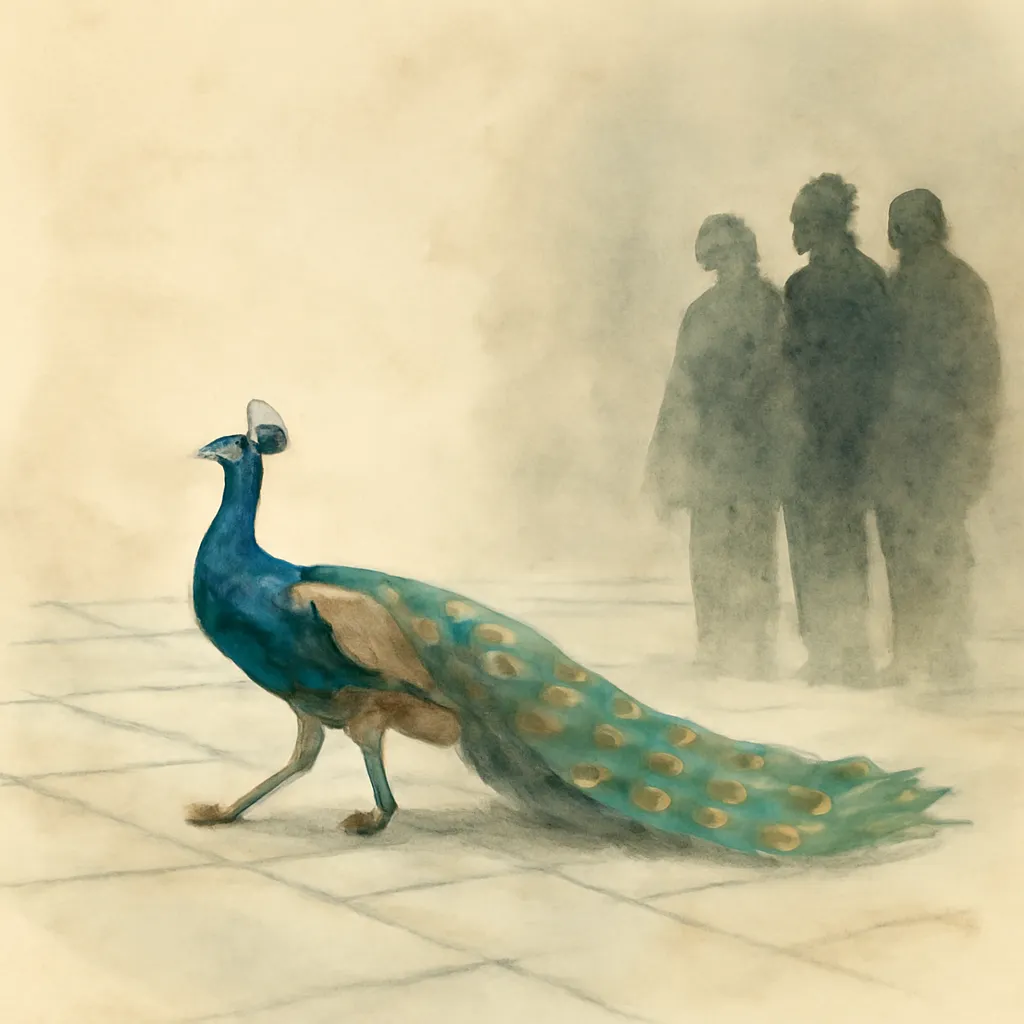
Alcibiades’ story exemplifies the peril when charisma and ambition outpace moral development. Pigliucci warns that societies are often seduced by brilliance, eloquence, and charm, neglecting the deeper question of whether a leader possesses true virtue. The book urges readers to look beyond surface qualities when choosing whom to follow, and to recognize that leadership without character can lead to disaster.
4.Ancient Wisdom for Modern Leadership
Pigliucci bridges ancient philosophy and contemporary concerns, showing how Socratic and Stoic principles remain relevant in evaluating today’s leaders. He discusses practical strategies for cultivating virtues like courage, justice, and temperance, both in ourselves and in those we mentor or elect. The book challenges readers to apply these lessons in their personal and civic lives, making the case that ethical leadership is as urgent now as in ancient Athens.
5.Self-Knowledge as the Foundation of Character
A recurring theme is Socrates’ dictum, 'Know thyself.' Pigliucci argues that honest self-examination is the foundation of any attempt to improve character. Without understanding our own motives, weaknesses, and blind spots, efforts at self-improvement or leadership are likely to fail. The book offers practical exercises for cultivating self-awareness, echoing both Socratic dialogue and Stoic reflection.
6.The Role—and Limits—of Philosophy
While philosophy provides powerful tools for ethical reflection, Pigliucci is clear-eyed about its limitations. Philosophy can guide, inspire, and clarify, but it cannot substitute for personal effort or guarantee moral success. The book thus advocates for a humble, pragmatic approach: philosophy as a guide for living, not a cure-all.