
Wealth · Optimism · Reason
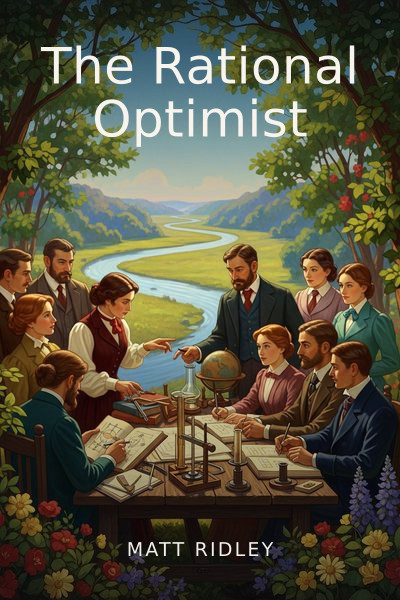
The Rational Optimist by Matt Ridley — Summary, Key Ideas & Quotes
20101 pages✦ 3-min Big ideas★ 5.0 (1)
Rate it
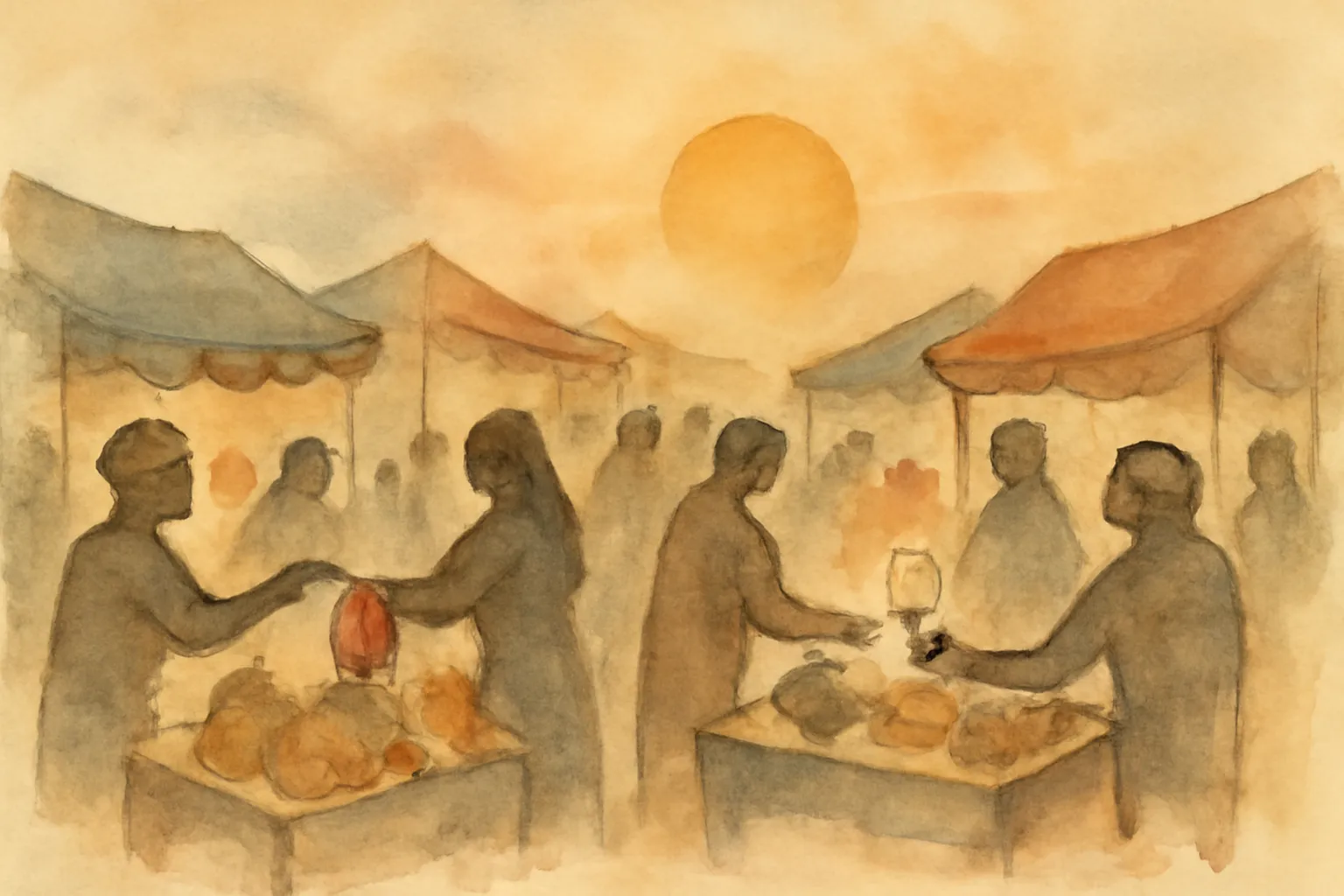
Ridley contends that the engine of human progress is our unique capacity for exchange—of goods, services, and especially ideas. Unlike other species, humans specialize and trade, creating a 'collective brain' that accelerates innovation. This process, he argues, has led to rising living standards, longer lives, and greater opportunities, even as populations grow. The more people interact and share, the more solutions and prosperity emerge.
A core argument is that doom-laden narratives about civilization’s decline are not supported by historical or contemporary evidence. Ridley marshals data showing that, despite setbacks and inequalities, global poverty, disease, and violence have steadily decreased over centuries. He challenges readers to recognize cognitive biases and media incentives that amplify bad news, obscuring the broader arc of improvement.
“Wherever the human race prospers, exchange and specialization are at the heart of the story.”
“The world has never been a better place to live in and it will keep on getting better.”


