
Middle ages · Social change · Europe, history, 476-1492
Medieval Europe by Chris Wickham — Summary, Key Ideas & Quotes
2016352 pages✦ 3-min Big ideas
Rate it
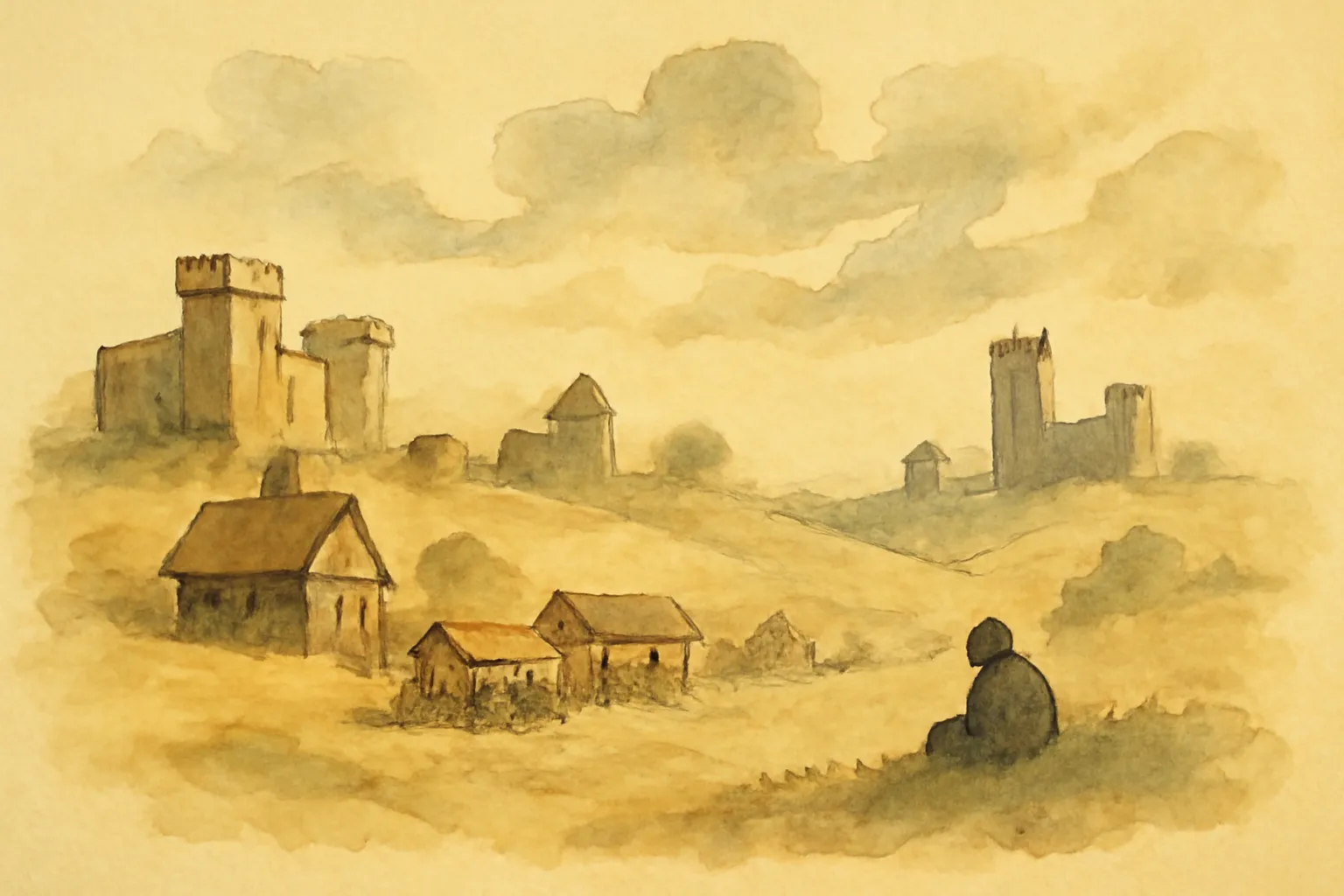
Wickham dismantles the outdated notion that the Middle Ages were simply a period of decline after Rome’s fall. Instead, he demonstrates that the era was marked by dynamic change, innovation, and adaptation. By examining political, social, and economic developments across Europe, Wickham argues that the medieval period was a time of experimentation and transformation, not just stagnation or regression.
Rather than presenting a monolithic Europe, Wickham emphasizes the continent’s diversity. He explores how different regions—such as Byzantium, the Islamic world in Spain, and the various kingdoms of Western Europe—developed distinct systems of governance, law, and culture. This fragmentation, he argues, was both a challenge and a source of vitality, as it fostered local innovation and resilience.
