

Fiction · Children of the rich in fiction · Mothers and sons
The Magnificent Ambersons by Booth Tarkington — Summary, Key Ideas & Quotes
1917276 pages✦ 3-min Big ideas★ 4.0 (1)
Rate it
Major Amberson had "made a fortune" in 1878, when other people were losing fortunes, and the magnificence of the Ambersons began then. Magnificence, like the size of a fortune, is always comparative, as even Magnificent Lorenzo may now perceive, if he has happened to haunt New York in 1916; and the Ambersons were magnificent in their day and place. Their splendour lasted throughout all the years that saw their Midland town spread and darken into a city, but reached its topmost during the period when every prosperous family with children kept a Newfoundland dog.
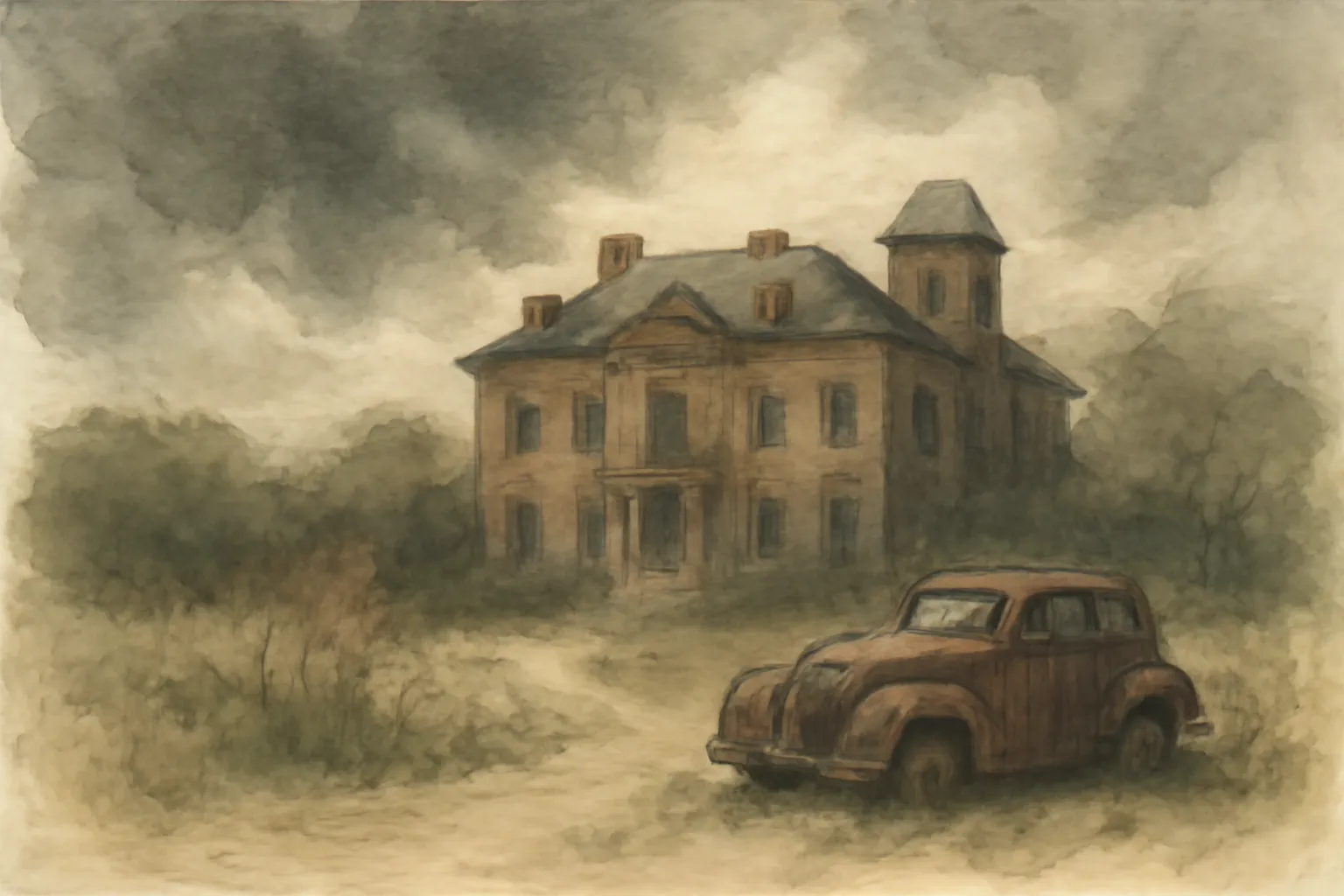
The Ambersons embody the old money elite of a Midwestern town, their fortune and status built in the post-Civil War boom. Tarkington uses their story to illustrate how American aristocracies are inherently unstable—rooted in pride and tradition, yet vulnerable to social and economic change. The family's decline mirrors the broader fading of inherited privilege in the face of new wealth and democratic ideals, suggesting that no social order is permanent.
Industrialization is almost a character in itself, transforming the Ambersons’ town from a genteel community into a bustling, impersonal city. Tarkington’s depiction of technological change—especially the rise of the automobile—shows both its promise and its costs. The novel questions whether progress is always beneficial, highlighting how it can erode the beauty, intimacy, and stability of earlier ways of life.
“There aren’t any old times. When times are gone, they’re not old, they’re dead.”
“The magnificence of the Ambersons began in 1873.”
“Youth cannot imagine romance apart from youth.”