1.The Rise and Fall of American Aristocracy
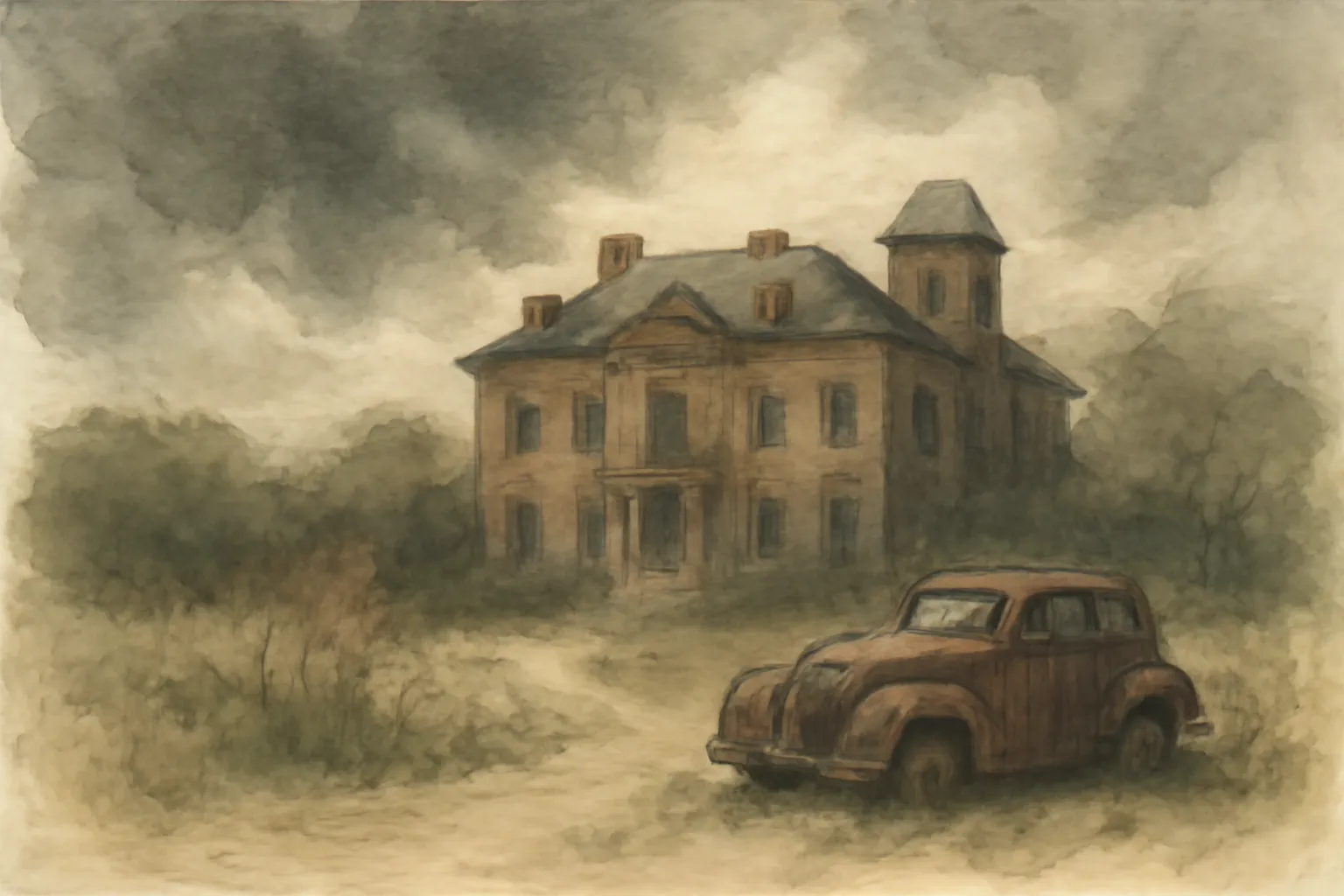
The Ambersons embody the old money elite of a Midwestern town, their fortune and status built in the post-Civil War boom. Tarkington uses their story to illustrate how American aristocracies are inherently unstable—rooted in pride and tradition, yet vulnerable to social and economic change. The family's decline mirrors the broader fading of inherited privilege in the face of new wealth and democratic ideals, suggesting that no social order is permanent.
2.The Relentless March of Progress
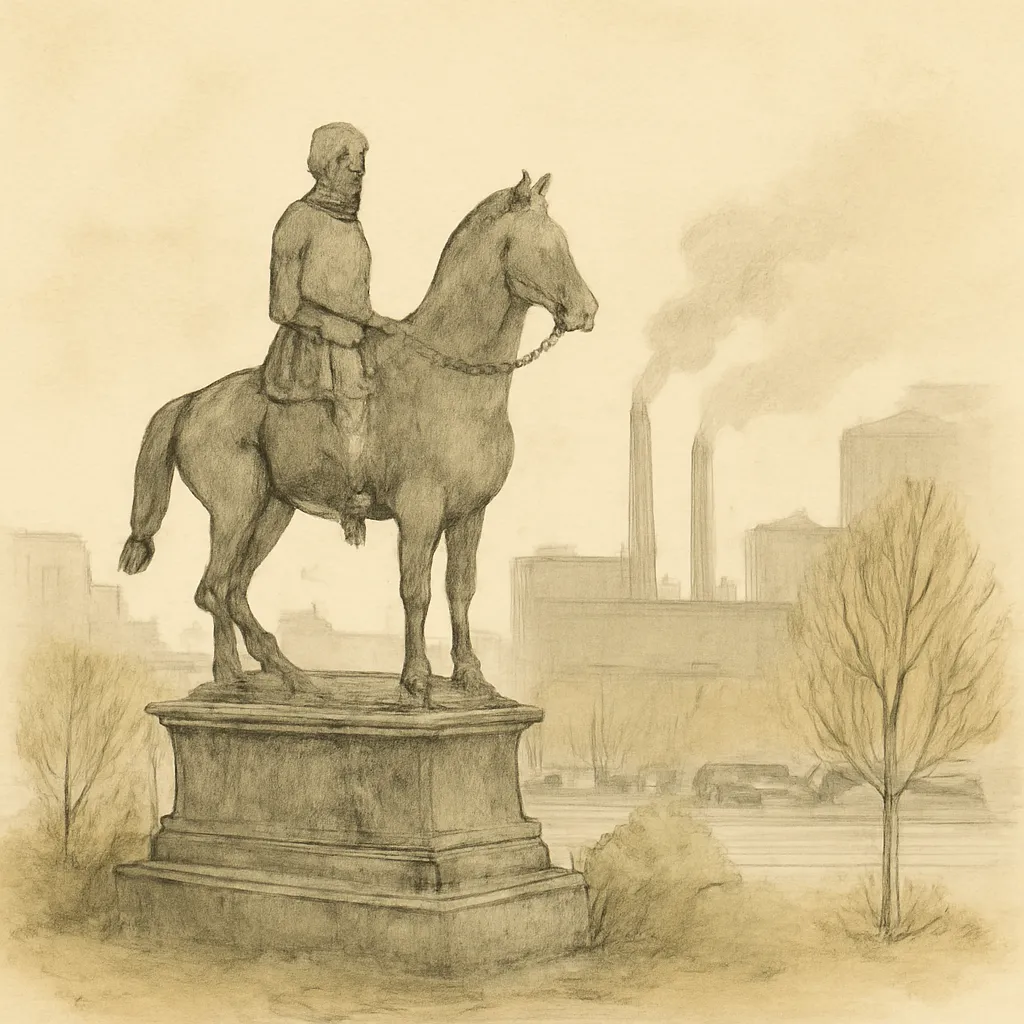
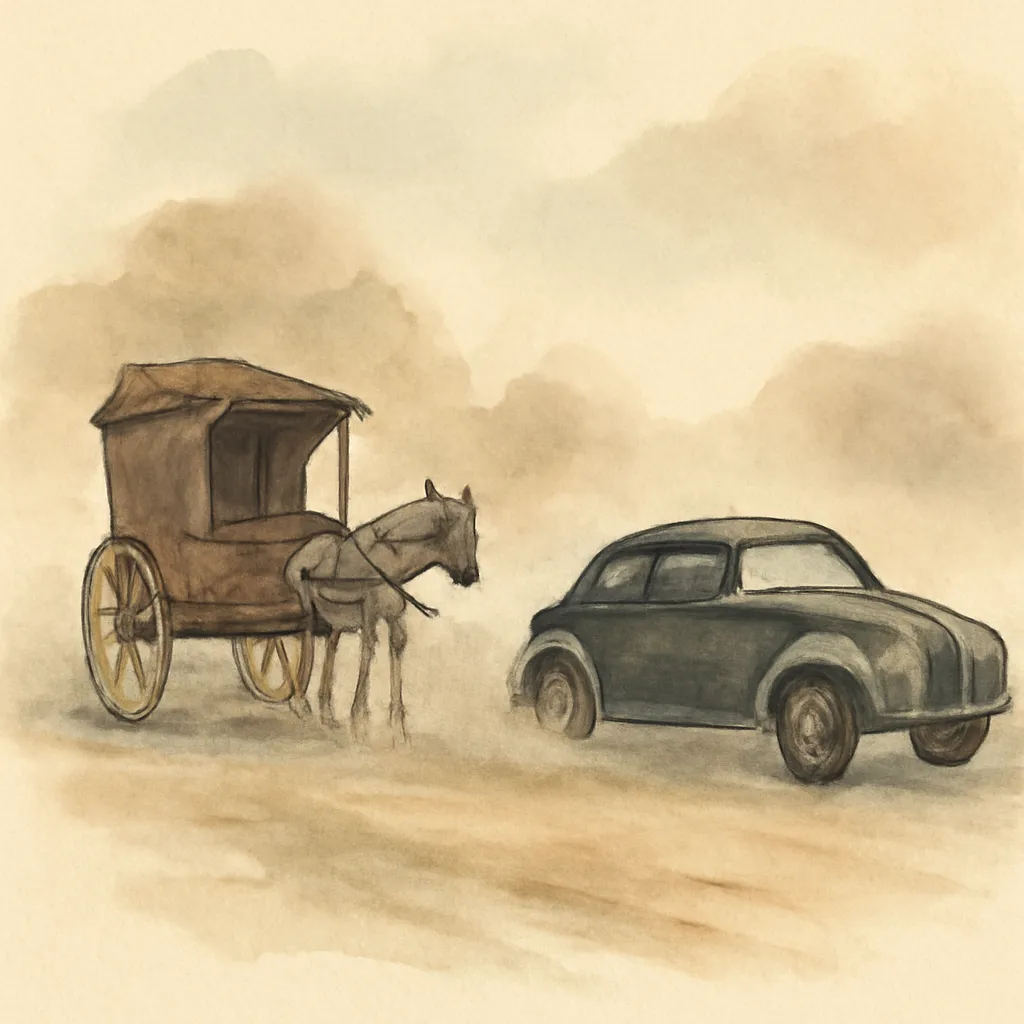
Industrialization is almost a character in itself, transforming the Ambersons’ town from a genteel community into a bustling, impersonal city. Tarkington’s depiction of technological change—especially the rise of the automobile—shows both its promise and its costs. The novel questions whether progress is always beneficial, highlighting how it can erode the beauty, intimacy, and stability of earlier ways of life.
3.Pride and Its Consequences
At the heart of the novel is George Amberson Minafer, whose arrogance and sense of entitlement blind him to the shifting world around him. His pride alienates those who care about him and prevents him from adapting to change. Tarkington offers a nuanced portrait of how personal flaws, especially pride, can lead to downfall—not just for individuals, but for entire families.
4.Family, Love, and Missed Opportunities
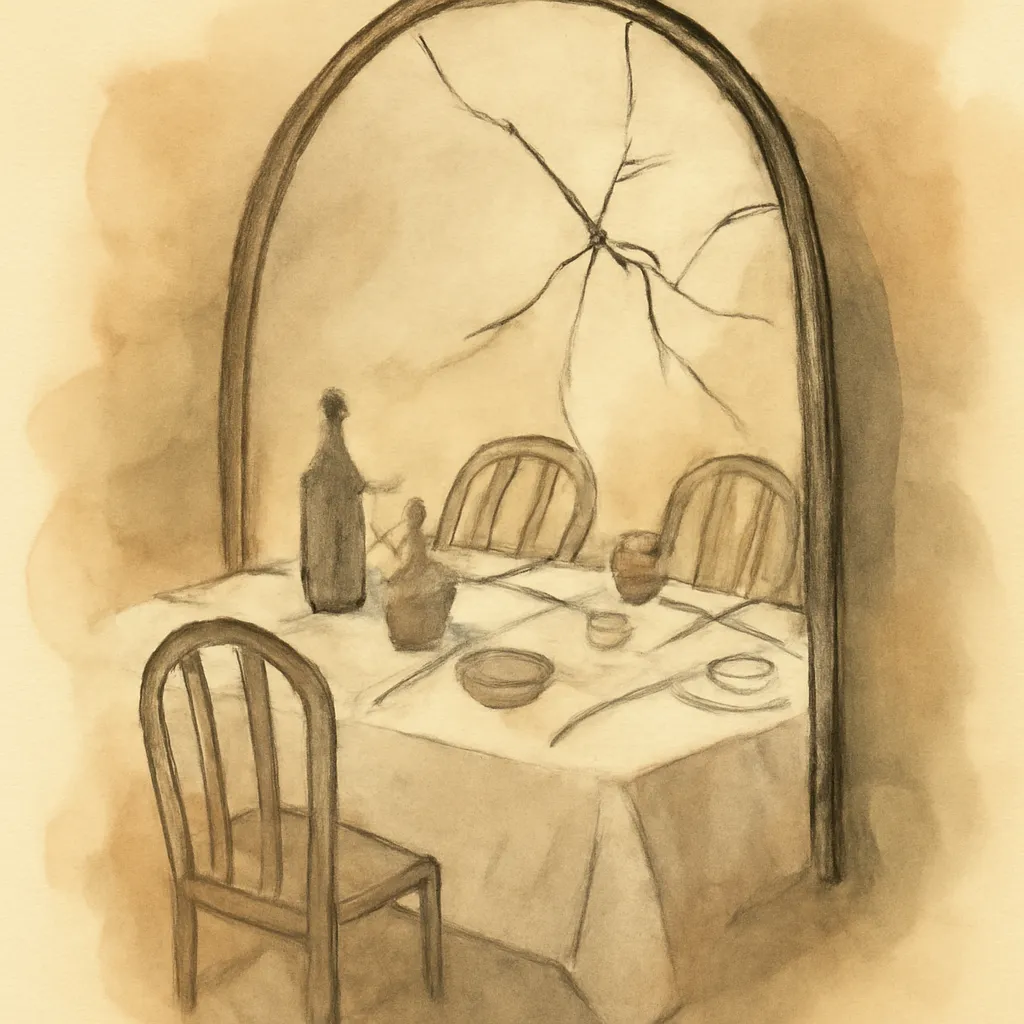
The relationships among the Ambersons are marked by affection, misunderstanding, and regret. The unfulfilled romance between Isabel Amberson and Eugene Morgan, and George’s interference in it, underscores how family loyalty can become possessive and destructive. Tarkington explores how love is shaped—and often thwarted—by social expectations and personal stubbornness.
5.Nostalgia and the Pain of Change
The Magnificent Ambersons is suffused with nostalgia for a lost era. Tarkington’s elegiac tone invites readers to mourn the passing of old certainties, but he also warns against clinging to the past. The novel suggests that while change can be painful, refusing to adapt is even more dangerous, leaving individuals stranded as the world moves on.
6.Satire and Social Critique
Tarkington’s sharp, sometimes satirical prose pokes fun at social pretensions, small-town snobbery, and the follies of the upper class. He exposes the emptiness beneath the Ambersons’ grandeur and the ways in which social status can become a hollow performance, ultimately unable to withstand the pressures of a changing society.