
Ethnology · Cultural pluralism · Acculturation
The Romans: From Village to Empire by Mary Taliaferro Boatwright — Summary, Key Ideas & Quotes
2012241 pages✦ 3-min Big ideas
Rate it
"In this highly-illustrated book, Mary T. Boatwright examines five of the peoples incorporated into the Roman world from the Republican through the Imperial periods: northerners, Greeks, Egyptians, Jews, and Christians. She explores over time the tension between assimilation and distinctiveness in the Roman world, as well as the changes effected in Rome by its multicultural nature. Underlining the fundamental importance of diversity in Rome's self-identity, the book explores Roman tolerance of difference and community as the Romans expanded and consolidated their power and incorporated other peoples into their empire. The peoples of the Roman world provides an accessible account of Rome's social, cultural, religious, and political history, exploring the rich literary, documentary, and visual evidence for these peoples and Rome's reactions to them"--Provided by publisher.
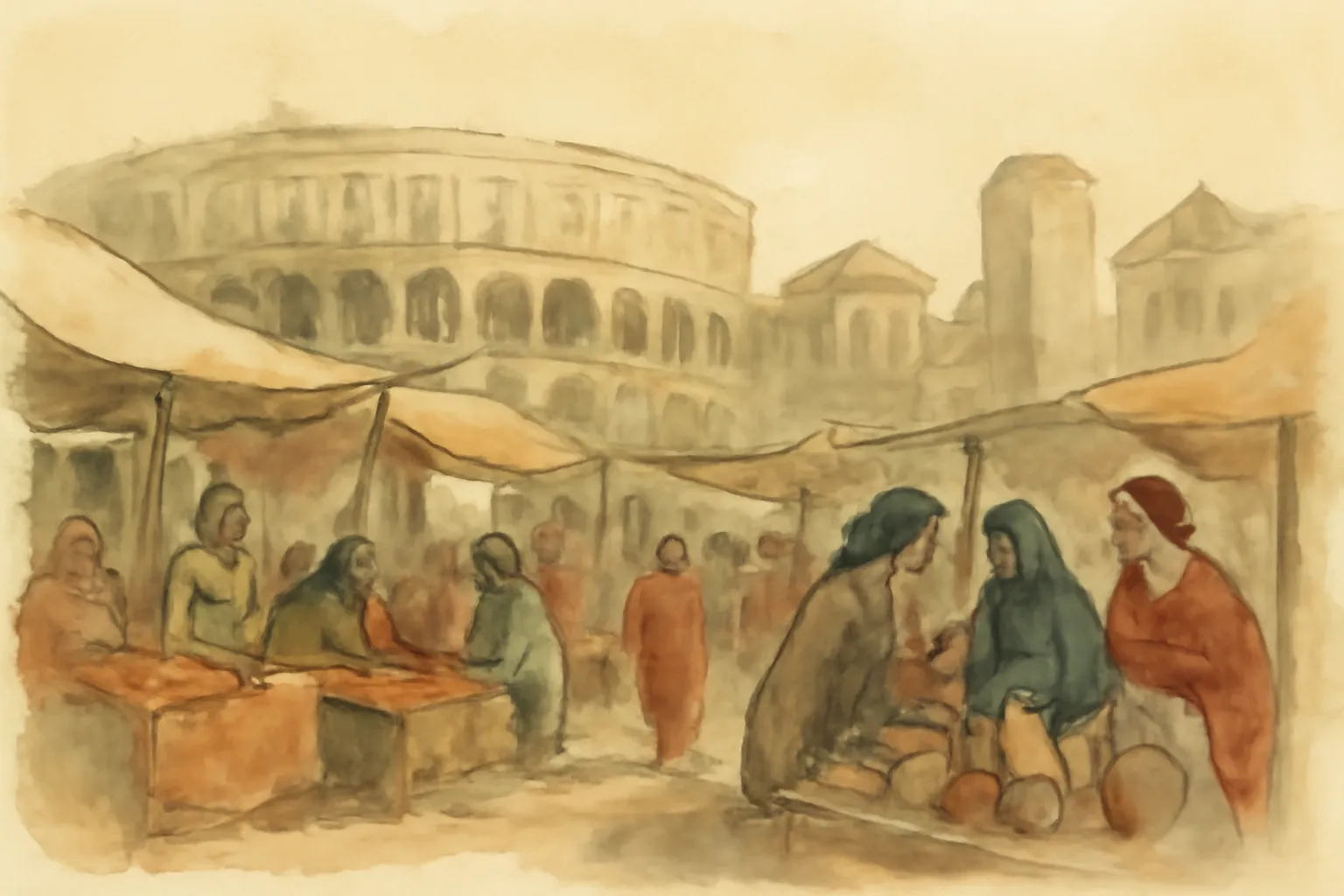
Boatwright emphasizes that Rome’s identity was never monolithic. From its earliest days, the city and later the empire were shaped by contact and integration with a wide array of peoples—northerners, Greeks, Egyptians, Jews, and Christians. The book explores how this diversity was not just a byproduct of conquest, but became central to Roman self-understanding and governance. Rome’s ability to absorb, adapt, and sometimes resist foreign influences was crucial to its longevity.
A recurring theme is the tension between assimilation and the maintenance of distinct identities. Boatwright shows how some groups eagerly adopted Roman customs, language, and citizenship, while others clung to their traditions or even resisted Romanization. The author explores how Rome managed these differences—sometimes through tolerance and inclusion, other times through repression or violence—and how these policies evolved over time.