1.Diversity as a Defining Feature of Rome
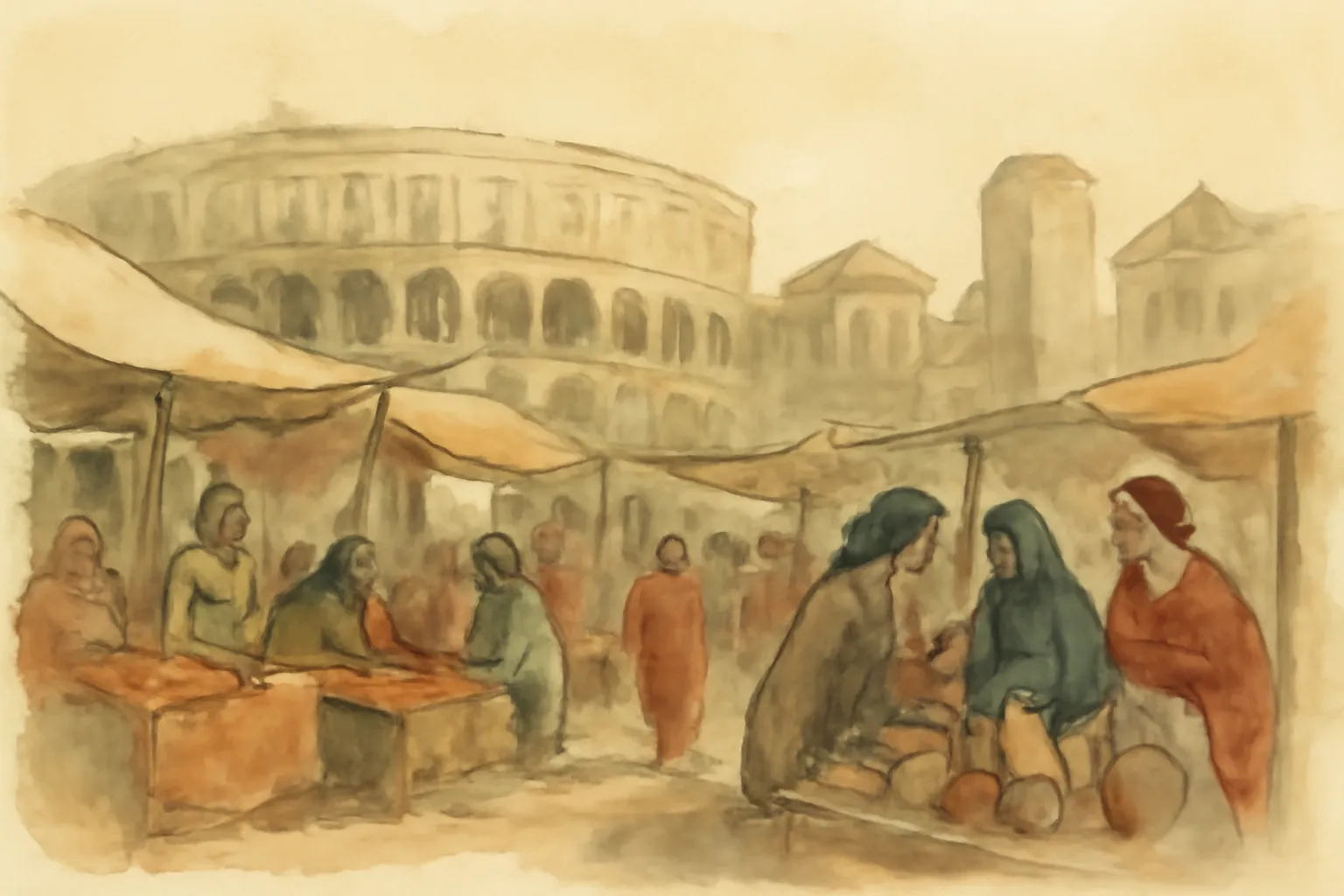
Boatwright emphasizes that Rome’s identity was never monolithic. From its earliest days, the city and later the empire were shaped by contact and integration with a wide array of peoples—northerners, Greeks, Egyptians, Jews, and Christians. The book explores how this diversity was not just a byproduct of conquest, but became central to Roman self-understanding and governance. Rome’s ability to absorb, adapt, and sometimes resist foreign influences was crucial to its longevity.
2.Assimilation vs. Distinctiveness
A recurring theme is the tension between assimilation and the maintenance of distinct identities. Boatwright shows how some groups eagerly adopted Roman customs, language, and citizenship, while others clung to their traditions or even resisted Romanization. The author explores how Rome managed these differences—sometimes through tolerance and inclusion, other times through repression or violence—and how these policies evolved over time.
3.The Impact of Multiculturalism on Roman Society
The book delves into the ways that Rome’s multicultural makeup influenced everything from religion and art to politics and daily life. Boatwright draws on literary, documentary, and visual evidence to illustrate how the presence of Greeks, Egyptians, Jews, and others enriched Roman culture, introduced new ideas, and occasionally sparked conflict. The result is a nuanced portrait of an empire constantly negotiating its own boundaries and values.
4.Religion and Identity in the Empire
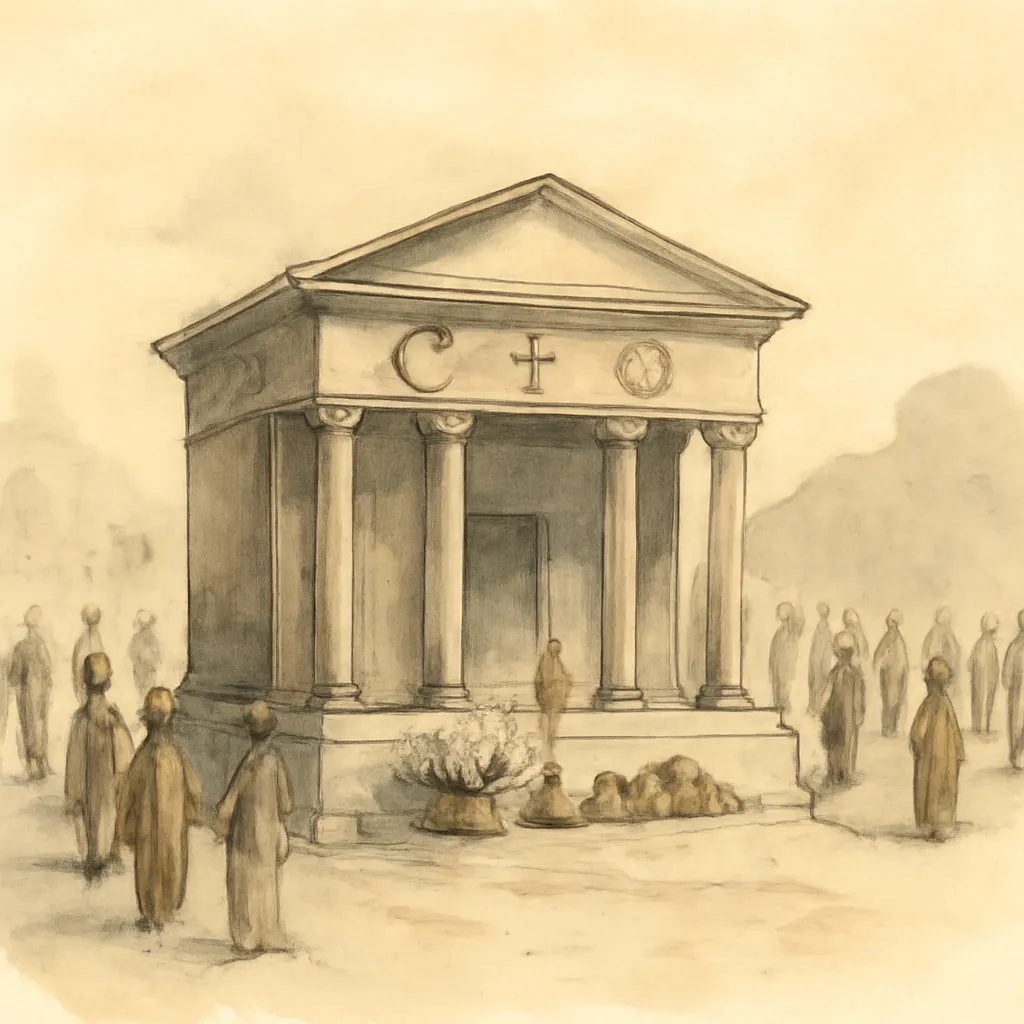
Boatwright pays particular attention to religious diversity, highlighting how the integration of foreign cults and the rise of Christianity challenged traditional Roman religious practices. The book examines both the pragmatic and ideological responses of Roman authorities to new faiths, and how religious pluralism became a defining, and sometimes destabilizing, feature of the empire.
5.The Limits and Costs of Roman Tolerance
While Rome is often praised for its tolerance, Boatwright is careful to show its limits. The book details episodes of persecution, forced assimilation, and cultural erasure, especially when Rome’s power was threatened. This critical perspective helps readers appreciate both the achievements and the contradictions of Roman imperial policy.
6.Sources and Evidence: Seeing Rome Through Many Eyes
A strength of the book is its use of diverse sources—literary texts, inscriptions, art, and archaeology—to reconstruct the experiences of both Romans and subject peoples. Boatwright encourages readers to recognize the partiality and complexity of these sources, reminding us that our understanding of Rome is itself shaped by the voices that survived.