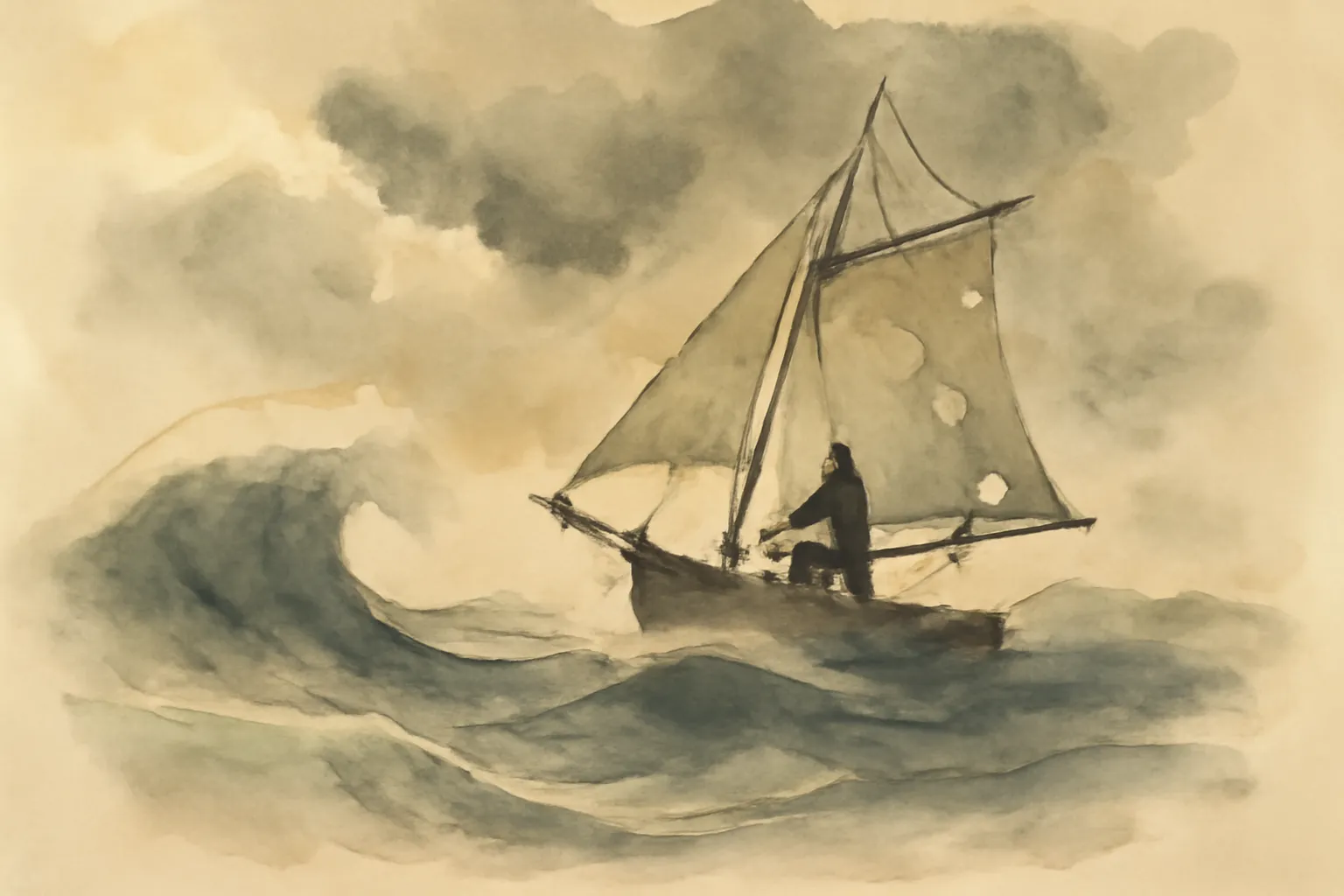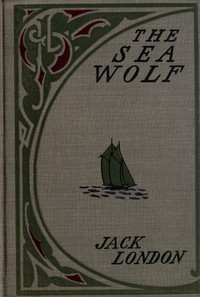

A pampered gentleman is plucked from the sea and pressed into service aboard a brutal seal-hunting schooner ruled by the magnetic, ruthless Captain Wolf Larsen — a savage study of strength, will, and survival.
Read full overviewShow less›
Jack London's The Sea-Wolf is a gripping tale of adventure and existential struggle, set against the backdrop of the unforgiving sea. The novel follows Humphrey Van Weyden, a literary critic who finds himself aboard the Ghost, a sealing schooner captained by the ruthless Wolf Larsen. Through Van Weyden's harrowing experiences, readers are drawn into a world where the veneer of civilization is stripped away, exposing the raw instincts and moral dilemmas that define humanity. As Van Weyden grapples with his own identity and the tyrannical nature of Larsen, the narrative delves into themes of power, isolation, and the quest for meaning in a chaotic universe. This exploration not only serves as a thrilling adventure but also questions the very essence of what it means to be human.
The Sea-Wolf is a compelling exploration of the complexities of human nature, power, and survival within the unforgiving realm of the sea. Through the character of Wolf Larsen and the experiences of Van Weyden, London delves into the philosophical questions that define existence, challenging readers to confront the dualities within themselves. The novel serves as a reminder that while civilization may provide a veneer of order, the primal instincts that lie beneath can emerge in the face of adversity. Ultimately, The Sea-Wolf is not just a thrilling adventure; it is a profound meditation on the struggle for identity and meaning in a chaotic world, urging us to reflect on our own humanity and the forces that shape it.
- 1The Illusion of Civilization
- 2Wolf Larsen: The Embodiment of Primal Instincts
- 3The Struggle for Survival
- 4Isolation and Its Effects
- 5The Nature of Power and Control
Notable quotes
“I seemed swinging in a mighty rhythm through orbit vastness.”
“The peculiar knowledge of the pilot and captain sufficed for many thousands of people who knew no more of the sea and navigation than I knew.”
“I have seen him a score of times, at table, insulting this hunter or that, with cool and level eyes.”
A glimpse inside

The Sea-Wolf begins with Humphrey Van Weyden, who represents the civilized man, comfortable in his intellectual pursuits and insulated from the harsh realities of life at… Read moreThe Sea-Wolf begins with Humphrey Van Weyden, who represents the civilized man, comfortable in his intellectual pursuits and insulated from the harsh realities of life at sea. His encounter with Wolf Larsen, the brutal captain of the Ghost, shatters this illusion, forcing him into a world where physical strength and survival instincts reign supreme. Van Weyden's initial comfort is contrasted sharply with the savage environment of the Ghost, where the crew members are not just sailors but hunters driven by primal urges. This stark juxtaposition raises questions about the thin veneer of civilization and how quickly it can erode when faced with adversity. The narrative suggests that beneath the surface of cultured society lies a more primitive human nature, capable of both great cruelty and profound vulnerability. Show less
Wolf Larsen is not just a tyrannical captain; he embodies the raw, unfiltered aspects of human nature that London explores throughout the novel. Read moreWolf Larsen is not just a tyrannical captain; he embodies the raw, unfiltered aspects of human nature that London explores throughout the novel. His character is a complex amalgamation of intellect and brute force, a man who rejects societal norms and lives by his own ruthless principles. Larsen's philosophical musings reveal a deep-seated nihilism, suggesting that life is a struggle for power and dominance. He often engages in intellectual debates with Van Weyden, showcasing his sharp mind while simultaneously demonstrating his capacity for violence and manipulation. This duality makes him a fascinating antagonist, as he challenges Van Weyden to confront his own beliefs and limitations. Through Larsen, London critiques the idea of the 'noble savage,' suggesting that while strength may rule the natural world, it does not equate to moral superiority. Show less
Read the full text — free
About the author
Jack London has 3 works free to read on Lumina, including The Call of the Wild, White Fang.
All 3 books by Jack London →Frequently asked
Worlds to get lost in
Take Lumina everywhere
Read offline, listen to AI summaries, speed-read, and sync your progress across devices — free on iPhone.
Download for iPhone