1.The Conflict Between Civilization and Savagery

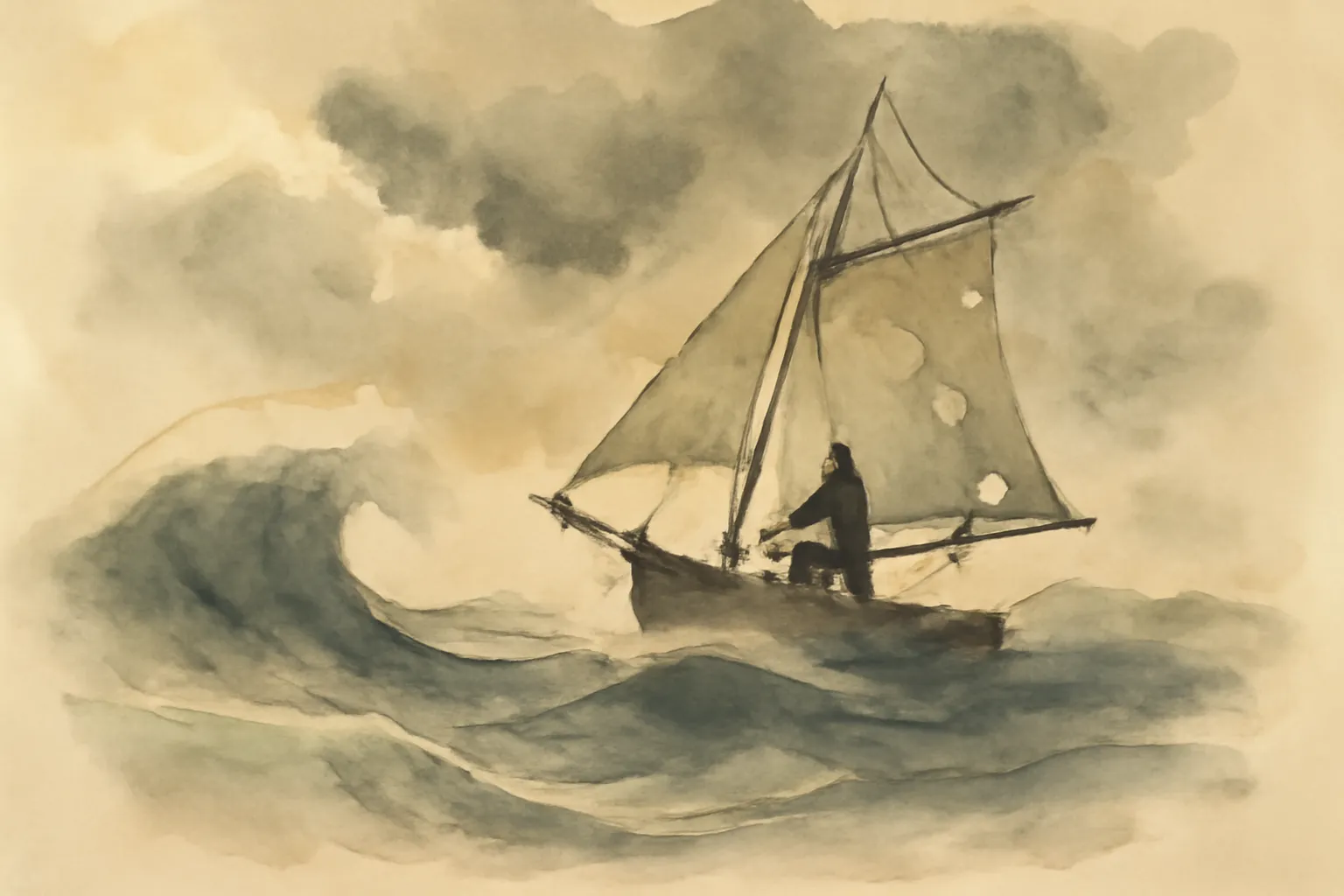
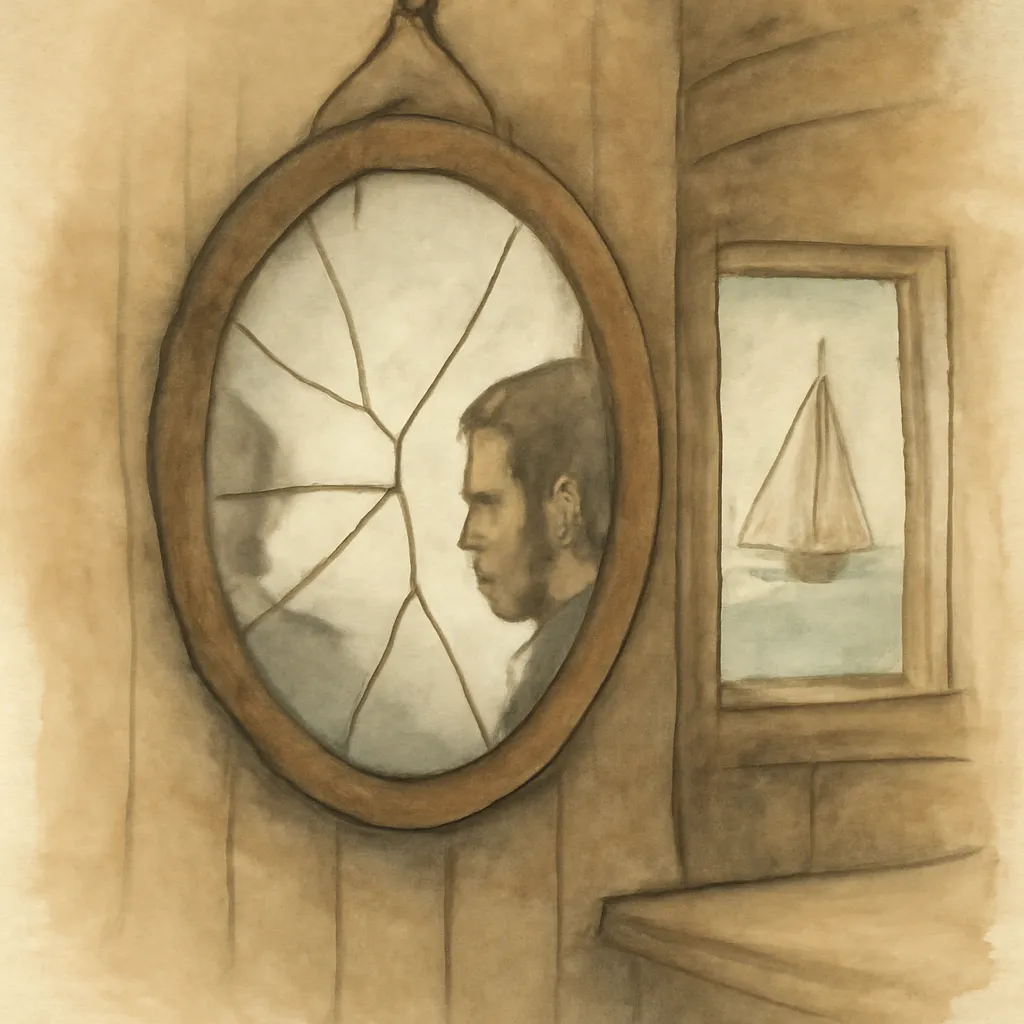
From the very beginning, The Sea-Wolf juxtaposes the civilized world of Humphrey Van Weyden with the savage reality of life at sea aboard the Ghost. Van Weyden, a man of intellect and refinement, is unprepared for the brutality and lawlessness that he encounters aboard the ship. He initially finds himself longing for the comforts of civilization even while he is forced to confront the harshness of his new surroundings. Wolf Larsen, the captain, represents a primal force that challenges Van Weyden’s beliefs about humanity and society. As Van Weyden grapples with his situation, he realizes that the veneer of civilization is thin and can easily be stripped away. The novel explores how extreme circumstances can reveal the true nature of individuals, laying bare their instincts for survival, dominance, and moral ambiguity. This clash serves as a backdrop to the philosophical debates that unfold, questioning whether civilization is a natural state for humanity or merely a temporary construct.
2.Wolf Larsen: The Archetype of the Overman
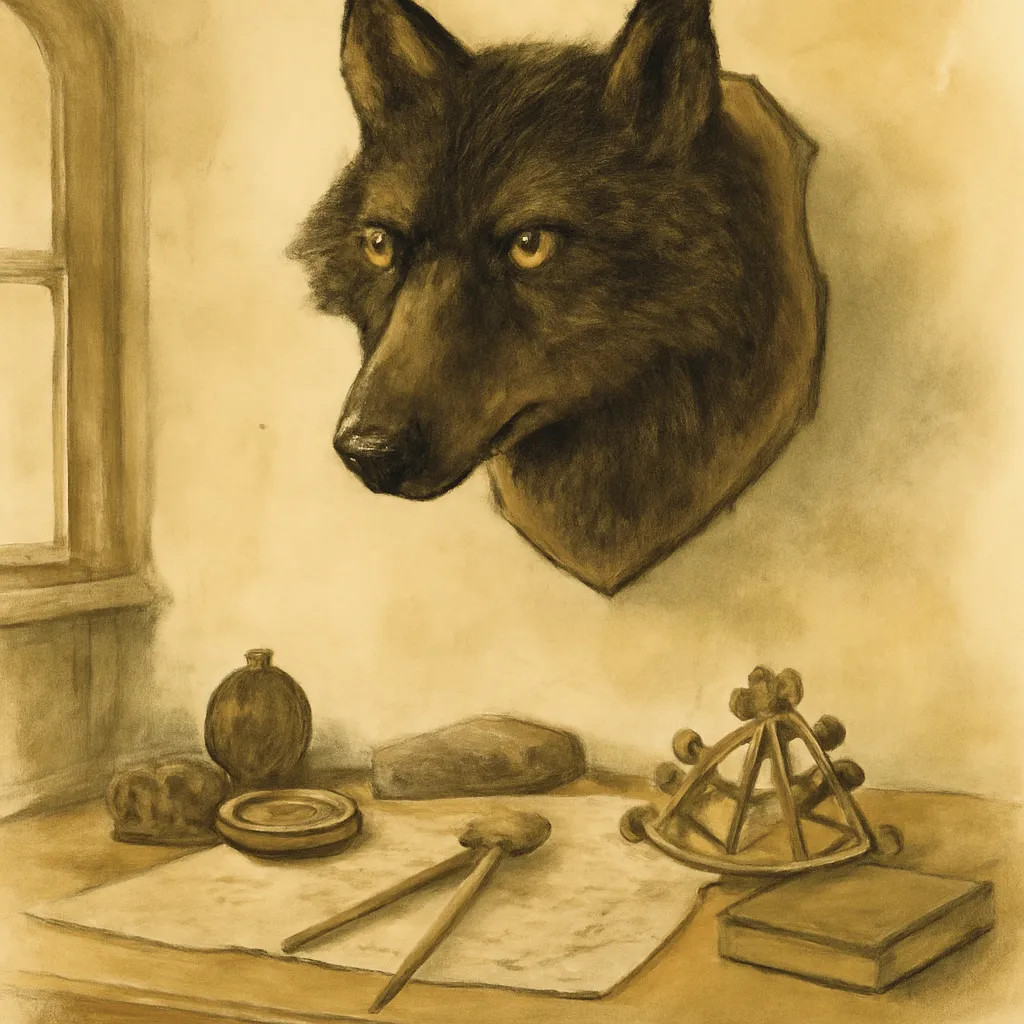
Wolf Larsen is portrayed as a Nietzschean Overman, a figure who transcends traditional morality and social norms. His physical prowess and intellectual strength make him a formidable presence aboard the Ghost, embodying a raw, unfettered approach to life. Through his dialogues, he articulates a philosophy grounded in materialism and survival of the fittest, which starkly contrasts with Van Weyden's idealism and literary background. Larsen's worldview is shaped by a harsh reality where strength reigns supreme, and he often challenges Van Weyden's beliefs, pushing him to confront uncomfortable truths about existence and power. The dynamic between Larsen and Van Weyden becomes a battleground for competing ideas, leading Van Weyden to question the essence of humanity and the nature of freedom. This philosophical clash is central to the narrative, as it pushes both characters toward profound realizations about themselves and their beliefs.
3.The Nature of Power and Control
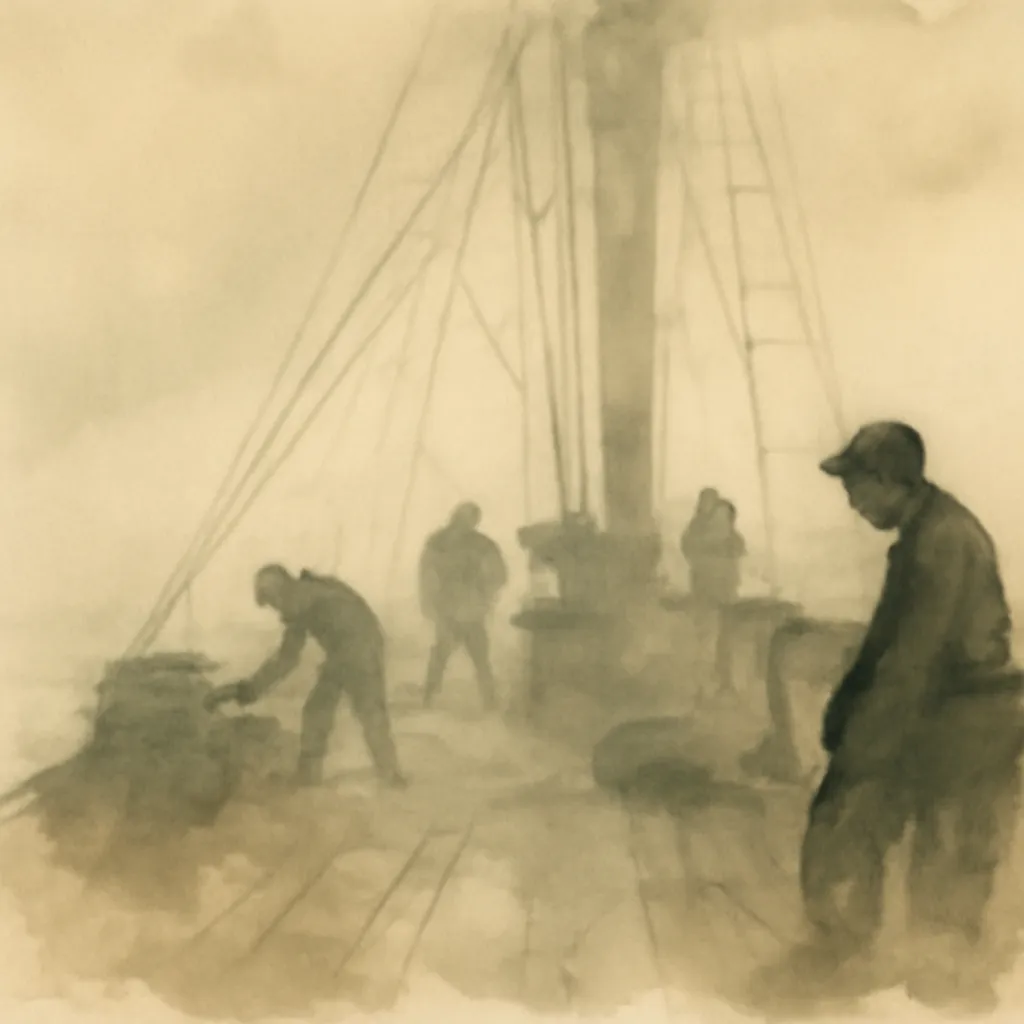
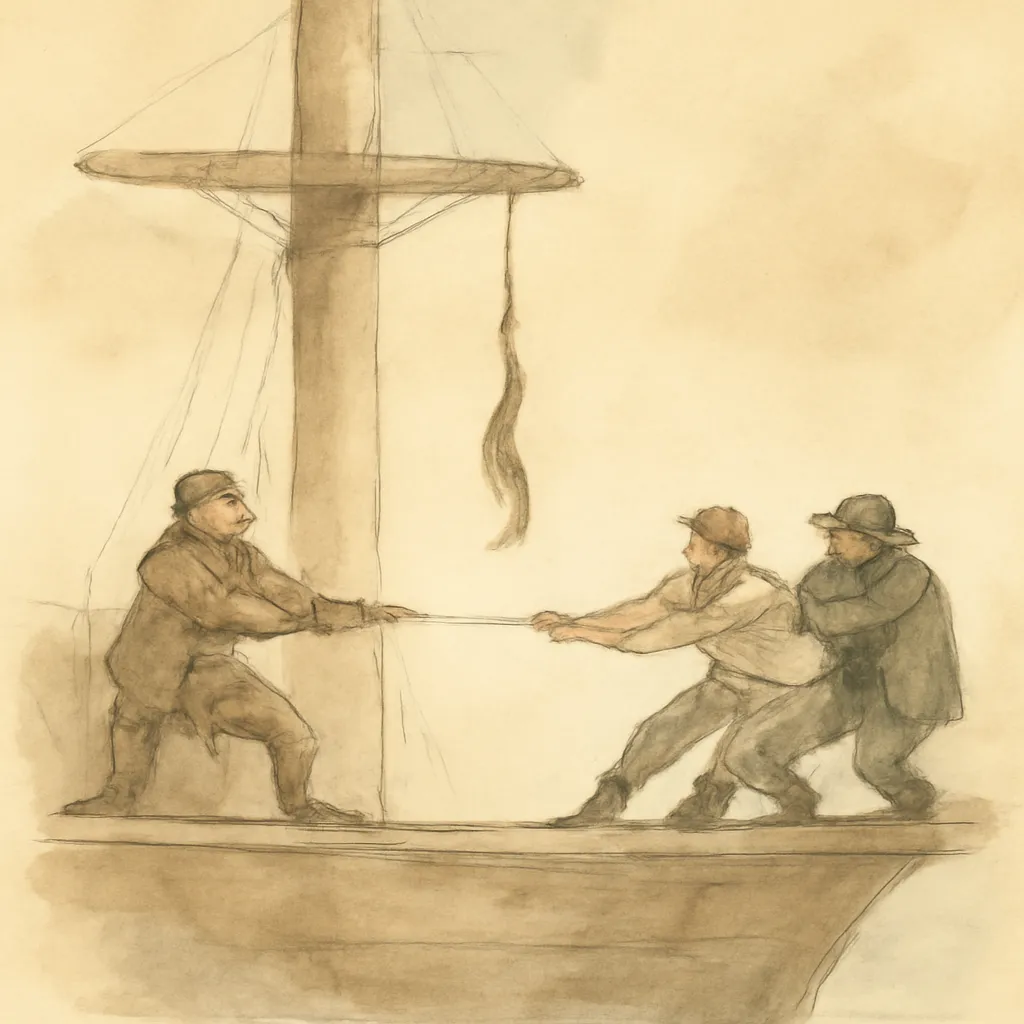
Power dynamics play a crucial role in The Sea-Wolf, particularly in the relationship between Wolf Larsen and his crew. Larsen's authoritarian control creates a climate of fear and submission, yet it also fosters a sense of camaraderie among the crew, who bond over their shared struggles against their tyrannical captain. The novel examines how power can corrupt and the lengths individuals will go to assert dominance over one another. Van Weyden's initial position as a passive observer evolves as he learns to navigate the treacherous social terrain of the Ghost, ultimately wrestling with his own desires for power and autonomy. The interplay of authority and rebellion is a constant theme, highlighting the complexities of human relationships in extreme circumstances. Characters are often forced to make moral choices in the face of oppression, revealing the inherent struggle for dignity and respect.
4.Survival and the Instinctual Self
Survival is a central theme in The Sea-Wolf, as characters are forced to confront their primal instincts in the face of danger. The harsh realities of life at sea strip away the layers of civility, revealing the raw, instinctual selves of the crew. Van Weyden's transformation from a sheltered intellectual to a man capable of physical endurance and mental resilience underscores the novel's exploration of human adaptability. As he faces the brutal conditions aboard the Ghost, he learns to harness his instincts for survival, shedding his previous identity in the process. This evolution speaks to the broader human experience, suggesting that adversity can awaken latent strengths and capabilities. The development of Van Weyden’s character illustrates how individuals often rise to meet the demands of their circumstances, rediscovering abilities they never knew they possessed.
5.The Role of Nature in Human Experience
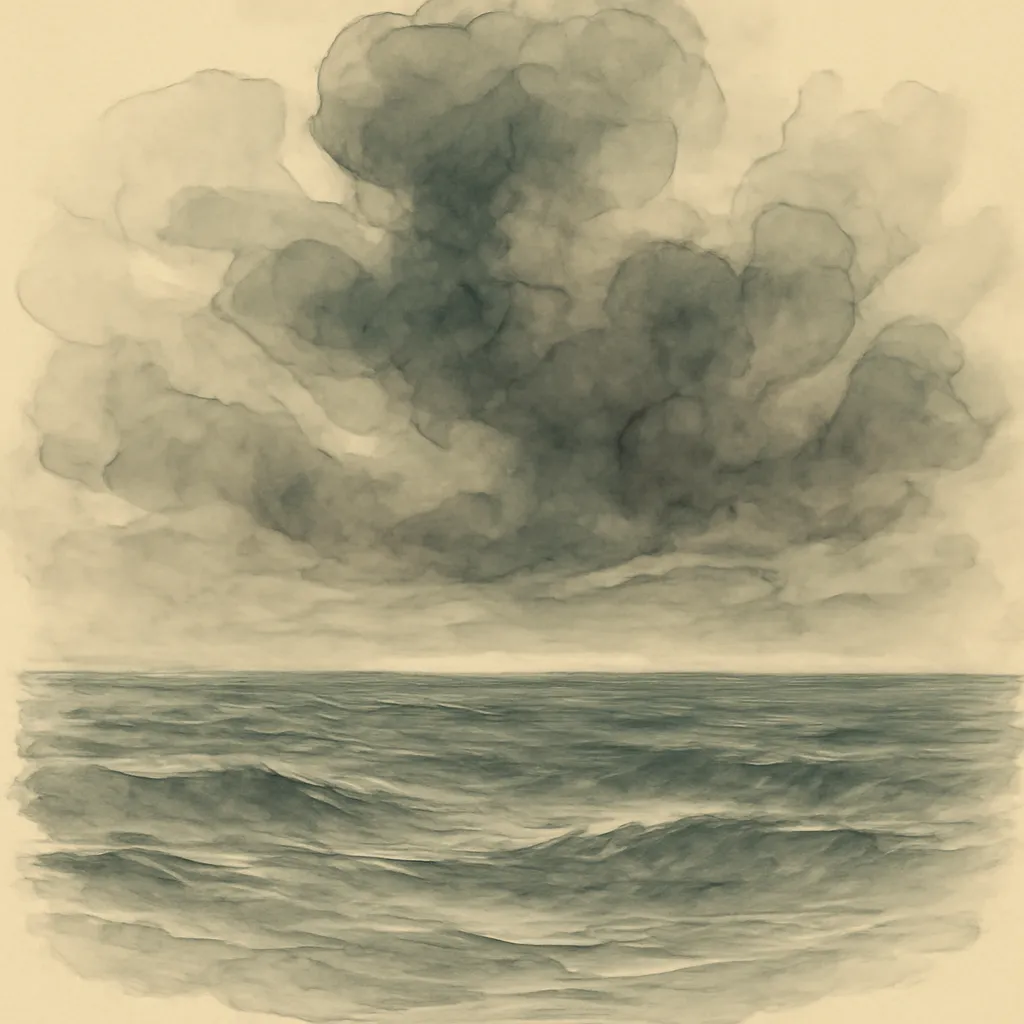
Nature serves as both a backdrop and a character in The Sea-Wolf, shaping the experiences and destinies of the individuals aboard the Ghost. The relentless sea, with its unpredictable storms and tranquil moments, mirrors the internal struggles of the characters. Jack London vividly captures the beauty and terror of the natural world, emphasizing its indifference to human life and aspirations. The ocean becomes a symbol of the raw forces of nature that individuals must contend with, often reflecting their inner turmoil and existential dilemmas. Through encounters with the elements, characters are forced to confront their limitations, fears, and desires, leading to moments of profound revelation. The natural environment on the sea acts as a constant reminder of both the fragility and resilience of human life.
6.Redemption and Transformation
Throughout The Sea-Wolf, characters undergo significant transformations, often catalyzed by their experiences aboard the Ghost. Van Weyden's journey is one of self-discovery and redemption as he learns to confront his fears and embrace the harsh realities of life. His evolving relationship with Wolf Larsen reflects a deeper understanding of power, morality, and human nature. As he grapples with the challenges presented by Larsen and the unforgiving sea, Van Weyden emerges as a more complex and resilient individual. The theme of redemption is also evident in the interactions between the crew members, as they navigate their own struggles and seek to redefine their identities in the face of adversity. The harsh environment acts as a crucible for personal growth and change.
7.The Influence of Female Presence
The arrival of Maud Brewster introduces a new dynamic to the male-dominated world of the Ghost, serving as a catalyst for change among the crew. Her presence challenges the established order and brings forth themes of tenderness, vulnerability, and the potential for redemption. Van Weyden's feelings for Brewster awaken a sense of hope and humanity within him, contrasting sharply with the brutal realities of life aboard the ship. Her interactions with the men reveal their vulnerabilities and desires, highlighting the profound impact of female influence in a harsh environment. Brewster's character embodies the qualities that the men have been deprived of, serving as a reminder of the softer aspects of human nature that often get overshadowed by brutality. The introduction of a female character stimulates emotional introspection among the men, forcing them to confront their own shortcomings.
8.Philosophical Debates: Life, Death, and Existence
The Sea-Wolf is rich in philosophical discourse, particularly through the exchanges between Wolf Larsen and Van Weyden. Their dialogues delve into profound questions about existence, morality, and the nature of reality. Larsen's materialism and nihilism starkly contrast with Van Weyden's idealism, creating a tension that drives the narrative. These philosophical debates serve not only to illuminate the characters' internal conflicts but also to engage readers in reflections on their own beliefs about life and death. London's exploration of these themes invites readers to consider the implications of a life devoid of meaning and the search for purpose in a chaotic world. The discussions often transcend the context of the ship, encouraging readers to grapple with universal questions about morality, destiny, and human agency.
9.The Impact of Isolation on Human Behavior
Isolation is a prevalent theme in The Sea-Wolf, as the characters grapple with their solitude amidst the vastness of the ocean. The confined space of the Ghost becomes a microcosm for examining the effects of isolation on human behavior and relationships. Characters like Wolf Larsen and Thomas Mugridge exhibit varying degrees of paranoia, aggression, and despair, reflecting the psychological toll of their environment. Van Weyden's initial sense of isolation transforms as he develops connections with other crew members, highlighting the importance of human interaction in overcoming loneliness. The novel suggests that isolation can amplify individual flaws and fears, ultimately shaping the dynamics of power and control aboard the ship. The struggle to maintain sanity and camaraderie in such an isolating environment is a fundamental aspect of their experience.
10.The Search for Meaning in an Absurd World
The Sea-Wolf prompts readers to confront the absurdity of existence as characters navigate their lives in a world that often defies reason and understanding. Van Weyden's journey reflects a quest for meaning amidst chaos, as he seeks to understand his place in a harsh and indifferent universe. The existential dilemmas faced by the characters resonate with broader questions about human purpose and the search for significance. Through their struggles, the novel emphasizes the importance of resilience and adaptability in the face of life's uncertainties. London's portrayal of the human spirit's capacity to endure and seek meaning, even in the bleakest of circumstances, serves as a powerful testament to the complexities of existence.