

Fiction, war & military · Fiction, historical · Fiction, women
The Shadow King by Maaza Mengiste — Summary, Key Ideas & Quotes
2019448 pages✦ 3-min Big ideas
Rate it
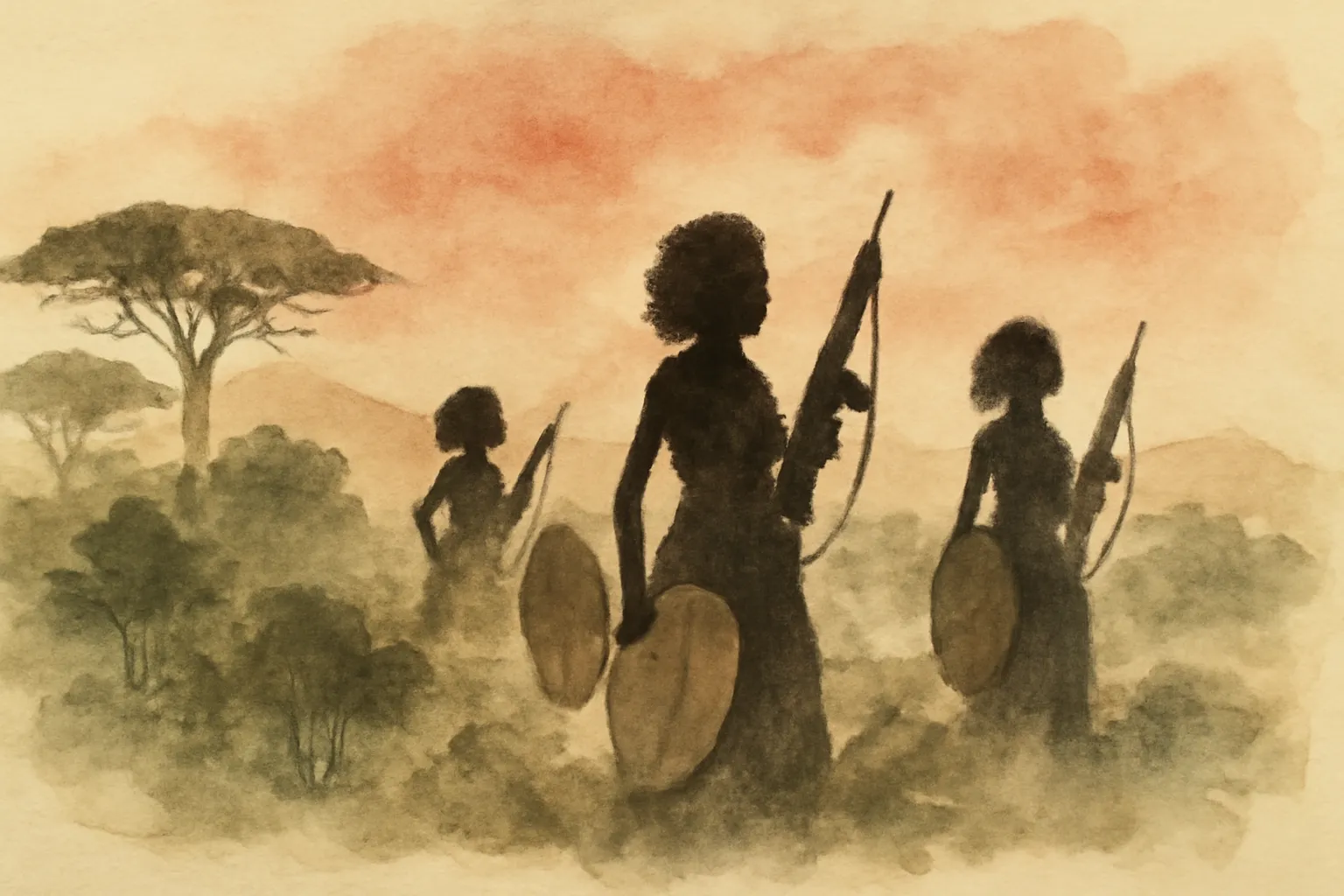
Mengiste reimagines the Ethiopian resistance by placing women—often erased from historical records—at the heart of the narrative. The protagonist, Hirut, and other women not only support the male fighters but take up arms themselves, challenging traditional gender roles. The novel interrogates how history is written and whose stories are told, making a powerful case for the recognition of women’s agency and sacrifice in wartime.
The Shadow King explores how trauma lingers and how memory shapes identity. Characters are haunted by personal and collective losses, and the act of storytelling becomes a way to reclaim agency. Mengiste’s narrative structure—shifting perspectives, poetic interludes—mirrors the fragmented, elusive nature of memory, emphasizing the importance of remembering and bearing witness.
“She does not know that her story, like Ethiopia’s, is only just beginning.”
“What is a hero if not the face of a man or a woman forced to do what has not been done before?”