1.Women at the Center of War
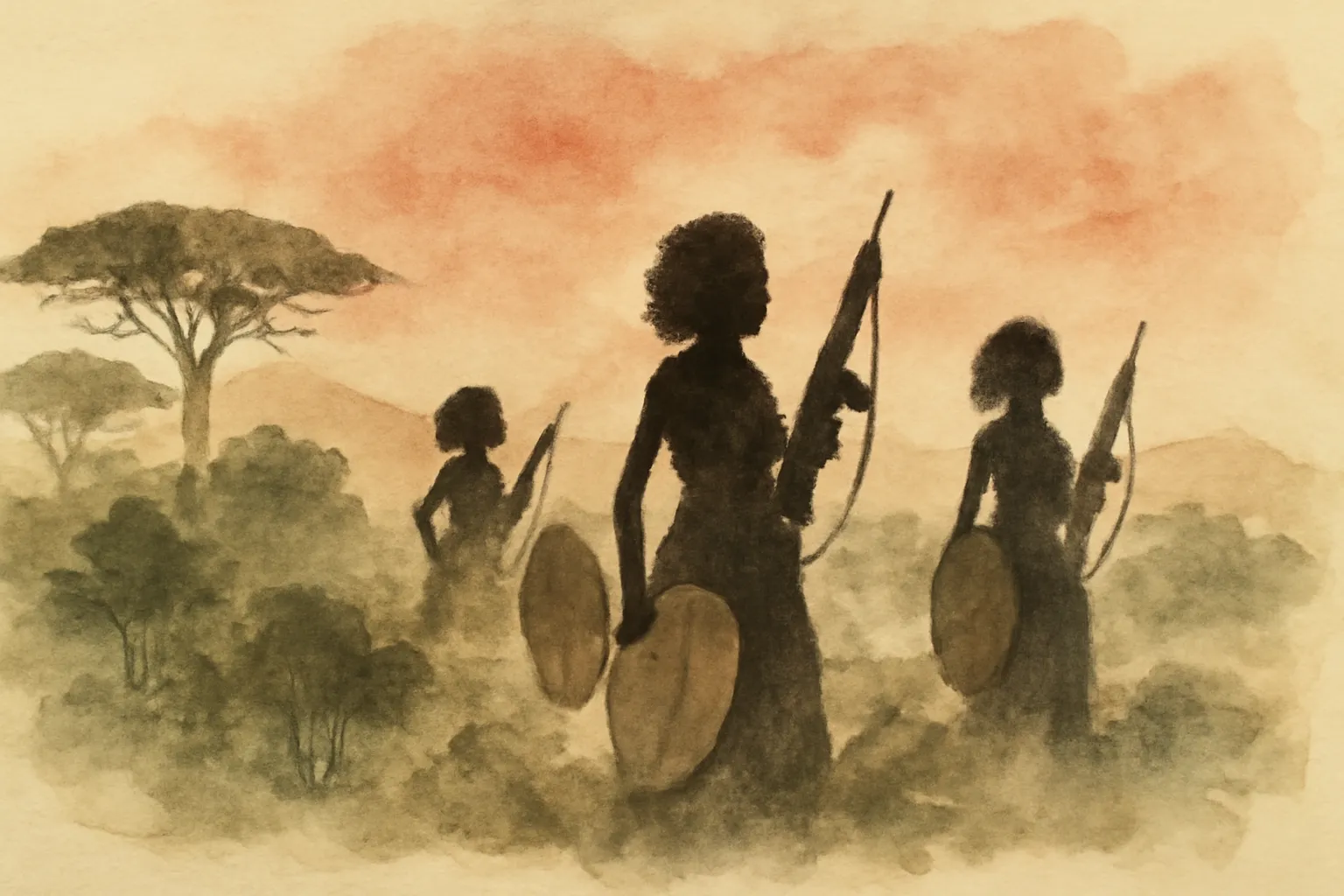
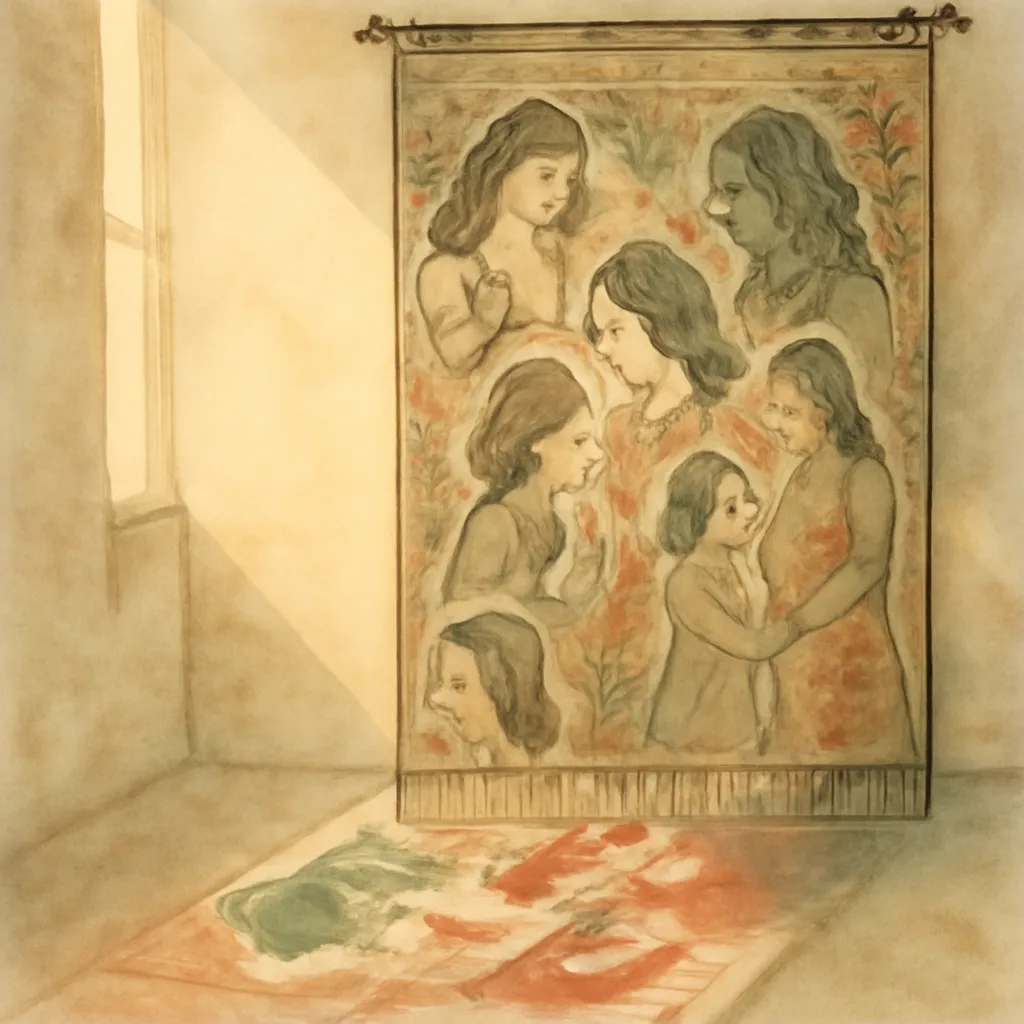
Mengiste reimagines the Ethiopian resistance by placing women—often erased from historical records—at the heart of the narrative. The protagonist, Hirut, and other women not only support the male fighters but take up arms themselves, challenging traditional gender roles. The novel interrogates how history is written and whose stories are told, making a powerful case for the recognition of women’s agency and sacrifice in wartime.
2.Memory, Trauma, and Storytelling
The Shadow King explores how trauma lingers and how memory shapes identity. Characters are haunted by personal and collective losses, and the act of storytelling becomes a way to reclaim agency. Mengiste’s narrative structure—shifting perspectives, poetic interludes—mirrors the fragmented, elusive nature of memory, emphasizing the importance of remembering and bearing witness.
3.Colonialism and Power
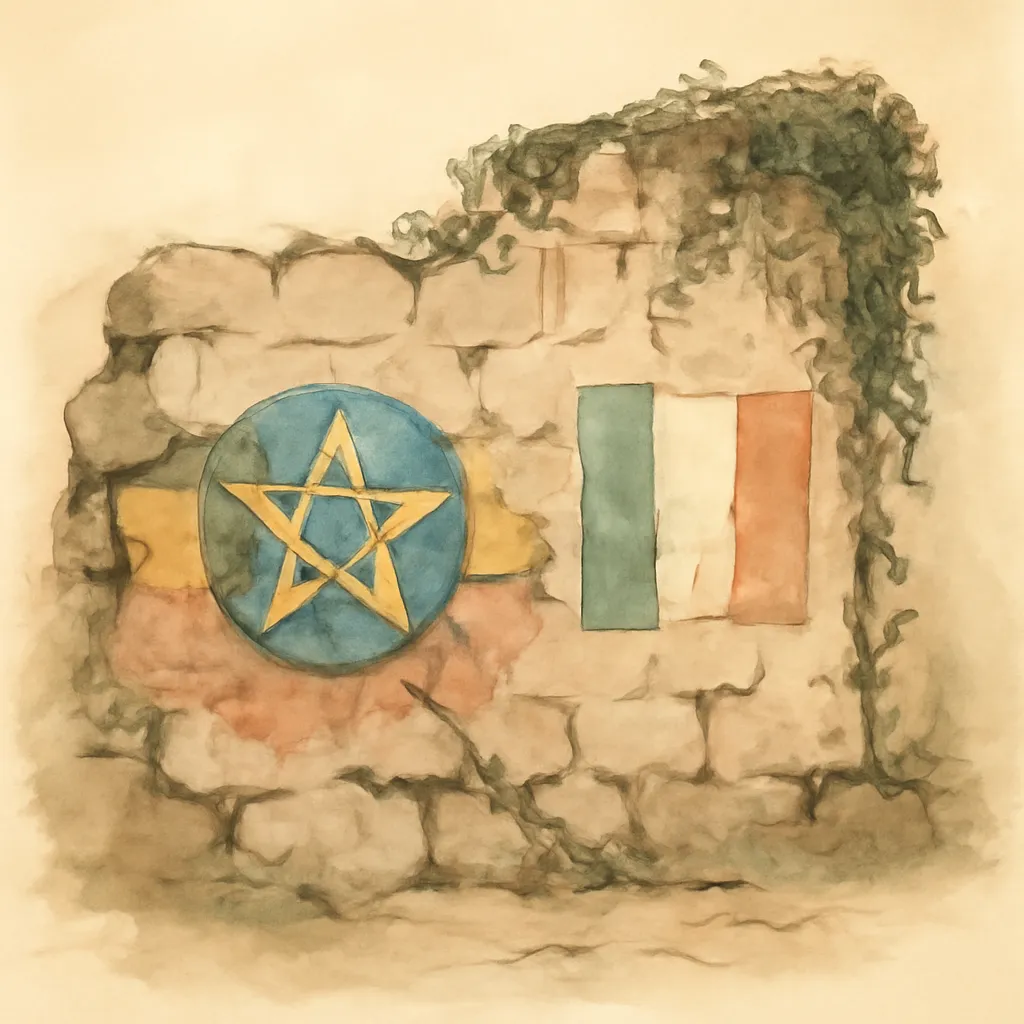
Set against the backdrop of Mussolini’s invasion, the novel examines the violence and arrogance of colonial power. Through both Ethiopian and Italian characters, Mengiste exposes the psychological and physical brutality of occupation. The story interrogates not just the clash of armies, but the deeper wounds inflicted by racism, dehumanization, and the struggle for dignity.
4.The Complexity of Heroism
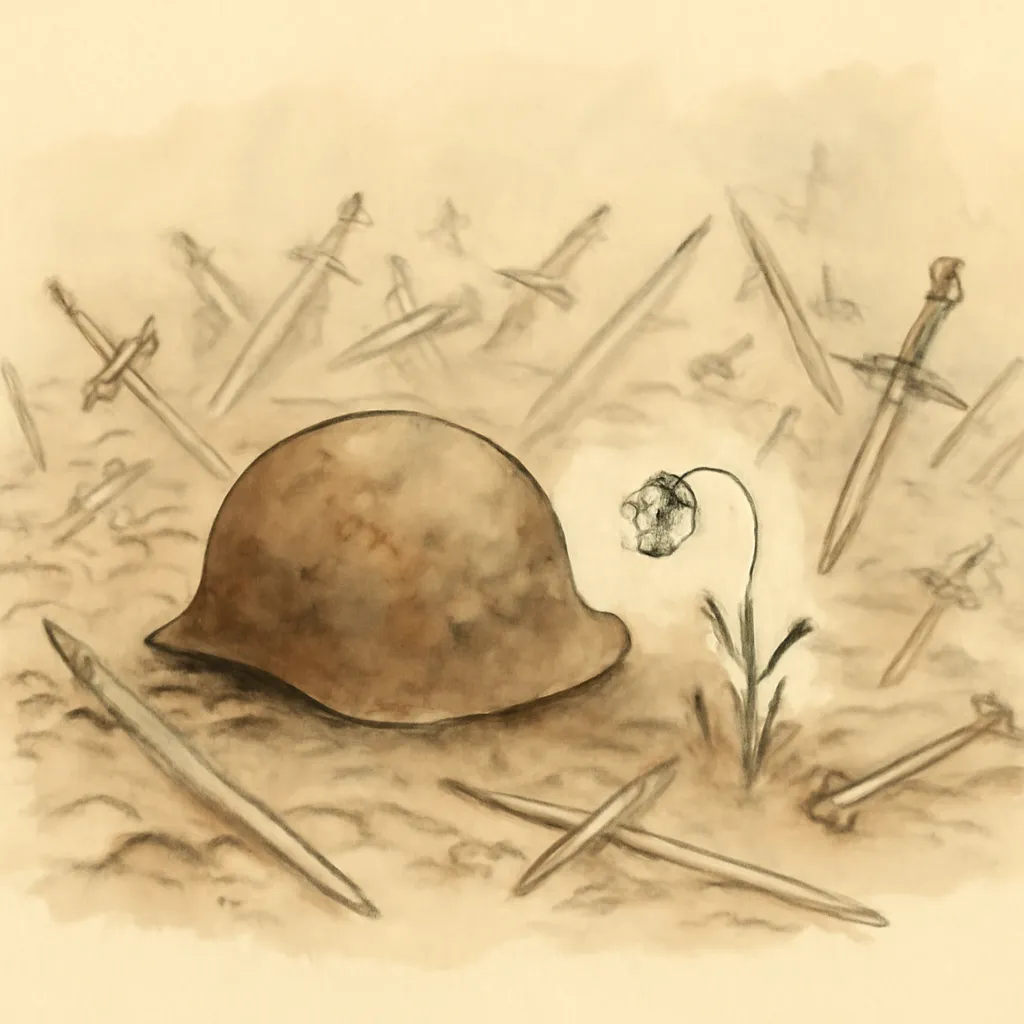
Mengiste resists simple binaries of good and evil, hero and villain. Her characters are flawed, their motivations complex. Even the Italian photographer, Ettore, is portrayed with nuance, torn between complicity and conscience. The novel asks what it means to be a hero and whether heroism is always recognized—or even possible—in the chaos of war.
5.The Power of Representation
By centering marginalized voices, The Shadow King challenges the dominant narratives of both Ethiopian and global history. Mengiste’s lush prose and vivid imagery give life to those who have been silenced, especially African women. The novel is a call to expand our understanding of history to include those left in the shadows.
6.Music, Ritual, and Resistance
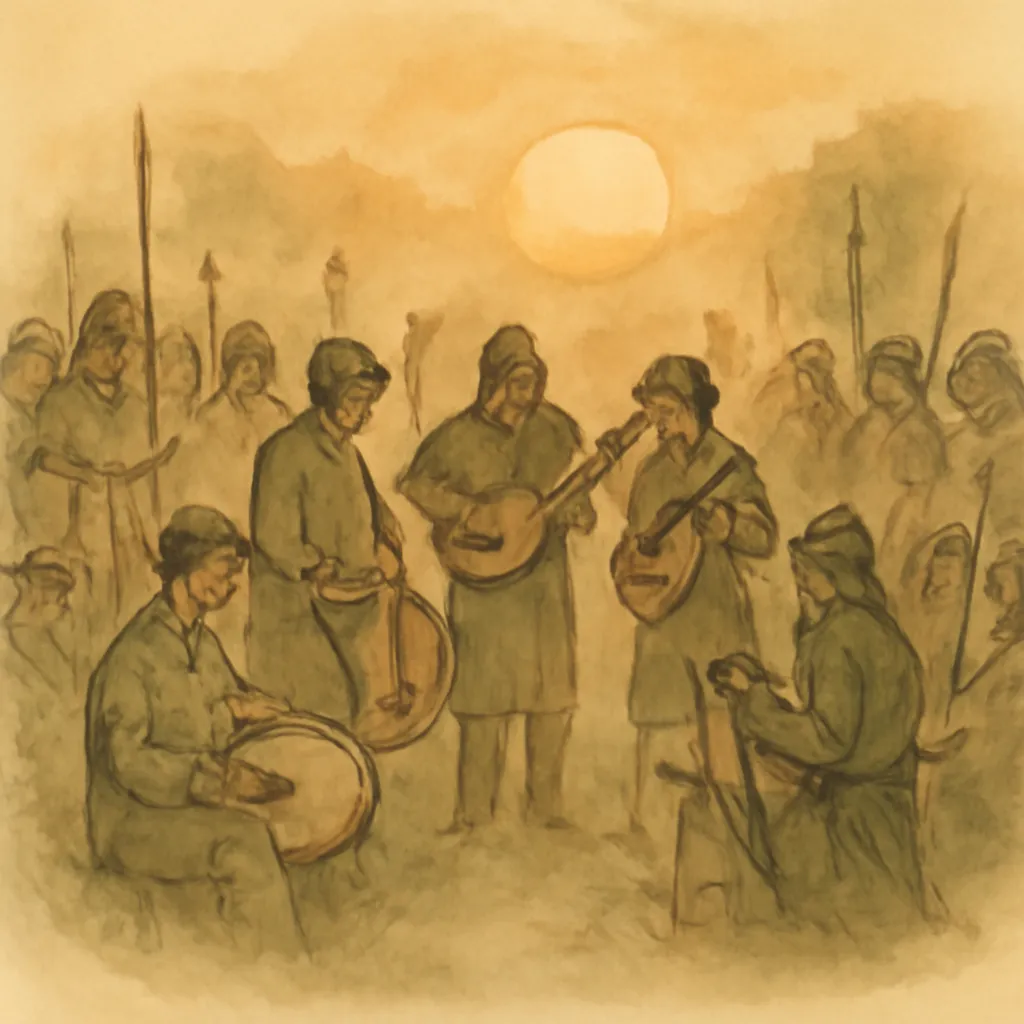
Throughout the novel, music and ritual serve as sources of strength and resistance for the Ethiopian fighters. Songs, prayers, and traditional ceremonies are woven into the fabric of daily life, providing comfort and forging community. These cultural practices become acts of defiance, preserving identity in the face of erasure.