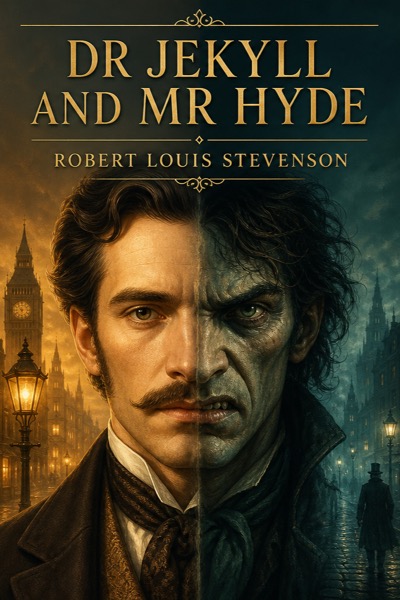

The duality of human nature revealed through the tragic tale of Dr. Jekyll and Mr. Hyde
Read full overviewShow less›
In 'The Strange Case of Dr. Jekyll and Mr. Hyde,' Robert Louis Stevenson explores the complex interplay between good and evil that exists within every individual. The narrative unfolds through Mr. Utterson, a lawyer who becomes embroiled in the mystery surrounding his friend Dr. Jekyll and the sinister figure of Mr. Hyde. As the story progresses, readers are invited to reflect on the nature of identity, morality, and the consequences of suppressing one’s darker impulses. This timeless tale serves as a cautionary reminder of the duality of human existence and the inherent struggle between our higher aspirations and baser instincts. By delving into the psyche of its characters, the book encourages a deeper understanding of the self and the societal forces that shape our behavior.
The Strange Case of Dr. Jekyll and Mr. Hyde serves as a profound exploration of the complexities of human nature, morality, and the consequences of our choices. Through the tragic story of Jekyll and Hyde, Stevenson invites readers to confront the duality inherent in all individuals and the societal pressures that shape our identities. The narrative serves as a timeless reminder that the struggle between good and evil is not merely an external battle but a deeply personal one. As readers reflect on the themes of isolation, friendship, and the quest for knowledge, they are left with an enduring understanding of the human condition. Ultimately, Stevenson's work challenges us to embrace our complexities and recognize the importance of balance within ourselves.
Ratings at a glance
- 1The Dual Nature of Humanity
- 2The Role of Society and Reputation
- 3The Consequences of Suppression
- 4Friendship and Loyalty
- 5The Nature of Evil
Notable quotes
“I am very low, Utterson.”
“Ah, that’s not Jekyll’s voice—it’s Hyde’s!”
“Here then, as I lay down the pen and proceed to seal up my confession, I bring the life of that unhappy Henry Jekyll to an end.”
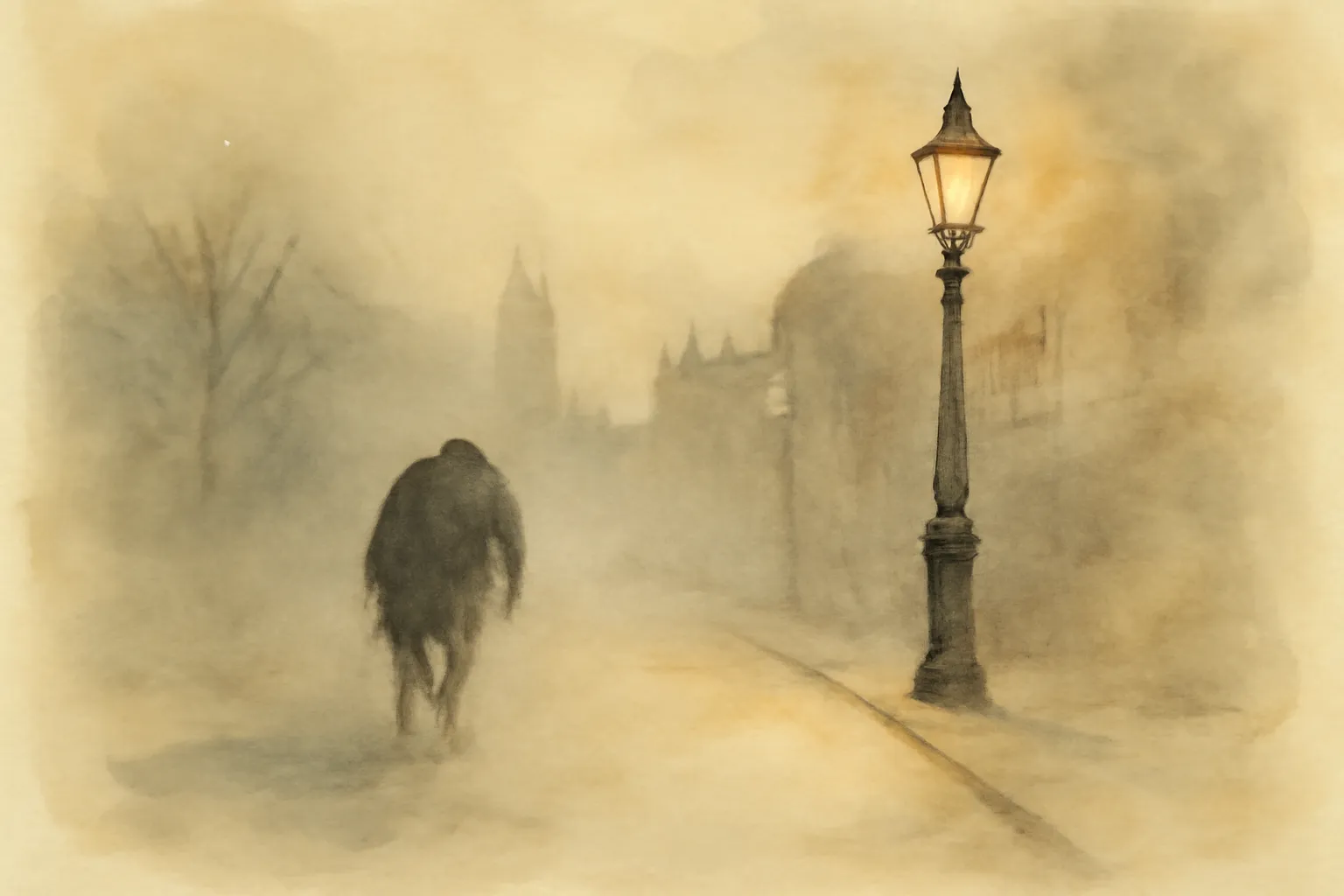
A glimpse inside

At the heart of Stevenson's narrative is the exploration of the duality of human nature. Dr. Jekyll represents the civilized, socially acceptable aspects of humanity, whi… Read moreAt the heart of Stevenson's narrative is the exploration of the duality of human nature. Dr. Jekyll represents the civilized, socially acceptable aspects of humanity, while Mr. Hyde embodies an unchecked id, representing primal instincts and desires. This clash between the two identities underscores a central theme: every individual possesses both good and evil within them. The transformation from Jekyll to Hyde serves as a metaphor for the darker side of human behavior that society often represses. Stevenson illustrates that when these darker impulses are unleashed without restraint, they can lead to destructive consequences. As Jekyll indulges in the freedom of being Hyde, he experiences a profound sense of liberation, yet this liberation is ultimately a double-edged sword, leading him down a path of moral decay. This duality challenges readers to reflect on their own inner conflicts and the societal structures that dictate acceptable behavior. Show less
Stevenson highlights the importance of societal expectations and reputation, particularly through the character of Mr. Utterson. Read moreStevenson highlights the importance of societal expectations and reputation, particularly through the character of Mr. Utterson. As a lawyer, Utterson is deeply concerned with social standing and the implications of scandal. His initial reluctance to confront the truth about Jekyll and Hyde showcases the pressure to maintain a respectable façade. The fear of societal judgment prevents Utterson from fully engaging with the reality of his friend’s situation until it becomes unavoidable. This commentary on Victorian society reflects how the constraints of social norms can lead individuals to hide their true selves. The novel illustrates that the pursuit of a respectable reputation can often come at the cost of personal integrity and honesty. Jekyll’s transformation into Hyde becomes a means of escaping societal expectations, allowing him to explore his darker desires without the burden of his social identity. However, this escape ultimately leads to his ruin, emphasizing the perils of allowing external pressures to dictate one’s actions. Show less
Read the full text — free
About the author
Robert Louis Stevenson has 5 works free to read on Lumina, including A Child's Garden of Verses, Kidnapped, Strange Case of Dr Jekyll and Mr Hyde
All 5 books by Robert Louis Stevenson →