1.The Dual Nature of Humanity
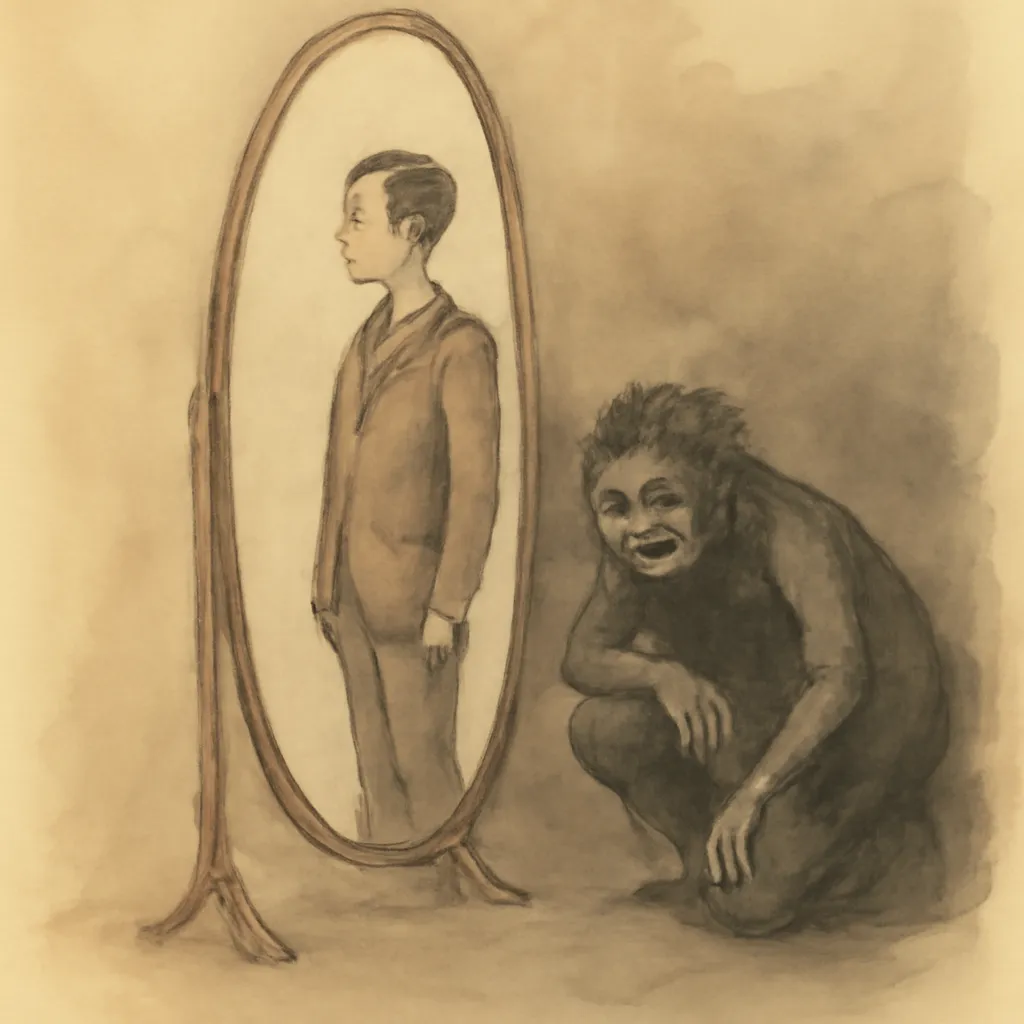
At the heart of Stevenson's narrative is the exploration of the duality of human nature. Dr. Jekyll represents the civilized, socially acceptable aspects of humanity, while Mr. Hyde embodies an unchecked id, representing primal instincts and desires. This clash between the two identities underscores a central theme: every individual possesses both good and evil within them. The transformation from Jekyll to Hyde serves as a metaphor for the darker side of human behavior that society often represses. Stevenson illustrates that when these darker impulses are unleashed without restraint, they can lead to destructive consequences. As Jekyll indulges in the freedom of being Hyde, he experiences a profound sense of liberation, yet this liberation is ultimately a double-edged sword, leading him down a path of moral decay. This duality challenges readers to reflect on their own inner conflicts and the societal structures that dictate acceptable behavior.
2.The Role of Society and Reputation
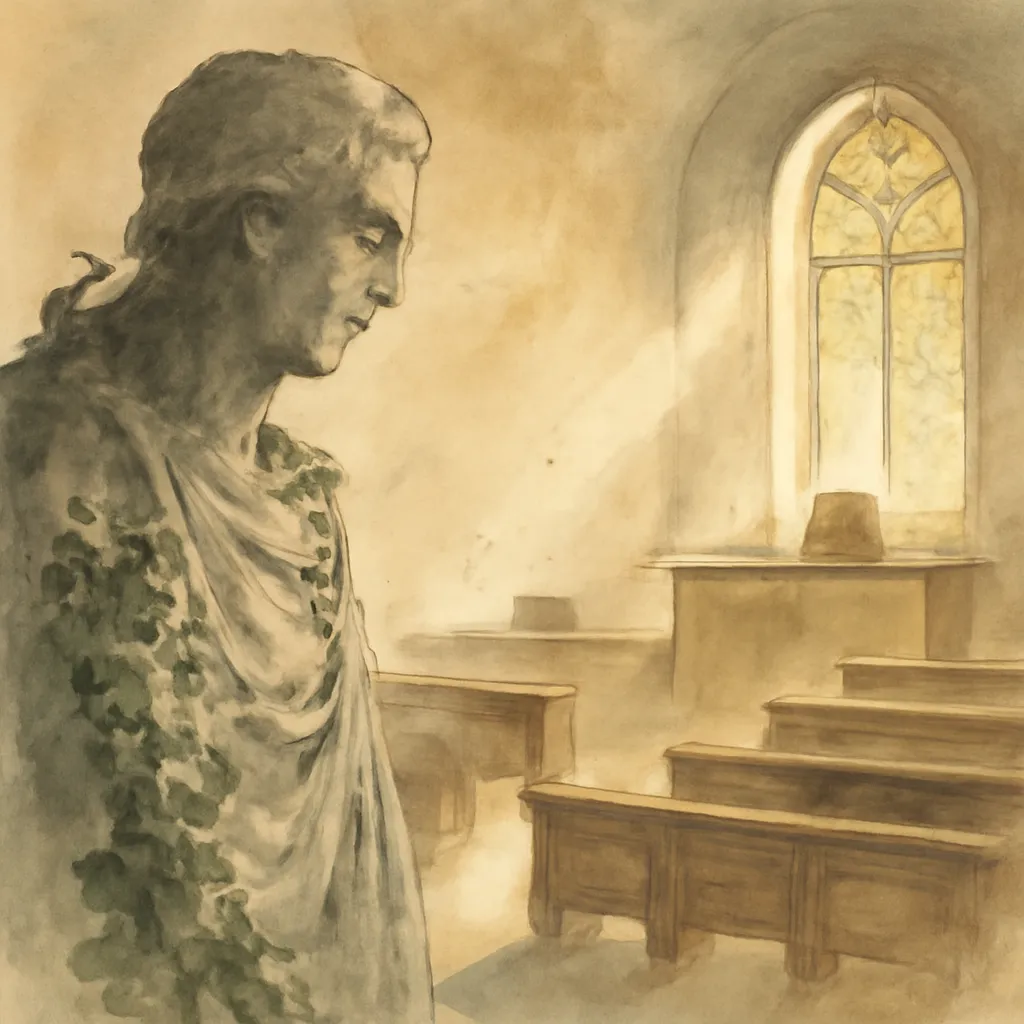
Stevenson highlights the importance of societal expectations and reputation, particularly through the character of Mr. Utterson. As a lawyer, Utterson is deeply concerned with social standing and the implications of scandal. His initial reluctance to confront the truth about Jekyll and Hyde showcases the pressure to maintain a respectable façade. The fear of societal judgment prevents Utterson from fully engaging with the reality of his friend’s situation until it becomes unavoidable. This commentary on Victorian society reflects how the constraints of social norms can lead individuals to hide their true selves. The novel illustrates that the pursuit of a respectable reputation can often come at the cost of personal integrity and honesty. Jekyll’s transformation into Hyde becomes a means of escaping societal expectations, allowing him to explore his darker desires without the burden of his social identity. However, this escape ultimately leads to his ruin, emphasizing the perils of allowing external pressures to dictate one’s actions.
3.The Consequences of Suppression
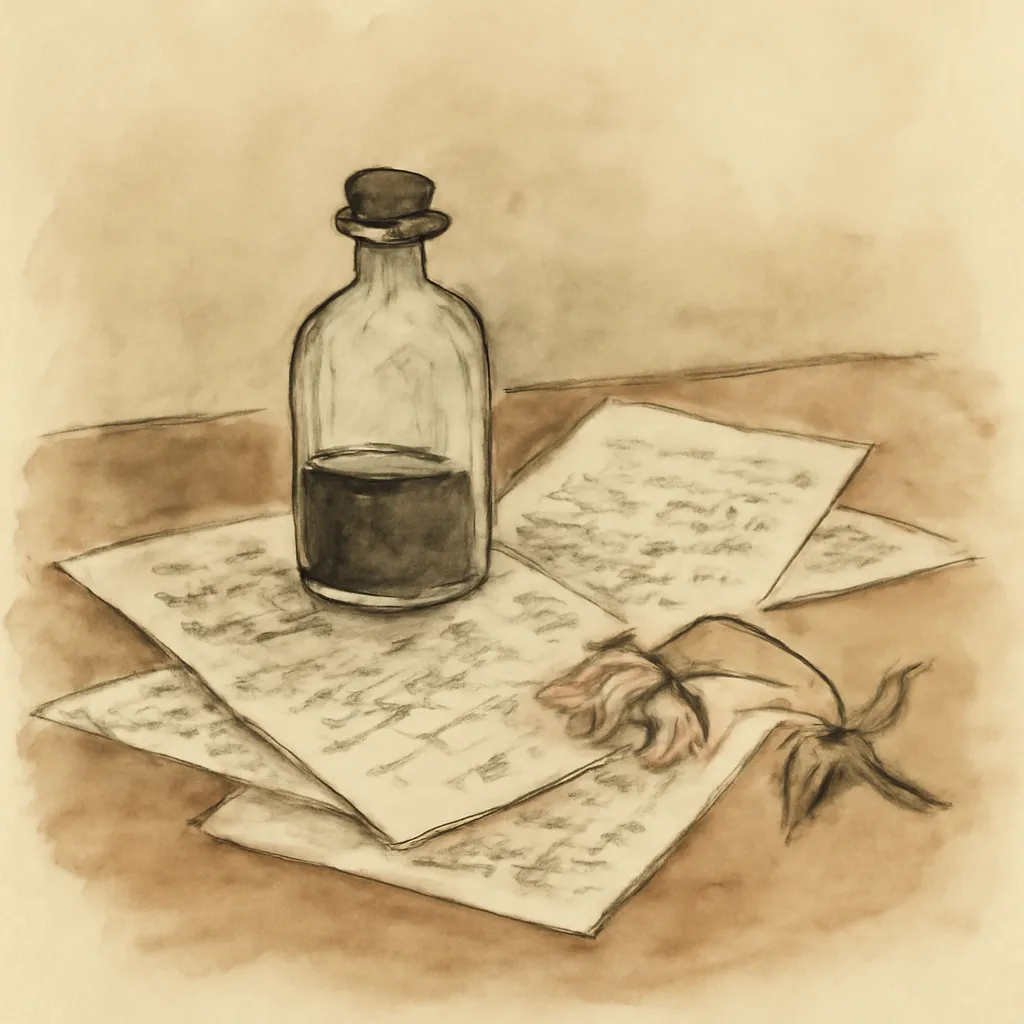
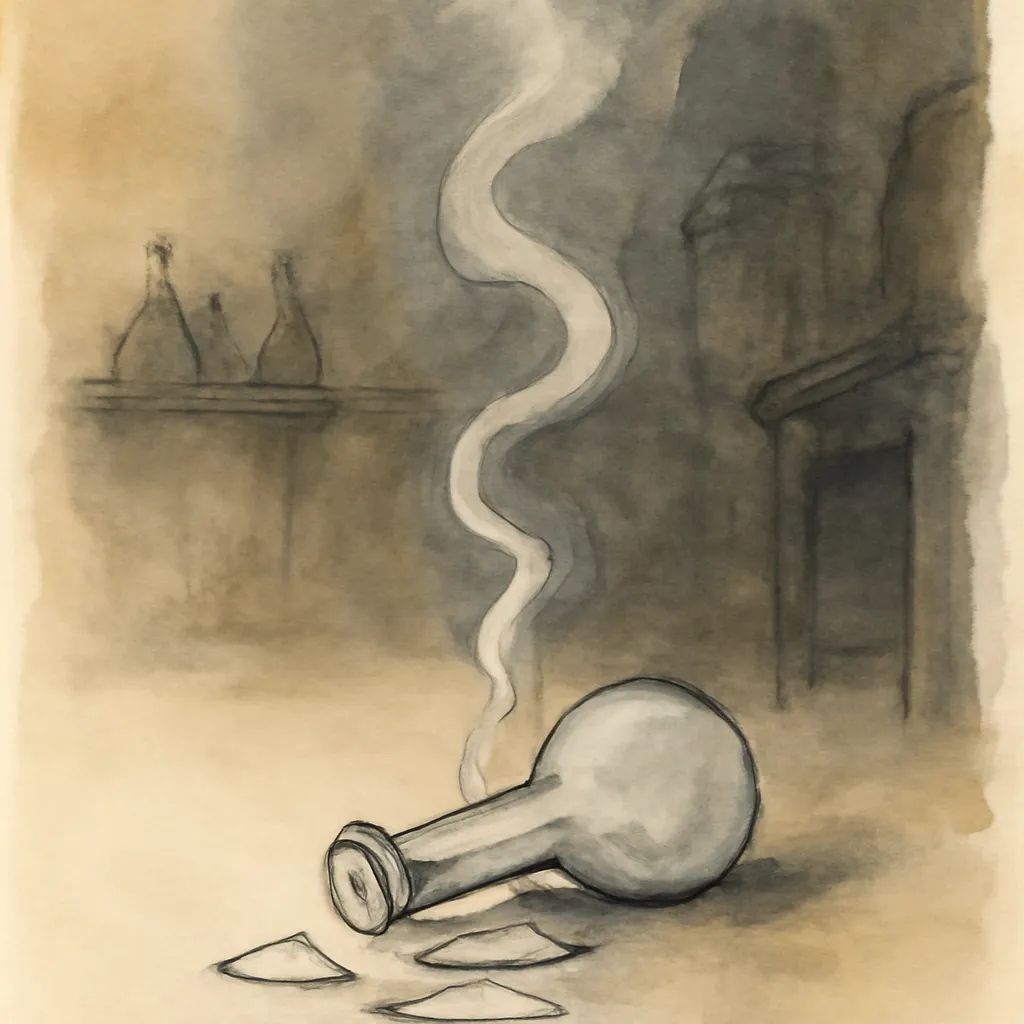
The tragic downfall of Dr. Jekyll is largely attributed to his attempts to suppress his darker impulses. By creating a potion that allows him to separate his identities, Jekyll believes he can control his baser instincts. However, this act of suppression ultimately leads to his undoing. As he indulges more in the freedom of being Hyde, he finds himself increasingly losing control over that identity. Stevenson's narrative warns against the dangers of denying one's true self and the inevitability of consequences when one tries to compartmentalize aspects of their identity. Jekyll’s struggle reflects the universal human experience of grappling with inner demons. The transformation into Hyde signifies a surrender to these impulses, showing how unchecked desires can spiral out of control. The struggle between Jekyll and Hyde serves as a powerful reminder that ignoring or repressing one’s darker side does not eliminate it, but rather allows it to fester and ultimately take over.
4.Friendship and Loyalty
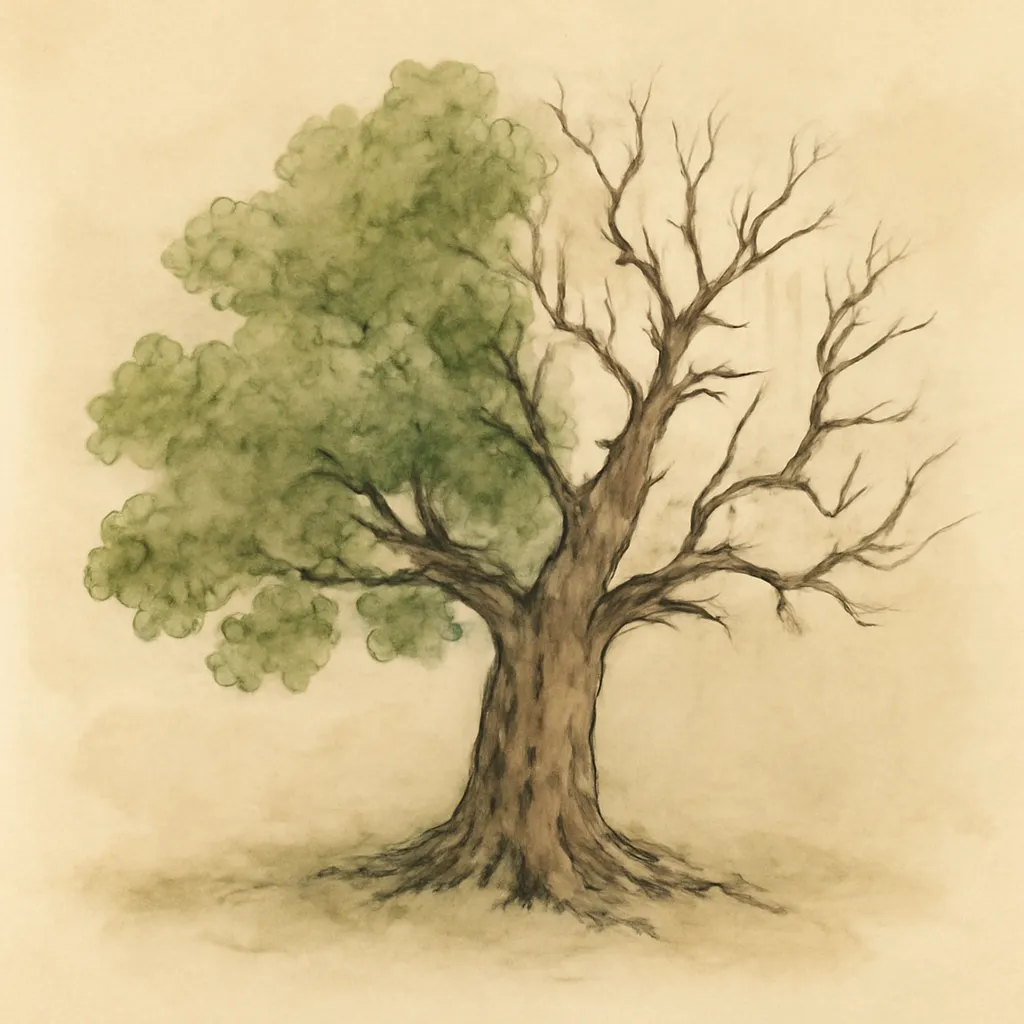
The relationship between Utterson and Jekyll is marked by deep loyalty and concern, yet it is also fraught with tension due to the secrets that Jekyll keeps. Utterson’s unwavering friendship is evident in his determination to uncover the truth behind Hyde, even as he is met with resistance. This dynamic illustrates the complexities of friendship, particularly when one friend is dealing with personal demons. Utterson's loyalty is tested as he navigates the moral ambiguity surrounding Jekyll’s actions. The novel suggests that true friendship involves confronting uncomfortable truths and supporting one another through trials, even when it challenges the bonds of loyalty. Utterson's ultimate quest to save Jekyll from himself reflects a genuine concern for his friend's well-being. However, Jekyll's secrets create a wall between them, demonstrating how the burden of shame can fracture even the strongest of friendships. The painful reality is that Jekyll's inability to share his struggles leads to his isolation and eventual demise.
5.The Nature of Evil
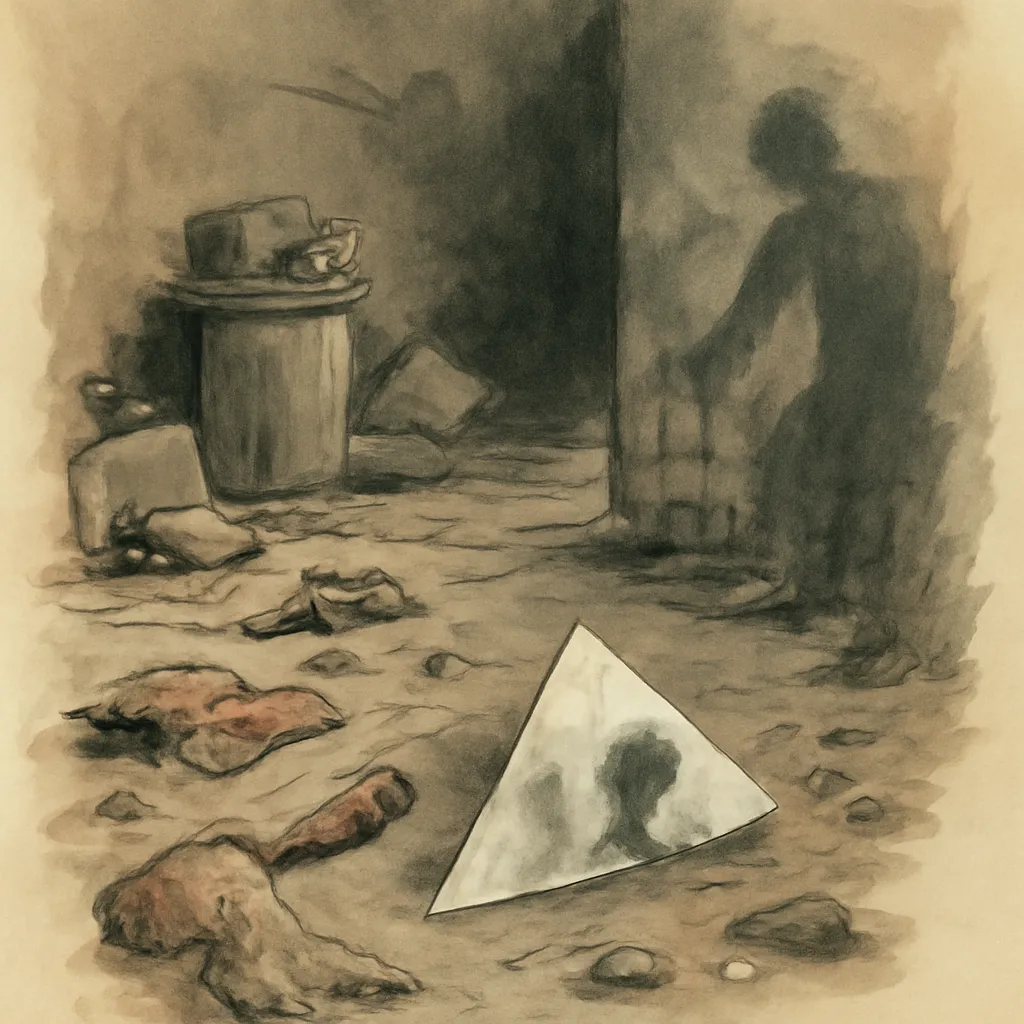
Stevenson delves into the nature of evil through the character of Mr. Hyde, who embodies pure malevolence. Hyde is not merely a reflection of Jekyll's darker side but represents a separate entity capable of heinous acts. His actions are devoid of morality, showcasing the concept of evil as an inherent part of the human experience. The juxtaposition of Jekyll and Hyde challenges readers to consider whether evil is an external force or an intrinsic aspect of humanity. Stevenson refrains from providing explicit explanations for Hyde's evil nature, instead allowing readers to grapple with the ambiguity. Hyde’s emergence raises questions about the nature of responsibility and culpability, prompting reflection on the societal and psychological factors that contribute to immoral behavior. This exploration of evil serves to deepen the narrative’s complexity and provoke thought on the darker aspects of the human condition. The transformation into Hyde illustrates how the capacity for evil exists within everyone, waiting to be unleashed under certain circumstances.
6.The Quest for Knowledge
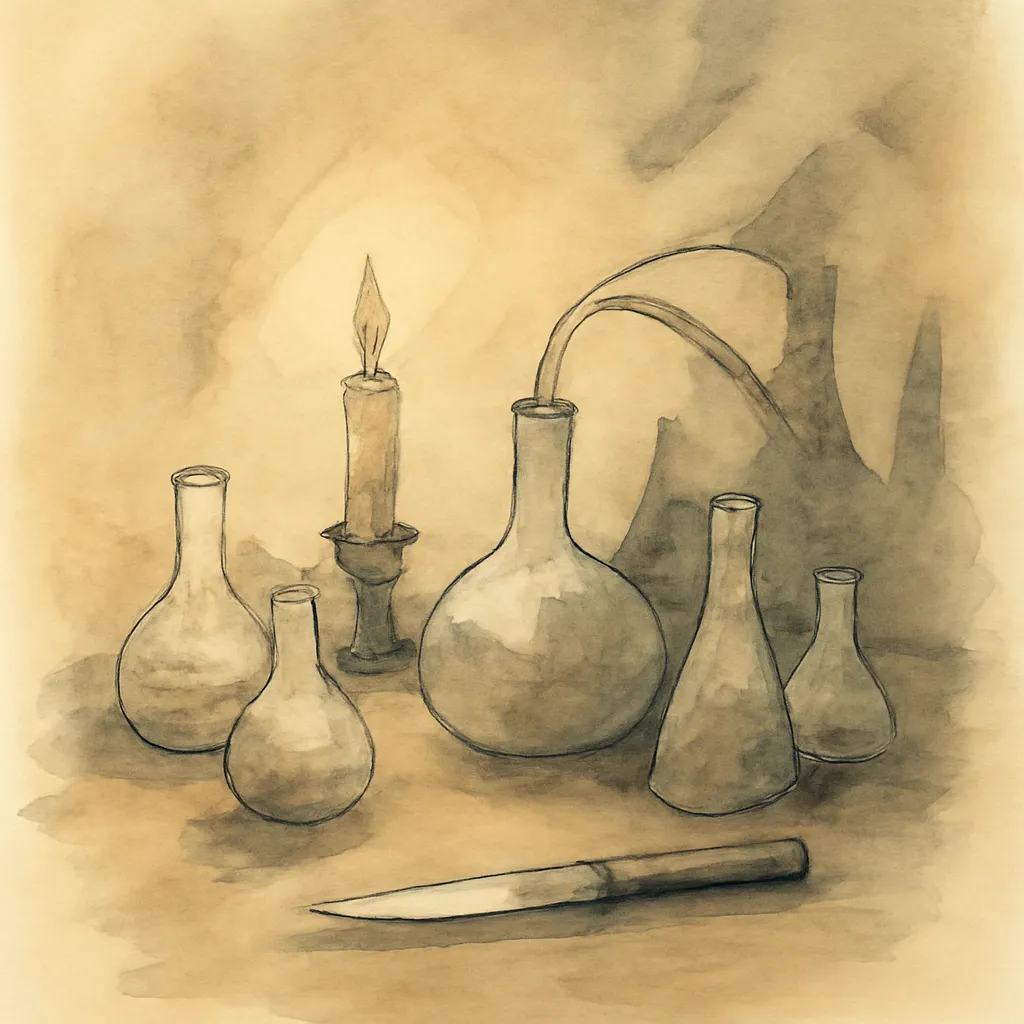
Dr. Jekyll's experiments represent a thirst for knowledge that ultimately leads to his demise. His desire to unlock the secrets of human nature drives him to create a potion that separates his dual identities. However, this quest for understanding comes at a great cost. Stevenson's critique of Jekyll's ambition reflects a broader commentary on the relentless pursuit of knowledge without ethical considerations. As Jekyll delves deeper into his scientific endeavors, he becomes increasingly blind to the potential dangers of his experiments. The moment he first transforms into Hyde, he experiences a surge of exhilaration; yet, this exhilaration quickly turns into horror as he realizes the ramifications of his actions. The narrative serves as a cautionary tale about the responsibilities that come with scientific exploration and the moral obligations that should guide such pursuits. It raises important questions about the limits of human knowledge and the ethical boundaries that should not be crossed, warning readers that some knowledge may lead to more harm than good.
7.Isolation and Loneliness

As the story unfolds, themes of isolation and loneliness become increasingly prominent, particularly in the character of Dr. Jekyll. Despite his social standing and achievements, Jekyll experiences profound loneliness, exacerbated by his secret life as Hyde. His attempts to separate his identities lead to emotional and psychological estrangement from those he cares about. This self-imposed isolation reflects a broader commentary on the loneliness that can accompany the struggle with one's inner demons. Jekyll's withdrawal into his work and experiments signifies a retreat from meaningful human connections. Stevenson's portrayal of Jekyll's loneliness serves as a poignant reminder that the struggle for self-acceptance can lead to a disconnect from others. The tragic end of Jekyll underscores the importance of connection and the dangers of retreating into oneself. The narrative illustrates that true fulfillment comes from embracing both sides of one's identity rather than hiding them away.
8.The Unreliability of Perception
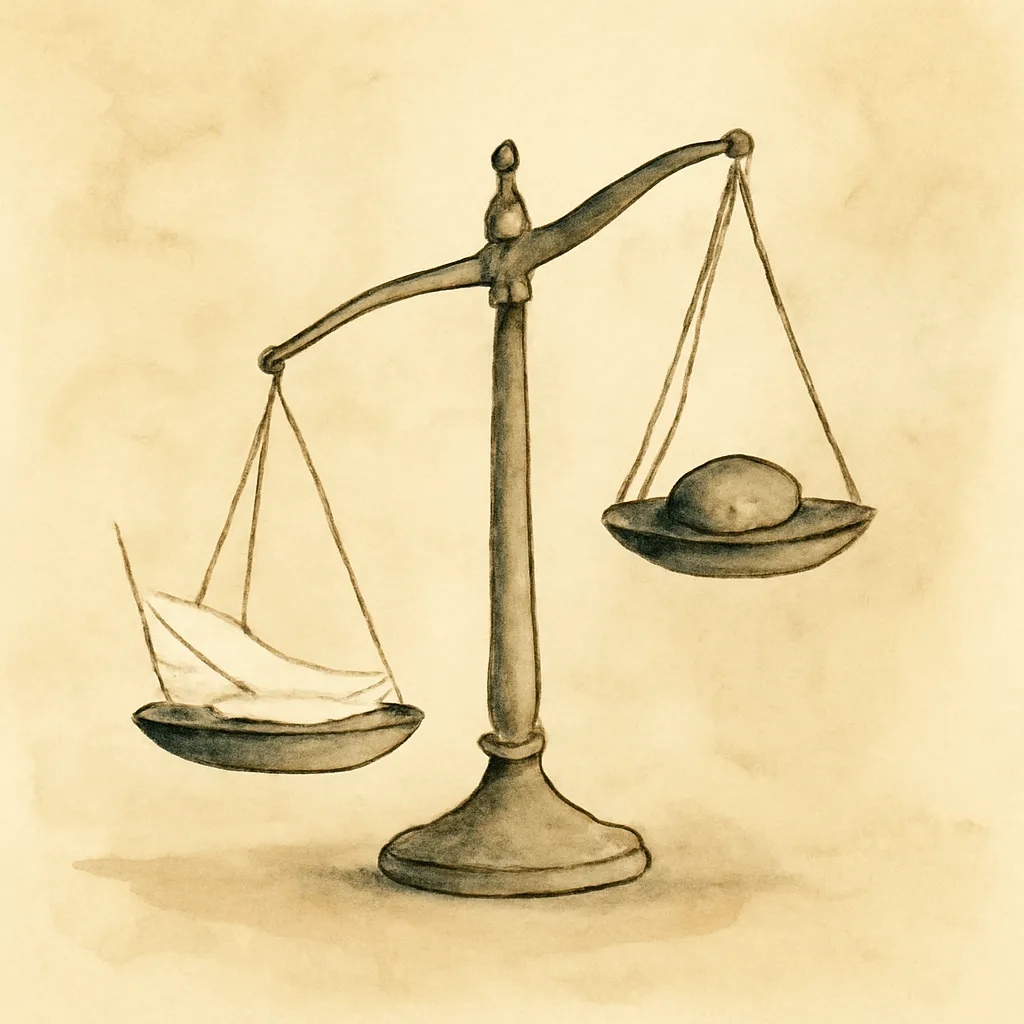
Stevenson plays with the concept of perception and reality throughout the narrative. Mr. Utterson’s investigation into Hyde is shaped by his biases and limited understanding of the situation. His initial impressions of Hyde are colored by societal prejudice and fear, which complicates his ability to see the full truth. Each encounter with Hyde reinforces his suspicions and deepens his unease. This theme of unreliable perception invites readers to question their own judgments and assumptions. The contrast between how characters perceive Jekyll and Hyde versus their true natures encourages a deeper exploration of identity. Stevenson suggests that appearances can be deceiving, and the truth often lies beneath the surface. This theme resonates with contemporary discussions around identity and the complexities of understanding others. Utterson's journey illustrates that one’s perception is often clouded by preconceived notions, leading to misunderstandings and missed opportunities for connection.
9.The Final Transformation
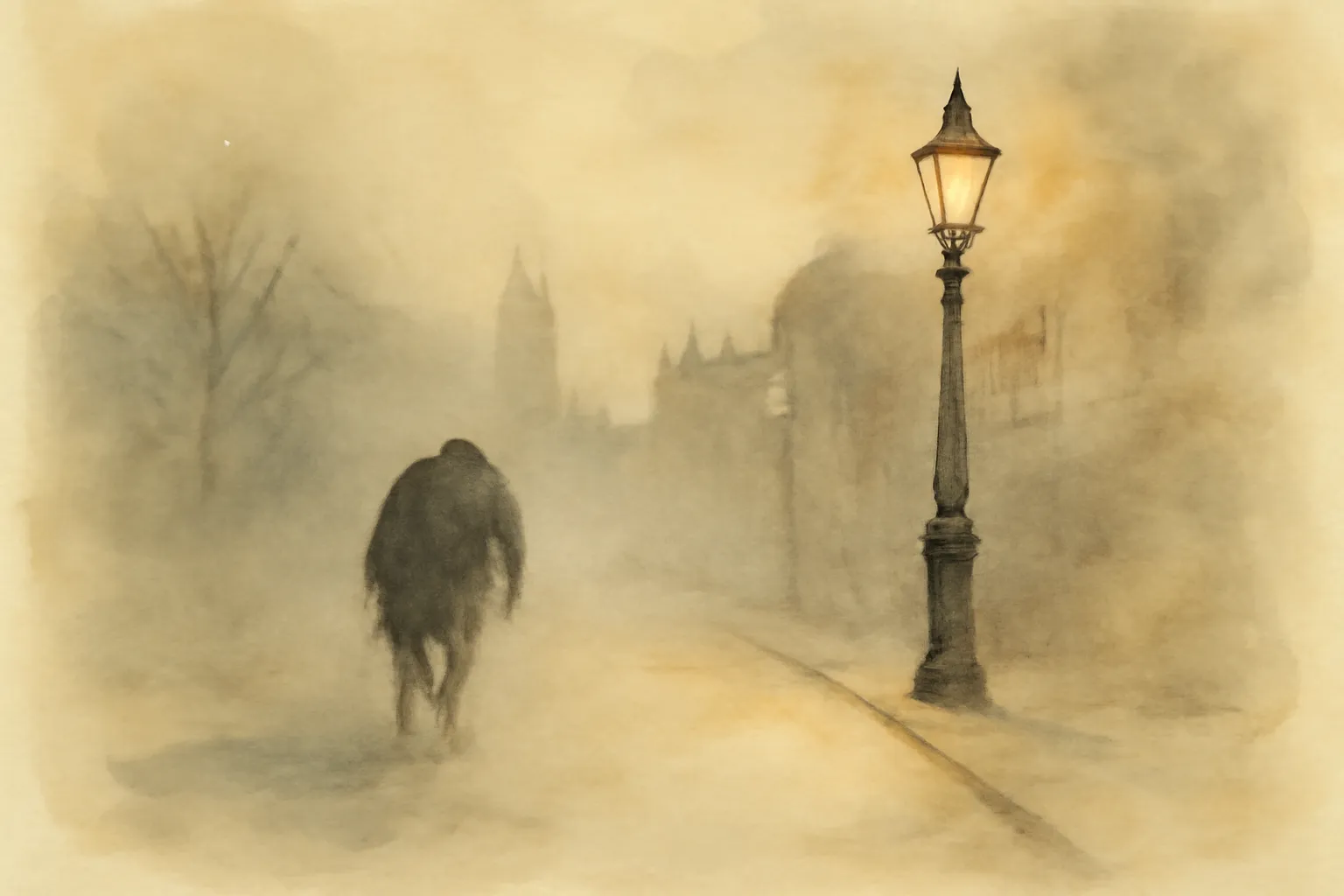
The climax of the story culminates in Dr. Jekyll’s final transformation into Hyde, marking the irreversible consequence of his experiments. This transformation is not just physical but represents a complete surrender to his darker impulses. As Jekyll loses control over his dual identity, the narrative illustrates the dangers of letting one’s darker side dominate. The moment of transformation serves as a powerful metaphor for the struggle between good and evil within every individual. Jekyll’s realization that he may never return to his former self encapsulates the tragedy of his situation. As he spirals further into the depths of Hyde's persona, the novel emphasizes that once one succumbs to their baser instincts, it becomes increasingly difficult to reclaim their former self. This tragic conclusion highlights the profound cost of denying one’s true nature and the ultimate defeat that can arise from the battle between light and darkness.
10.The Legacy of Jekyll and Hyde
Stevenson’s tale of Dr. Jekyll and Mr. Hyde has left an indelible mark on literature and popular culture, becoming a symbol of the struggle between good and evil. The characters have transcended their narrative to represent broader themes of humanity’s dual nature. The term 'Jekyll and Hyde' has entered the lexicon, often used to describe individuals with contrasting personalities. This legacy reflects the lasting impact of Stevenson's exploration of identity, morality, and the human condition. The story continues to resonate with readers and audiences, prompting introspection about the complexities of human nature and the eternal conflict within us all. Its relevance persists as society grapples with issues of morality, identity, and the darker sides of human behavior. The enduring nature of the Jekyll and Hyde archetype encourages ongoing discussions about the balance between our civilized, responsible selves and the primal instincts that lurk beneath.