neuroscience · humanity · psychology
The Tell-Tale Brain by V. S. Ramachandran — Summary, Key Ideas & Quotes
2010358 pages✦ 3-min Big ideas★ 3.0 (1)
Rate it
Drawing on strange and thought-provoking case studies, an eminent neurologist offers unprecedented insight into the evolution of the uniquely human brain. V. S. Ramachandran is at the forefront of his field-so much so that Richard Dawkins dubbed him the "Marco Polo of neuroscience." Now, in a major new work, Ramachandran sets his sights on the mystery of human uniqueness. Taking us to the frontiers of neurology, he reveals what baffling and extreme case studies can teach us about normal brain function and how it evolved. Synesthesia becomes a window into the brain mechanisms that make some of us more creative than others. And autism—for which Ramachandran opens a new direction for treatment—gives us a glimpse of the aspect of being human that we understand least: self-awareness. Ramachandran tackles the most exciting and controversial topics in neurology with a storyteller's eye for compelling case studies and a researcher's flair for new approaches to age-old questions. Tracing the strange links between neurology and behavior, this book unveils a wealth of clues into the deepest mysteries of the human brain. [More at W. W. Norton][1]
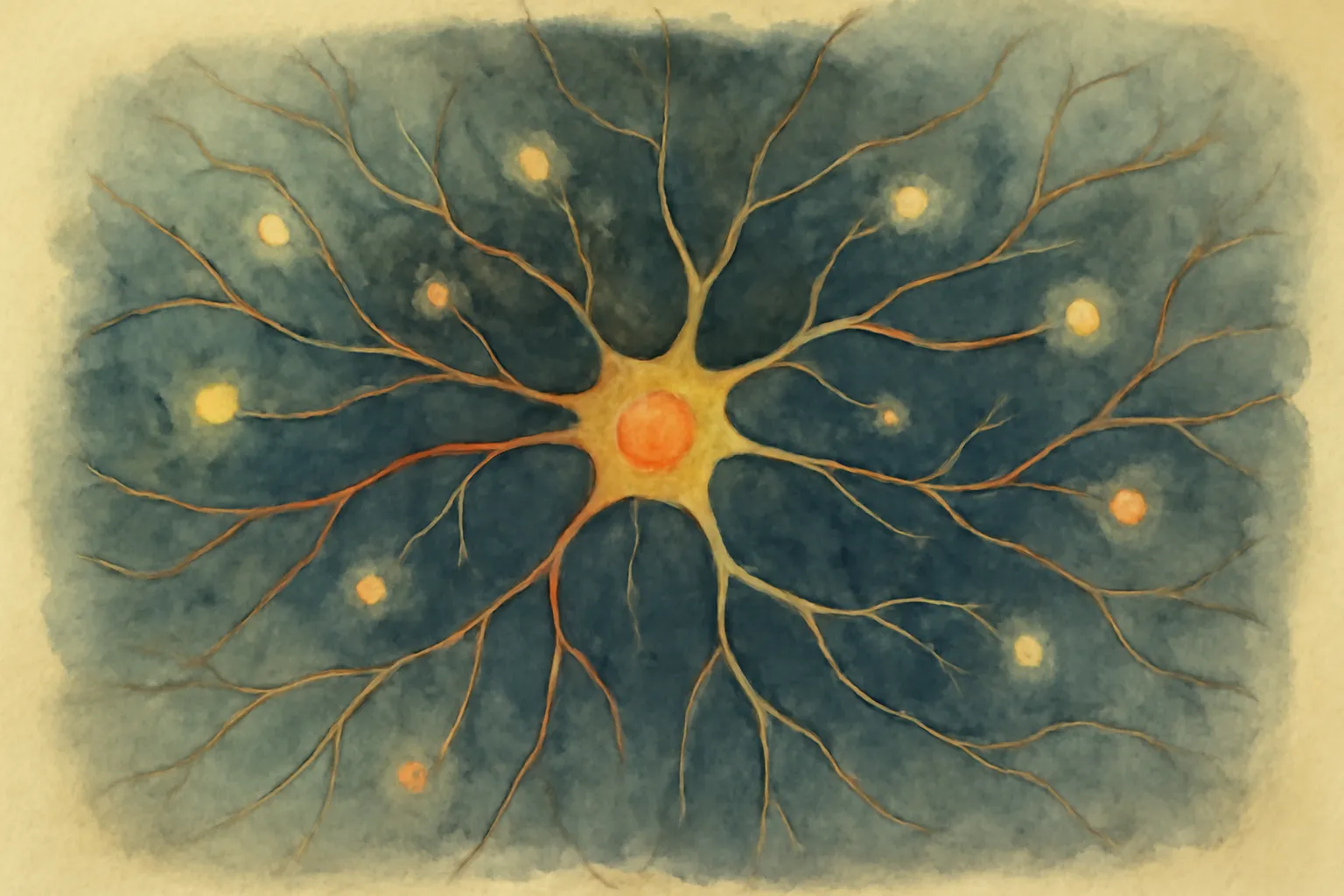
Ramachandran uses unusual neurological disorders—phantom limbs, synesthesia, autism—as investigative tools, arguing that these 'experiments of nature' reveal the underlying architecture of the normal brain. By examining what happens when specific brain regions are damaged or rewired, he draws connections between brain structure and the emergence of uniquely human traits like empathy, self-reflection, and creativity.
A central theme is the evolutionary leap that made the human brain distinct. Ramachandran explores how small changes—such as the development of mirror neurons—may have catalyzed language, culture, and abstract thought. He suggests that these neural adaptations underpin our ability to imitate, empathize, and build civilization, marking a profound divergence from our primate relatives.
“The human brain, it has been said, is the most complex structure in the known universe.”