
war · soldiers · psychology
The Stoic Warrior: The Ancient Philosophy behind the Military Mind by Nancy Sherman — Summary, Key Ideas & Quotes
2010352 pages✦ 3-min Big ideas★ 4.0 (1)
Rate it
*From [W. W. Norton] "A unique analysis of the moral weight of warfare today through the lenses of philosophy and psychology. "Philosopher, ethicist, and psychoanalyst Nancy Sherman explores the psychological and moral burdens borne by soldiers. By illuminating the extent to which wars are fought internally as well as externally, this book expands the national discussion about war and the men and women who fight our nation’s battles. With close-up looks at servicemen and —women preparing for, experiencing, and returning home from war, Sherman probes the psyche of today’s soldiers—examining how they learn to kill and to leave the killing behind. Bringing to light the moral quandaries soldiers face—torture, the thin line between fighters and civilians, and the anguish of killing even in a just war—Sherman bares the souls of our soldiers and the emotional landscape of soldiering. At the heart of the book are interviews with soldiers, from the current wars in Iraq and Afghanistan, but also from Vietnam and World Wars I and II."
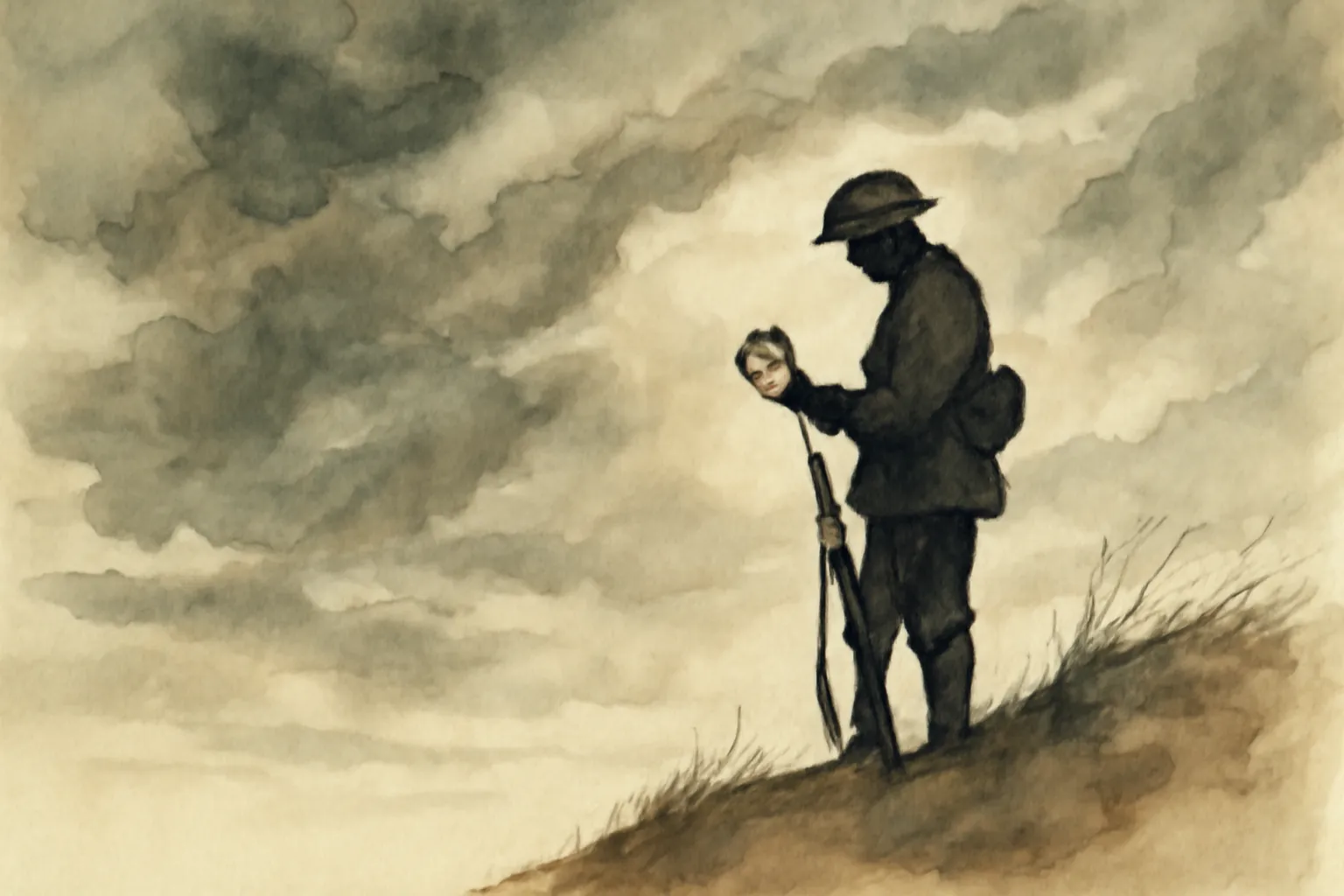
Sherman argues that Stoicism, with its emphasis on self-control, duty, and resilience, has long been woven into military culture. The philosophy teaches soldiers to master their emotions, endure hardship, and focus on what is within their control—qualities essential for surviving and functioning in the chaos of war. However, she also questions whether this ethic, when taken to extremes, can suppress healthy emotional responses and hinder recovery from trauma.
Through interviews and analysis, Sherman delves into the psychological and moral burdens of killing in combat—even when justified. She shows how Stoic detachment can help soldiers cope, but also how it may conflict with the deep anguish many feel after taking life. The book challenges the notion that emotional numbness is a sign of strength, urging a more nuanced understanding of moral injury.