Military Psychology · Stoics · Militärpsychologie
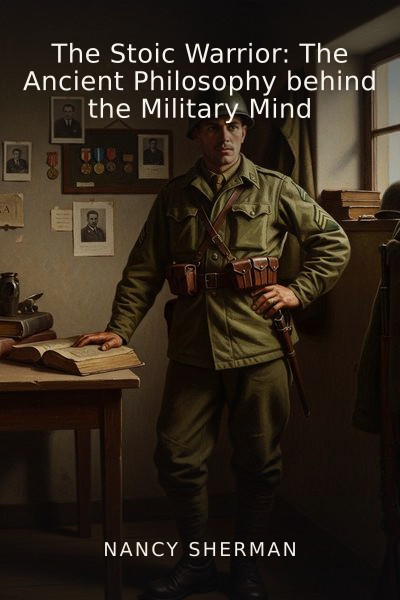
Stoic Warriors: The Ancient Philosophy behind the Military Mind by Nancy Sherman — Summary, Key Ideas & Quotes
2005256 pages✦ 3-min Big ideas★ 3.0 (1)
Rate it
"While few soldiers may have read the works of Epictetus or Marcus Aurelius, it is undoubtedly true that the ancient philosophy known as Stoicism guides the actions of many in the military. Soldiers and seamen learn early in their training "to suck it up," to endure, to put aside their feelings and to get on with the mission." "Stoic Warriors is the first book to delve deeply into the ancient legacy of this relationship, exploring what the Stoic philosophy actually is, the role it plays in the character of the military (both ancient and modern), and its powerful value as a philosophy of life. Marshalling anecdotes from military history - ranging from ancient Greek wars to World War II, Vietnam, and Iraq - Nancy Sherman illuminates the military mind and uses it as a window on the virtues of the Stoic philosophy, which are far richer and more interesting than our popularized notions."--Jacket.

Sherman reveals that, even if most soldiers have never read Epictetus or Marcus Aurelius, the core tenets of Stoicism—self-control, endurance, and duty—are embedded in military culture. She traces how the military’s emphasis on 'sucking it up' and emotional restraint echoes ancient Stoic ideals, showing that this philosophy is not just historical but alive in the daily practices and expectations of service members.
A central theme is the nuanced Stoic approach to emotion. Sherman challenges the stereotype that Stoicism demands the suppression of all feeling. Instead, she argues, Stoicism teaches mastery: understanding emotions, recognizing their sources, and choosing how to respond. In the military, this can foster resilience, but Sherman warns that overemphasis on emotional suppression can lead to alienation and psychological harm.