1.Stoicism as the Unspoken Code
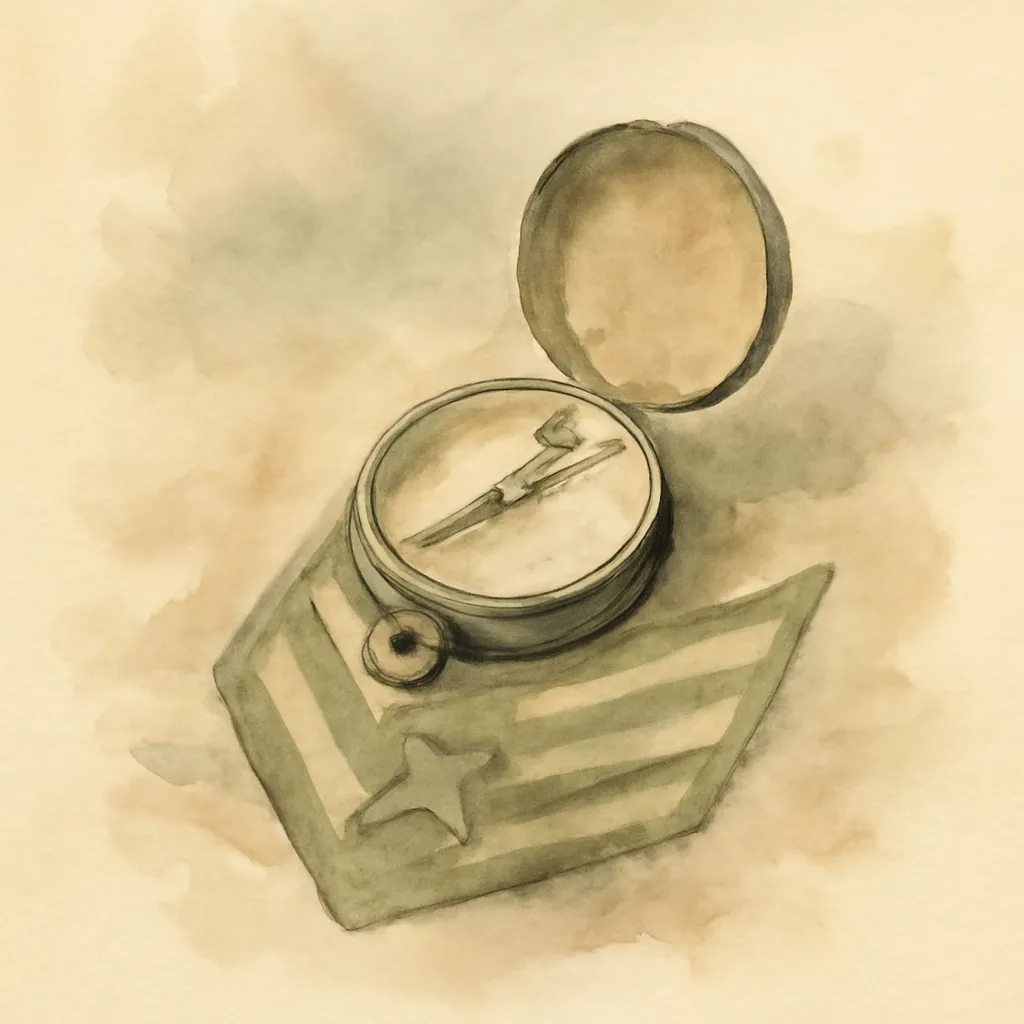
Sherman reveals that, even if most soldiers have never read Epictetus or Marcus Aurelius, the core tenets of Stoicism—self-control, endurance, and duty—are embedded in military culture. She traces how the military’s emphasis on 'sucking it up' and emotional restraint echoes ancient Stoic ideals, showing that this philosophy is not just historical but alive in the daily practices and expectations of service members.
2.Emotion: Suppression or Mastery?
A central theme is the nuanced Stoic approach to emotion. Sherman challenges the stereotype that Stoicism demands the suppression of all feeling. Instead, she argues, Stoicism teaches mastery: understanding emotions, recognizing their sources, and choosing how to respond. In the military, this can foster resilience, but Sherman warns that overemphasis on emotional suppression can lead to alienation and psychological harm.
3.Virtue, Duty, and the Warrior Ethos
The book explores how Stoic virtues—courage, justice, wisdom, and self-discipline—are foundational to the military’s sense of honor and duty. Sherman examines how these values help soldiers navigate the stresses of combat and moral ambiguity, but also how they can create tension when rigidly applied, especially in the face of moral injury or ethical conflict.
4.The Limits of Stoic Endurance
Sherman is critical of the unreflective adoption of Stoic endurance. While perseverance is necessary, she argues that the military’s valorization of toughness can sometimes silence necessary conversations about trauma, vulnerability, and the need for help. She advocates for a more balanced Stoicism that acknowledges human limits and the importance of community support.
5.Moral Injury and the Need for Reflection
A significant contribution of the book is its analysis of moral injury—the wounds to conscience that can result from war. Sherman shows how Stoic practices of self-examination and philosophical reflection can help service members process guilt, shame, and grief, but only if these practices are supported by institutional and social recognition of moral complexity.
6.Stoicism Beyond the Battlefield
Sherman extends Stoic lessons beyond the military, suggesting that the philosophy’s emphasis on character, resilience, and ethical reflection can benefit anyone facing adversity. However, she cautions against simplistic or macho appropriations of Stoicism, advocating instead for a thoughtful engagement with its full moral depth.