1.Stoicism as a Military Ethic
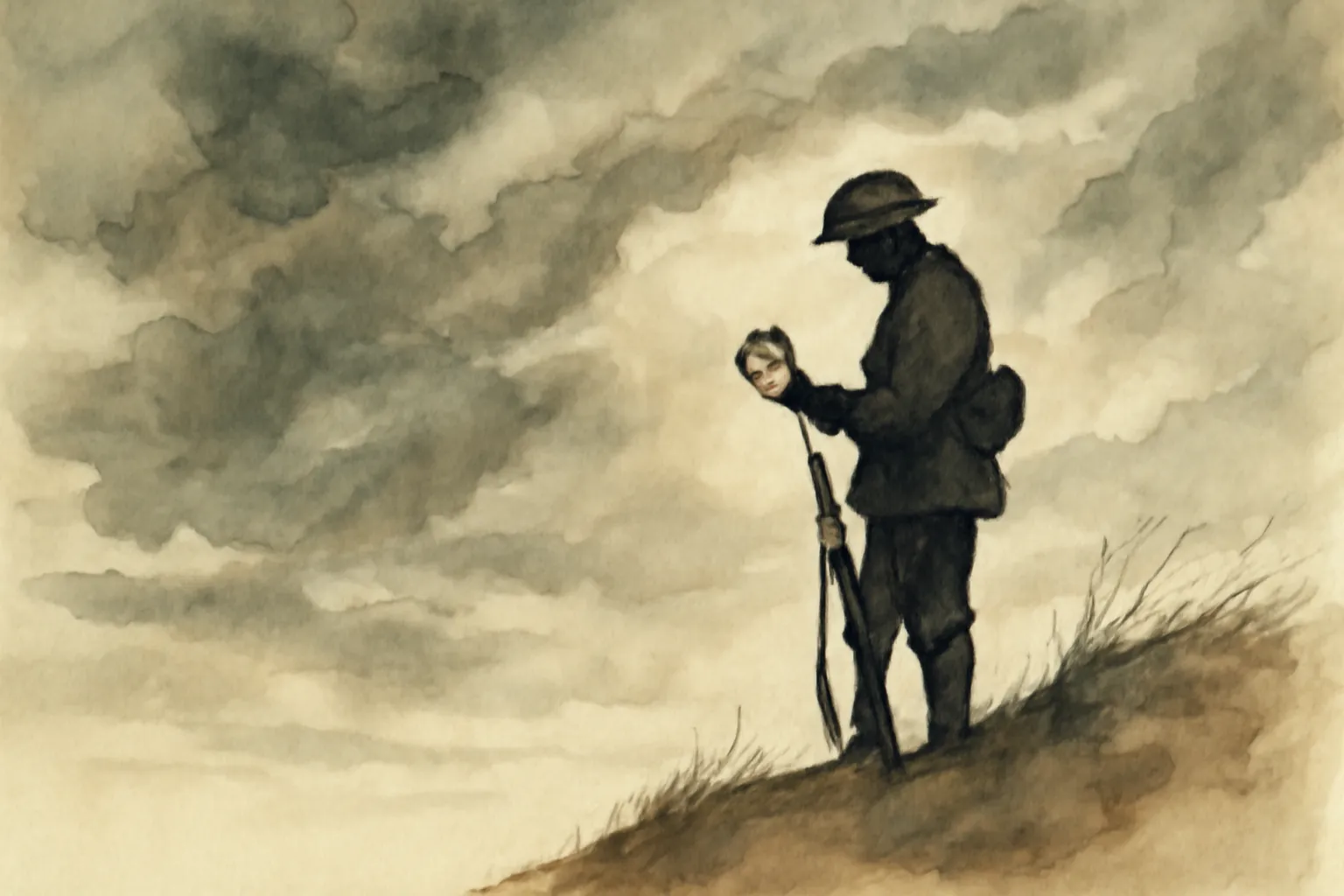
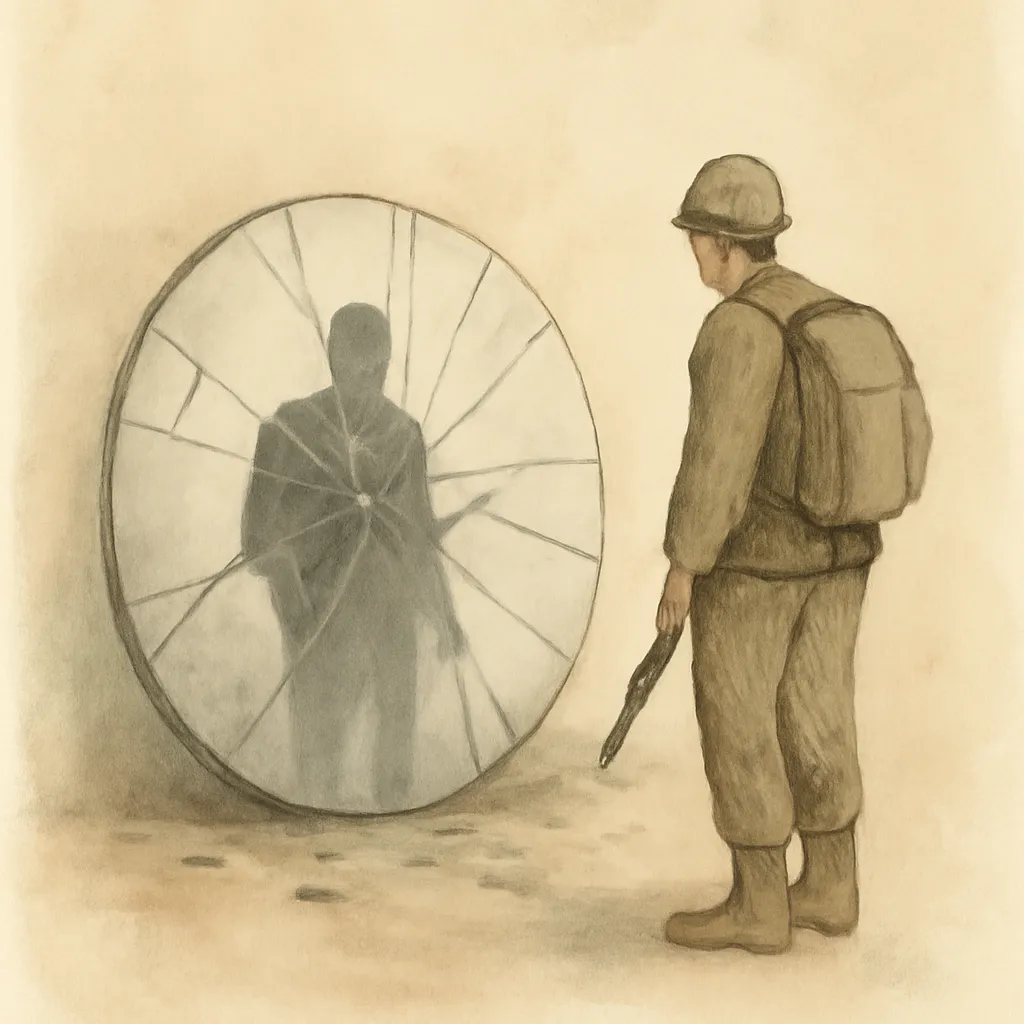
Sherman argues that Stoicism, with its emphasis on self-control, duty, and resilience, has long been woven into military culture. The philosophy teaches soldiers to master their emotions, endure hardship, and focus on what is within their control—qualities essential for surviving and functioning in the chaos of war. However, she also questions whether this ethic, when taken to extremes, can suppress healthy emotional responses and hinder recovery from trauma.
2.The Moral Weight of Killing
Through interviews and analysis, Sherman delves into the psychological and moral burdens of killing in combat—even when justified. She shows how Stoic detachment can help soldiers cope, but also how it may conflict with the deep anguish many feel after taking life. The book challenges the notion that emotional numbness is a sign of strength, urging a more nuanced understanding of moral injury.
3.Internal Wars: Guilt, Shame, and Moral Injury
Sherman introduces the concept of 'moral injury'—the inner wounds caused by violating one’s moral code or witnessing atrocities. She explores how Stoic practices can both aid and complicate the healing process. The book highlights the need for soldiers to confront, rather than suppress, feelings of guilt and shame, and for society to support their moral recovery.
4.The Limits of Stoic Detachment
While Stoicism advocates emotional discipline, Sherman warns against confusing this with emotional suppression. She argues that genuine resilience requires acknowledging and working through pain, not denying it. The book critiques the military’s sometimes rigid embrace of Stoic ideals, suggesting that vulnerability and emotional honesty are also vital for well-being.
5.Civilian-Military Divide
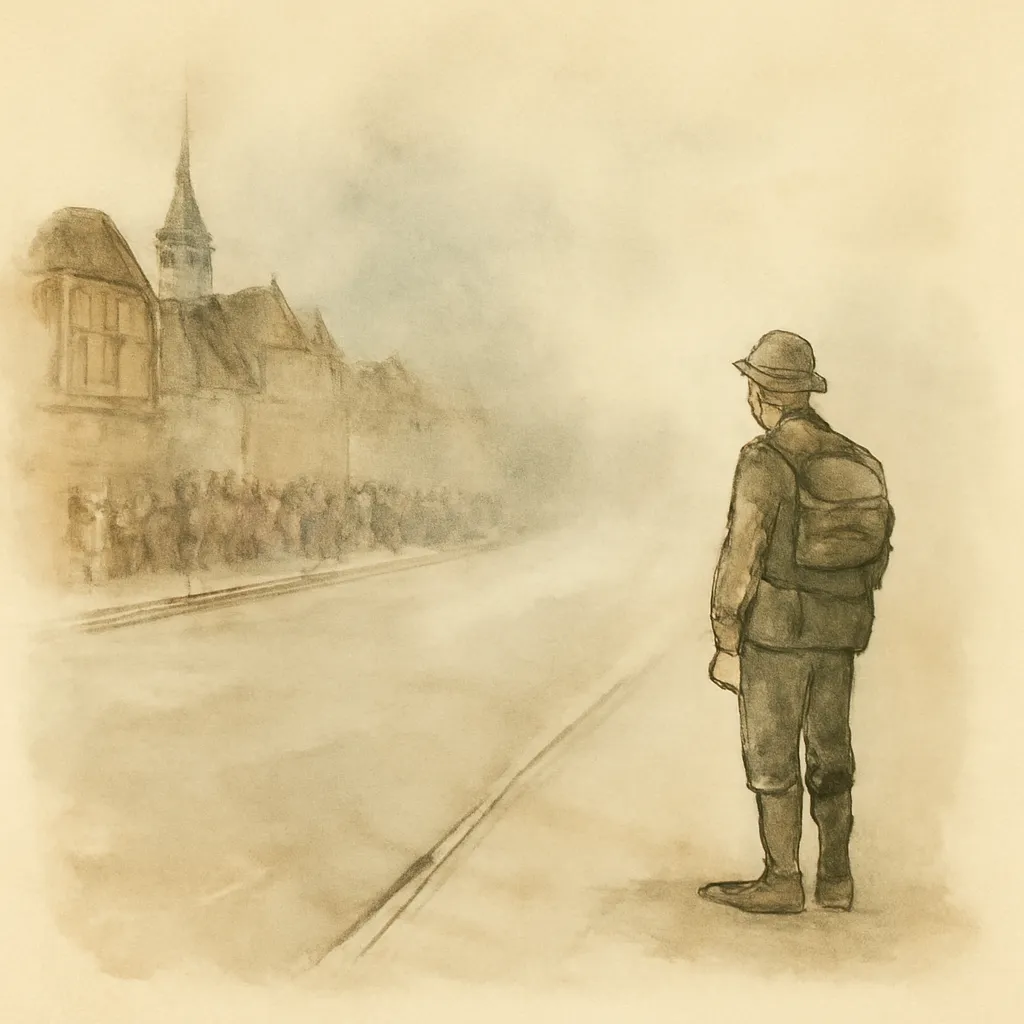
Sherman examines the gap between civilian perceptions of war and the lived experiences of soldiers. She contends that Stoic ideals can unintentionally widen this divide, as the public may expect soldiers to be stoic superhumans. The book calls for greater empathy and understanding from civilians, and for a more open dialogue about the psychological costs of war.
6.Reintegrating After War
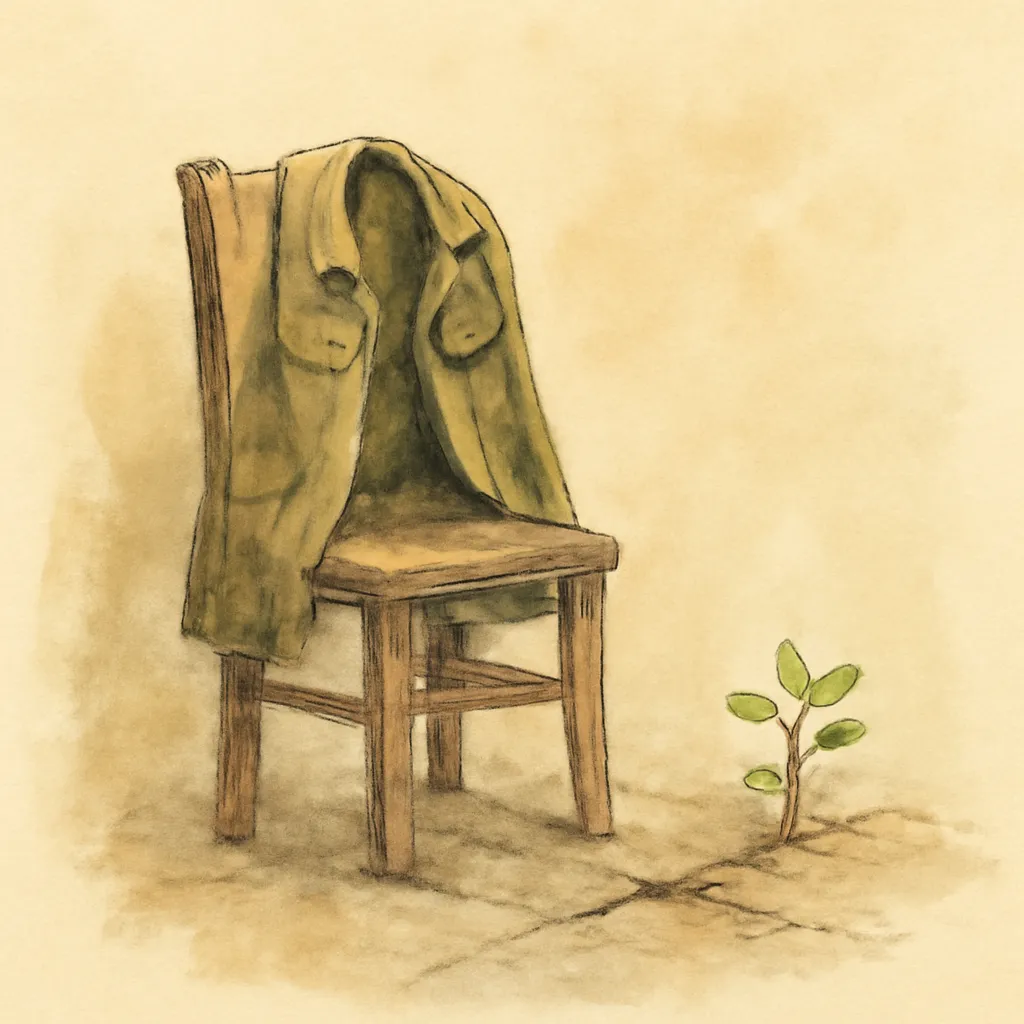
The transition from battlefield to civilian life is fraught with challenges. Sherman discusses how Stoic principles can help veterans regain a sense of agency and purpose, but also stresses the importance of community, ritual, and acknowledgment of suffering. Healing, she suggests, is a collective responsibility.