

Description and travel · Voyages and travels · History
The Travels of Marco Polo by Marco Polo — Summary, Key Ideas & Quotes
1818376 pages✦ 3-min Big ideas★ 3.7 (3)
Rate it
Join the 13th century merchants Marco, Niccolo and Maffeo Polo as they journey from their native city of Venice to the faraway land of Cathay, or China. There, young Marco will meet Kublai Khan, the ruler of the vast Mongolian empire. Read about his many adventures serving the Khan in the lands East of Europe, and his adventures coming back home to Venice. This medieval book, dictated by Marco while imprisoned in Genoa, was one of the inspirations of the Age of Exploration during the Renaissance, and it still intrigues readers today to learn of the Polo's adventures in the far East.
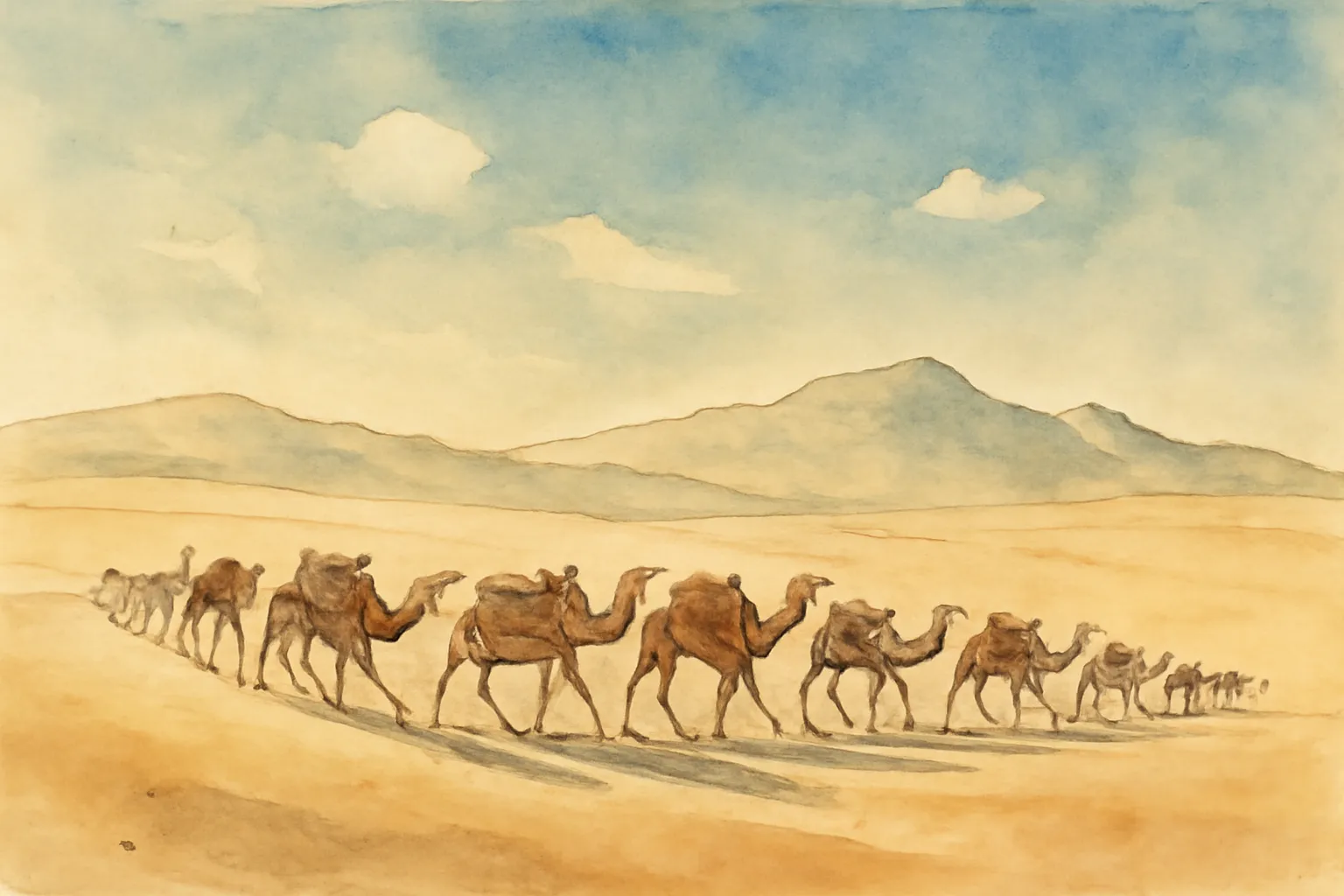
Marco Polo’s narrative is significant as one of the earliest and most detailed European accounts of Asia, especially China under the Mongol Empire. His observations—sometimes accurate, sometimes colored by misunderstanding—helped bridge the knowledge gap between East and West. The book introduced Europeans to customs, technologies, and places previously unknown or shrouded in myth, such as paper money, coal, and the grandeur of Kublai Khan’s court.
Polo’s journey coincided with the height of Mongol power, and his descriptions emphasize the vastness, organization, and cosmopolitan nature of Kublai Khan’s realm. He details the empire’s infrastructure, administration, religious tolerance, and the movement of goods and people across continents. This portrayal challenged European stereotypes of the East and highlighted the Mongol Empire’s role as a facilitator of global exchange.
“I have not told the half of what I saw.”
