1.A Bridge Between Worlds
Marco Polo’s narrative is significant as one of the earliest and most detailed European accounts of Asia, especially China under the Mongol Empire. His observations—sometimes accurate, sometimes colored by misunderstanding—helped bridge the knowledge gap between East and West. The book introduced Europeans to customs, technologies, and places previously unknown or shrouded in myth, such as paper money, coal, and the grandeur of Kublai Khan’s court.
2.The Power and Diversity of the Mongol Empire
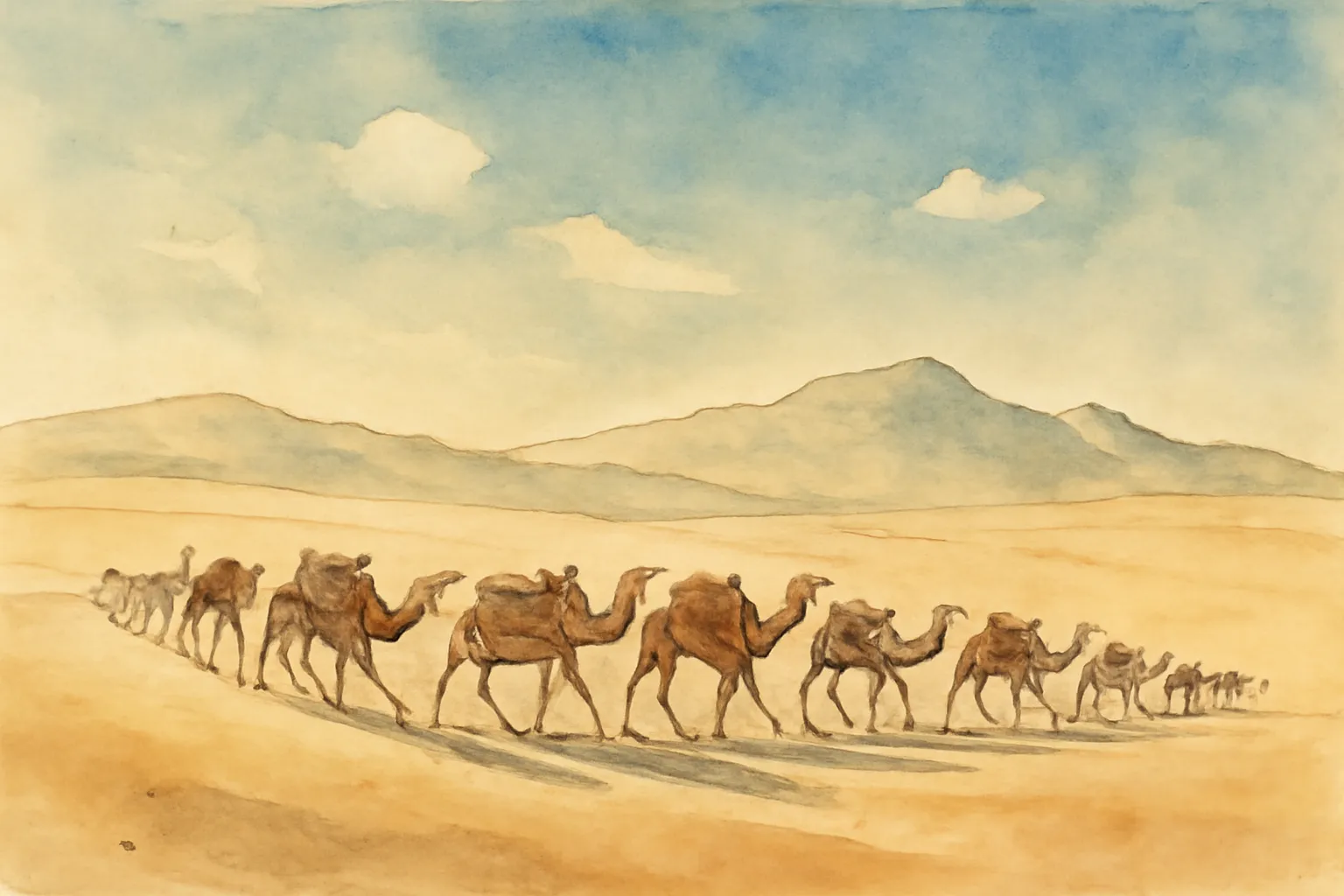
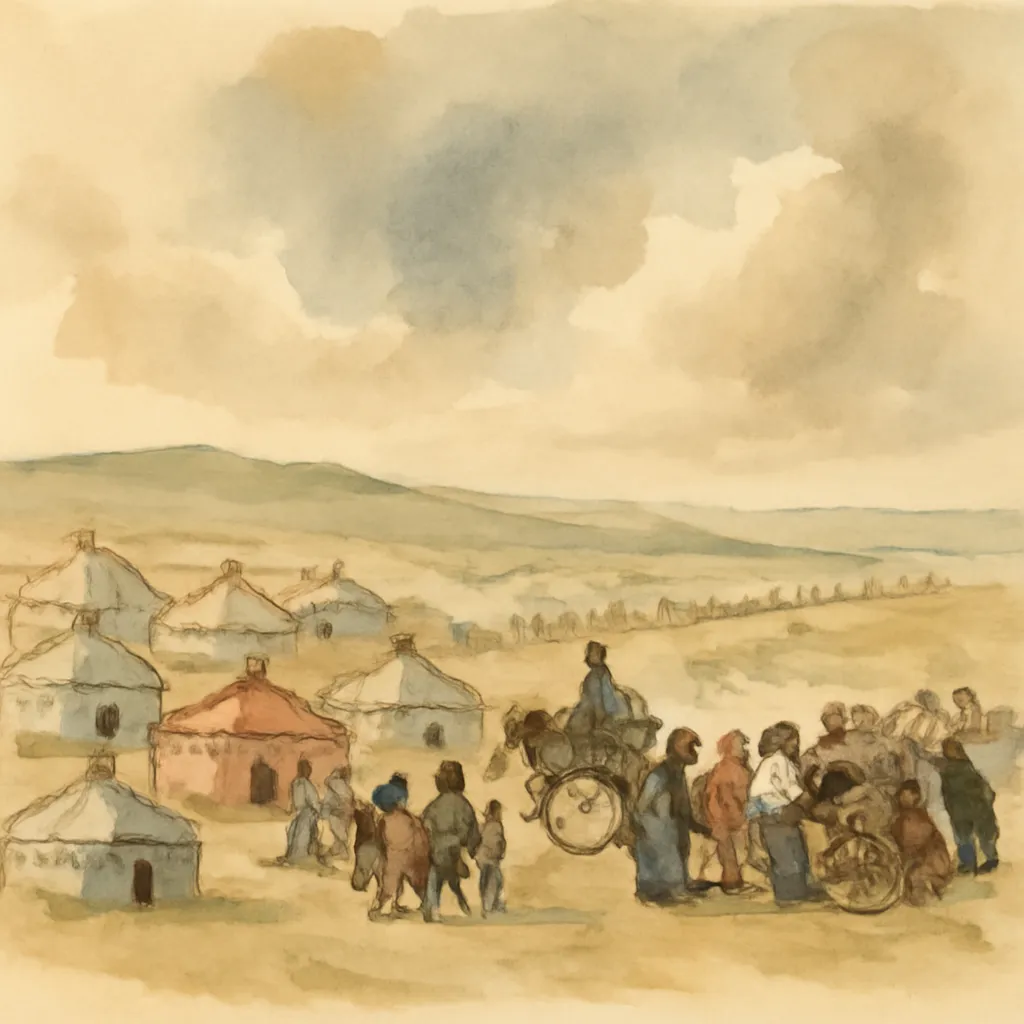
Polo’s journey coincided with the height of Mongol power, and his descriptions emphasize the vastness, organization, and cosmopolitan nature of Kublai Khan’s realm. He details the empire’s infrastructure, administration, religious tolerance, and the movement of goods and people across continents. This portrayal challenged European stereotypes of the East and highlighted the Mongol Empire’s role as a facilitator of global exchange.
3.Cultural Encounter and Adaptation
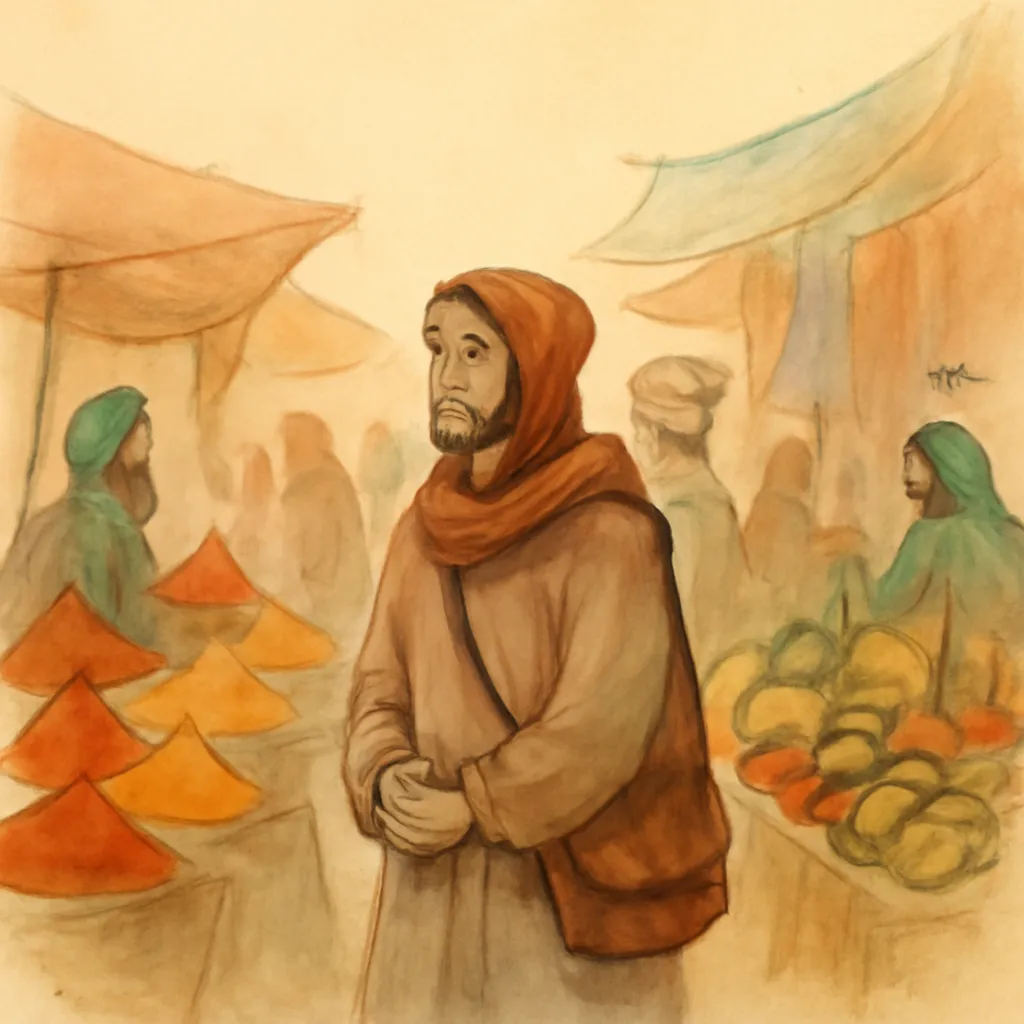
Throughout his travels, Polo demonstrates a keen eye for cultural difference and an ability to adapt. He describes not just what he sees, but how he and his family must adjust to new languages, customs, and expectations. The narrative is as much about the transformation of the traveler as it is about the lands traversed, offering insights into the challenges and rewards of cross-cultural engagement.
4.Fact, Fantasy, and the Limits of Knowledge
The Travels is famous for blending credible observation with hearsay, marvels, and exaggerations. Polo’s accounts of strange animals, peoples, and customs sometimes strain credulity, reflecting both the limits of medieval knowledge and the appetite for wonder. This ambiguity has fueled debates about what he truly saw, but also underscores the book’s role in shaping European imagination about the wider world.
5.The Book’s Impact on Exploration and Worldview
Polo’s work became a bestseller in its time and a key text for later explorers, including Christopher Columbus. It expanded the horizons of European readers, providing both practical information and inspiration for the Age of Exploration. The Travels helped shift the European worldview from insularity toward curiosity and ambition on a global scale.
6.The Nature of Travel and Storytelling
Dictated while Polo was a prisoner, the book is as much a product of its author’s circumstances as of his travels. It blends reportage with entertainment, aiming to amaze as well as inform. This raises questions about the nature of travel writing, the reliability of memory, and the interplay between fact and narrative artifice.