

The Voyage of the Beagle by Charles Darwin — Summary, Key Ideas & Quotes
2017266 pages✦ 3-min Big ideas
Rate it
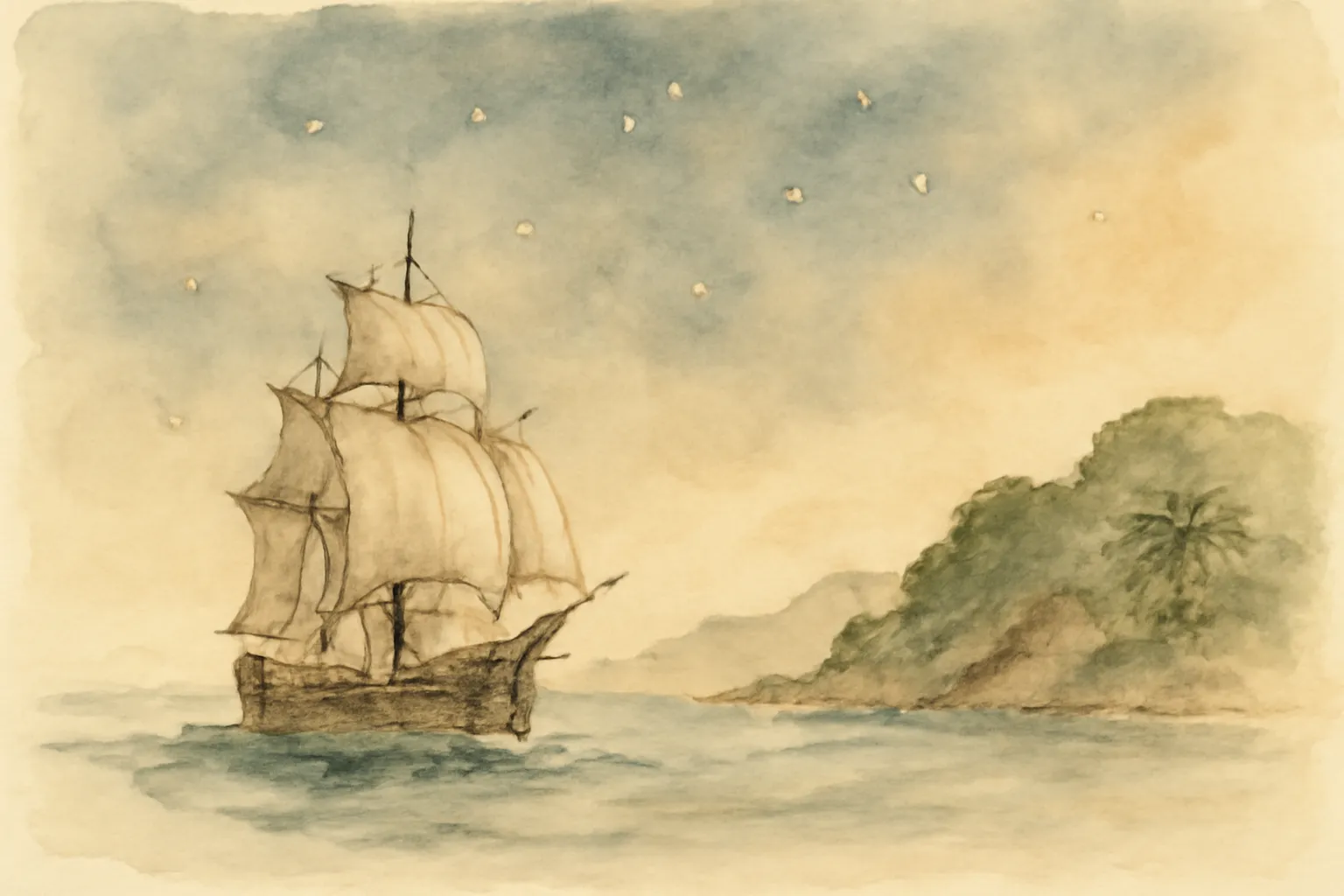
The Voyage of the Beagle Charles Darwin The Beagle sailed from Plymouth Sound on 27 December 1831 under the command of Captain Robert FitzRoy. While the expedition was originally planned to last two years, it lasted almost five--the Beagle did not return until 2 October 1836. I have stated in the preface to the first Edition of this work, and in the Zoology of the Voyage of the Beagle, that it was in consequence of a wish expressed by Captain Fitz Roy, of having some scientific person on board, accompanied by an offer from him of giving up part of his own accommodations, that I volunteered my services, which received, through the kindness of the hydrographer, Captain Beaufort, the sanction of the Lords of the Admiralty. AFTER having been twice driven back by heavy southwestern gales, Her Majesty's ship Beagle, a ten-gun brig, under the command of Captain Fitz Roy, R. N., sailed from Devonport on the 27th of December, 1831. The object of the expedition was to complete the survey of Patagonia and Tierra del Fuego, commenced under Captain King in 1826 to 1830,--to survey the shores of Chile, Peru, and of some islands in the Pacific--and to carry a chain of chronometrical measurements round the World. On the 6th of January we reached Teneriffe, but were prevented landing, by fears of our bringing the cholera: the next morning we saw the sun rise behind the rugged outline of the Grand Canary island, and suddenly illuminate the Peak of Teneriffe, whilst the lower parts were veiled in fleecy clouds. This was the first of many delightful days never to be forgotten. On the 16th of January, 1832, we anchored at Porto Praya, in St. Jago, the chief island of the Cape de Verd archipelago.
Darwin’s detailed, almost obsessive, observations of plants, animals, geology, and people are the backbone of this book. He demonstrates how patient, open-minded attention to the natural world can yield insights that challenge accepted wisdom. Rather than simply collecting specimens, Darwin reflects on what he sees, compares regions, and asks questions that set the stage for later breakthroughs. The book is as much about learning to see as it is about what is seen.
Throughout his travels, Darwin notices patterns and similarities among species in different regions, particularly on the Galápagos Islands. He begins to suspect that species are not fixed, but related and adaptable to their environments. This early recognition of the interconnectedness and variability of life foreshadows his later work on natural selection, making the book a crucial prelude to On the Origin of Species.
“It is not the strongest of the species that survive, nor the most intelligent, but the one most responsive to change.”
“A naturalist’s journey may yield more than a thousand books of theory.”


