1.Observation as a Scientific Tool
Darwin’s detailed, almost obsessive, observations of plants, animals, geology, and people are the backbone of this book. He demonstrates how patient, open-minded attention to the natural world can yield insights that challenge accepted wisdom. Rather than simply collecting specimens, Darwin reflects on what he sees, compares regions, and asks questions that set the stage for later breakthroughs. The book is as much about learning to see as it is about what is seen.
2.Interconnectedness of Life
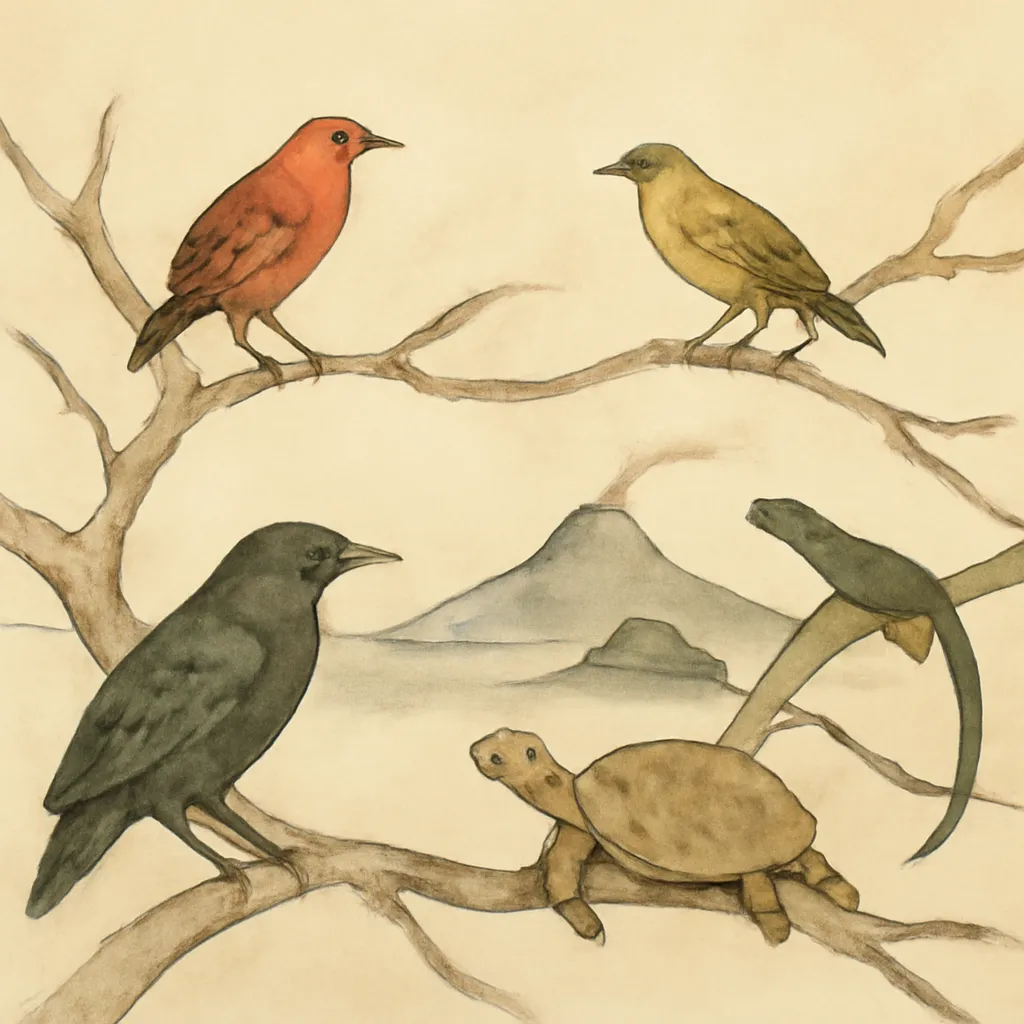
Throughout his travels, Darwin notices patterns and similarities among species in different regions, particularly on the Galápagos Islands. He begins to suspect that species are not fixed, but related and adaptable to their environments. This early recognition of the interconnectedness and variability of life foreshadows his later work on natural selection, making the book a crucial prelude to On the Origin of Species.
3.The Impact of Place and Environment
Darwin’s encounters with diverse climates and geographies—from the jungles of Brazil to the windswept plains of Patagonia—highlight how environment shapes both organisms and human societies. He is constantly struck by the adaptations of plants and animals to their surroundings, and by the ways local cultures have developed in response to their environments. This theme underscores the dynamic relationship between life and place.
4.Challenging Eurocentric Perspectives
While a product of his time, Darwin’s writing often questions European superiority and colonial attitudes. He describes indigenous peoples and their customs with a mix of curiosity, empathy, and sometimes critique of colonial exploitation. His reflections on slavery in Brazil, for example, are deeply critical, revealing a growing moral awareness that parallels his scientific questioning.
5.The Spirit of Discovery and Adventure
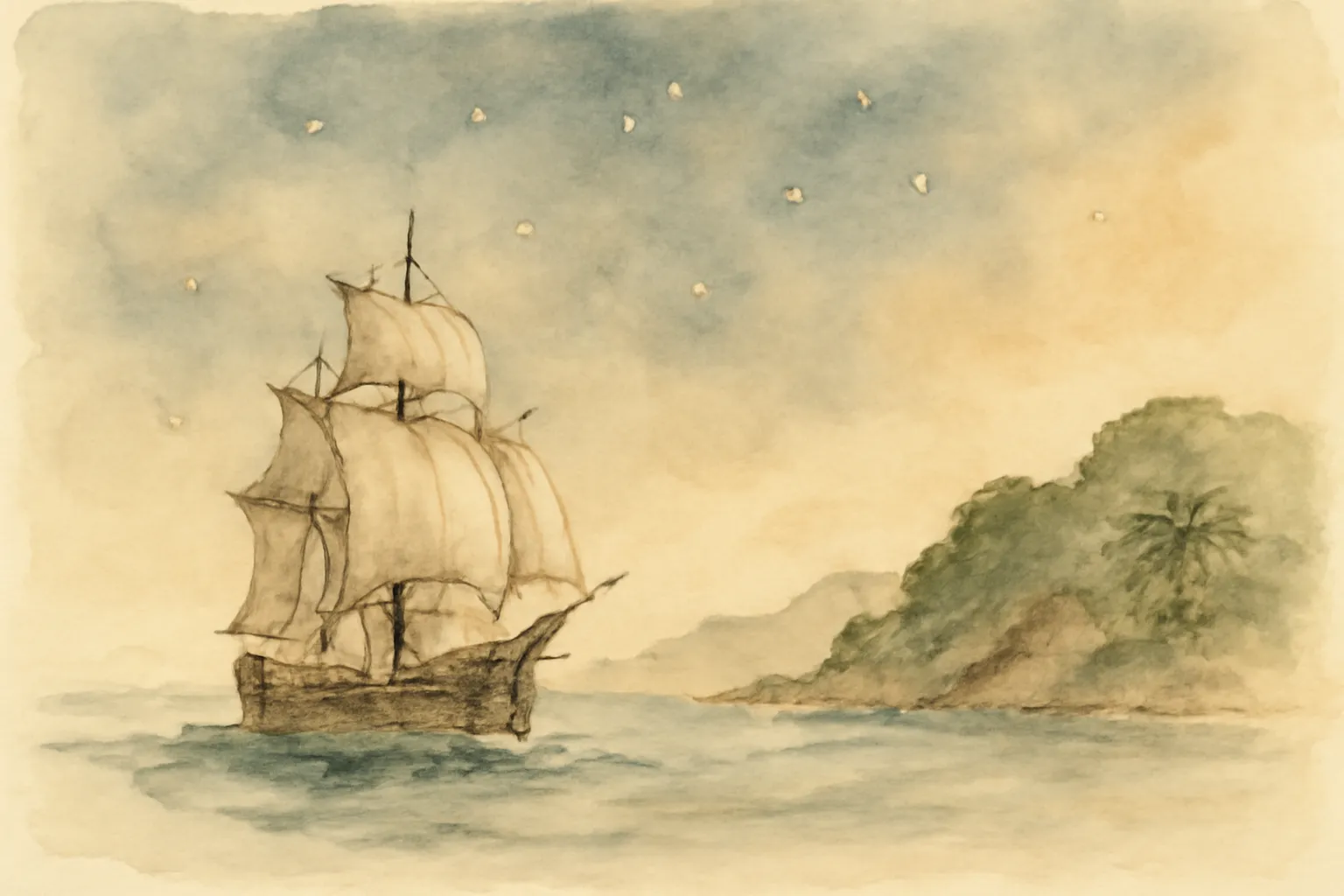
The Voyage of the Beagle is also a classic adventure story—storms at sea, encounters with exotic wildlife, and the thrill of exploring unknown lands. Darwin’s youthful enthusiasm and sense of wonder are contagious, making the book not just a scientific document but a narrative of personal growth and intellectual excitement.
6.Laying the Groundwork for Evolutionary Theory
Although Darwin does not present the theory of evolution outright in this book, his observations and the questions he raises are foundational. Readers can trace the intellectual journey that would culminate in his revolutionary ideas about natural selection. The book provides a rare glimpse into the process of scientific discovery, showing how big ideas are built from careful, cumulative observation.