

Diffusion of innovations · Social aspects · Globalization
The World Is Flat by Thomas L. Friedman — Summary, Key Ideas & Quotes
2005512 pages✦ 3-min Big ideas★ 3.1 (27)
Rate it
When scholars write the history of the world twenty years from now, what will they say was the most crucial development at the dawn of the 21st century--the attacks of 9/11, or the convergence of technology and events that allowed India, China, and so many other countries to become part of the global supply chain for services and manufacturing, creating an explosion of wealth in the middle classes of the world's two biggest nations, and giving them a huge new stake in the success of globalization? And with this "flattening" of the globe, has the world gotten too small and too fast for human beings and their political systems to adjust in a stable manner? Friedman explains how the flattening of the world happened; what it means to countries, companies, communities, and individuals; and how governments and societies can, and must, adapt.
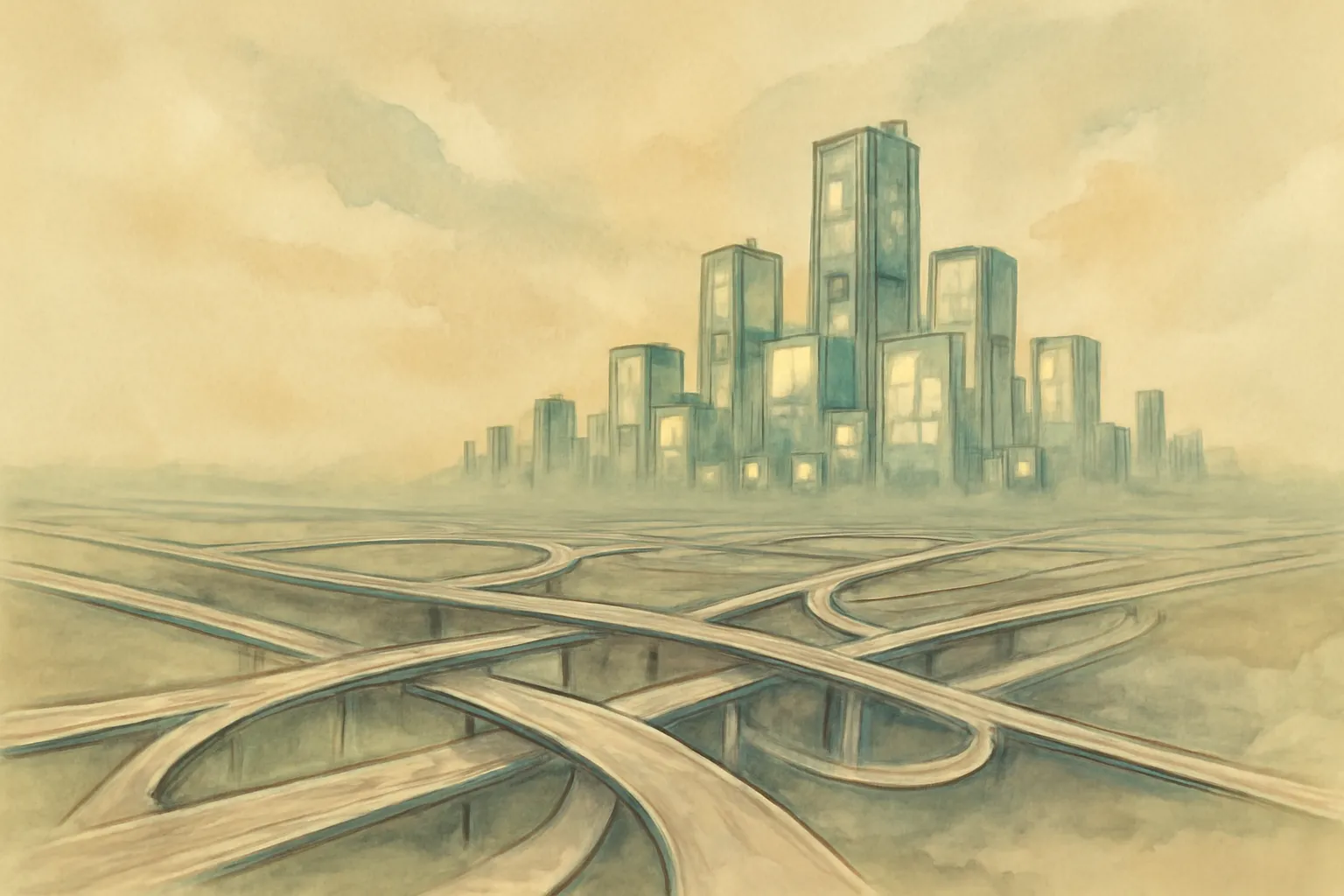
Friedman's central metaphor—that the world is 'flat'—describes how advances in communication and technology have removed traditional barriers to competition and collaboration. The rise of the internet, workflow software, and global supply chains means that individuals and companies from anywhere can now compete and collaborate on a more equal footing. This flattening has profound implications for economic opportunity, but also for job security and national competitiveness.
Friedman identifies ten key 'flatteners'—technological and political developments that have accelerated globalization. These include the fall of the Berlin Wall, the rise of the internet, outsourcing, offshoring, and the emergence of new software platforms. Each flattener has contributed to the integration of markets and the decentralization of power, making it possible for more people to participate in the global economy.
“The world is flat.”
“When the world is flat, you can innovate without having to emigrate.”
