1.The 'Flattening' of the World
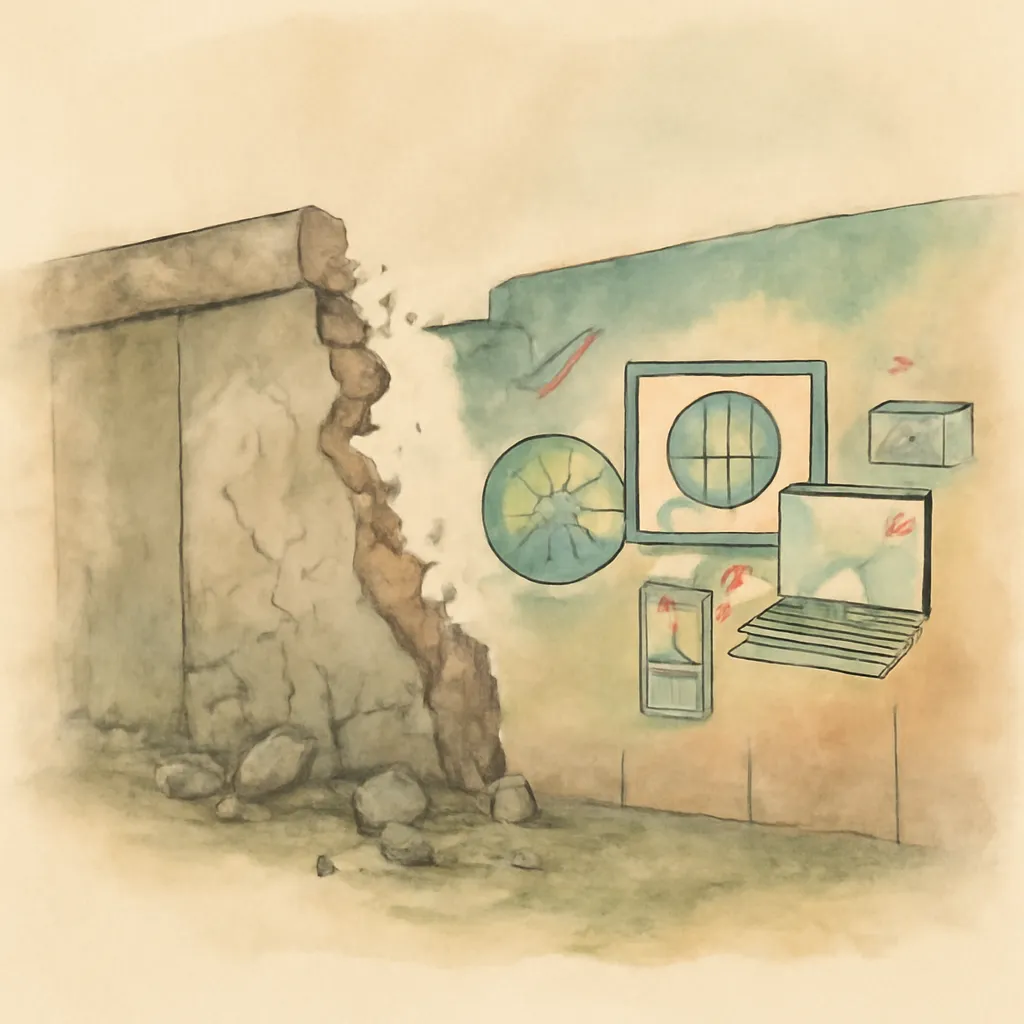
Friedman's central metaphor—that the world is 'flat'—describes how advances in communication and technology have removed traditional barriers to competition and collaboration. The rise of the internet, workflow software, and global supply chains means that individuals and companies from anywhere can now compete and collaborate on a more equal footing. This flattening has profound implications for economic opportunity, but also for job security and national competitiveness.
2.Ten Flatteners: Forces Driving Globalization
Friedman identifies ten key 'flatteners'—technological and political developments that have accelerated globalization. These include the fall of the Berlin Wall, the rise of the internet, outsourcing, offshoring, and the emergence of new software platforms. Each flattener has contributed to the integration of markets and the decentralization of power, making it possible for more people to participate in the global economy.
3.The Triple Convergence
A critical insight is the 'triple convergence': the coming together of new technology, new ways of doing business, and the entry of billions of new workers from countries like India and China into the global workforce. This convergence has amplified the effects of flattening, creating both unprecedented opportunities and intense new competition.
4.Implications for Education and Workforce
In a flat world, the skills needed to succeed are changing. Friedman argues that education systems must adapt to prepare students for a global, knowledge-based economy. Lifelong learning, adaptability, and the ability to collaborate across cultures are more important than ever. Those who fail to adapt risk being left behind by the pace of change.
5.Challenges and Inequalities
While globalization has lifted millions out of poverty, it has also created new inequalities and anxieties. Not everyone benefits equally from a flat world; some industries and workers are displaced, and entire communities can be left behind. Friedman urges societies to address these disparities through smart policies and investment in human capital.
6.The Role of Governments and Institutions
Friedman emphasizes that governments and institutions play a crucial role in helping citizens adapt to the flat world. This includes investing in education, infrastructure, and social safety nets, as well as fostering innovation and openness. The ability of societies to respond to rapid change will determine their future prosperity and stability.