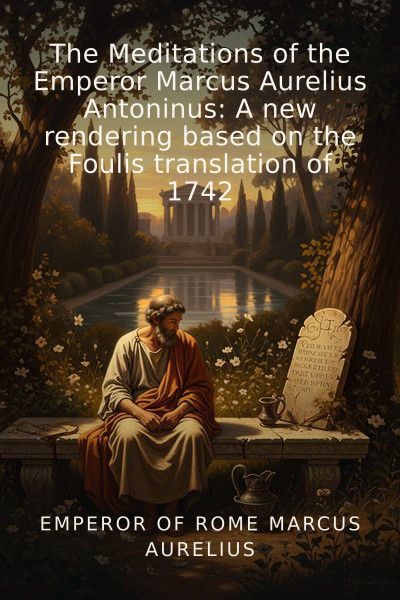

Marcus Aurelius unveils the timeless wisdom of Stoic philosophy, guiding us on how to live virtuously amidst life's chaos
Read full overviewShow less›
The meditations of Marcus Aurelius offer profound insights into the human experience, emphasizing the importance of virtue, rationality, and harmony with nature. As a Roman Emperor and Stoic philosopher, he reflects on his personal journey, his education, and the virtues he learned from those around him. Readers will find practical advice on how to cultivate inner peace, maintain moral integrity, and accept the inevitability of death. This book serves as a timeless guide for anyone seeking to navigate the complexities of life with dignity and purpose. Through Marcus' reflections, we learn that the path to a fulfilling life lies in our responses to external events rather than the events themselves.
Marcus Aurelius' 'Thoughts' serves as a profound guide for navigating the complexities of life through the lens of Stoic philosophy. His reflections challenge us to cultivate virtue, embrace adversity, and accept the natural order of the universe. By prioritizing reason, community, and inner peace, we can lead lives of purpose and fulfillment. As we grapple with our own challenges, Marcus' timeless wisdom encourages us to rise above the chaos, find tranquility within, and live authentically. His teachings remind us that while we cannot control external circumstances, we can control our responses, leading to a life rich with meaning and integrity.
- 1The Influence of Education
- 2Living According to Nature
- 3The Transience of Life
- 4Embracing Adversity
- 5The Power of Perspective
Notable quotes
“Remember that all is opinion.”
“A man should always have these two rules in readiness; the one to do only whatever the reason of the ruling and legislating faculty may suggest for the use of men; the other, to change thy opinion, if there is any one at hand who sets thee right and moves thee from any opinion.”
“Everything is only for a day, both that which remembers and that which is remembered.”
A glimpse inside

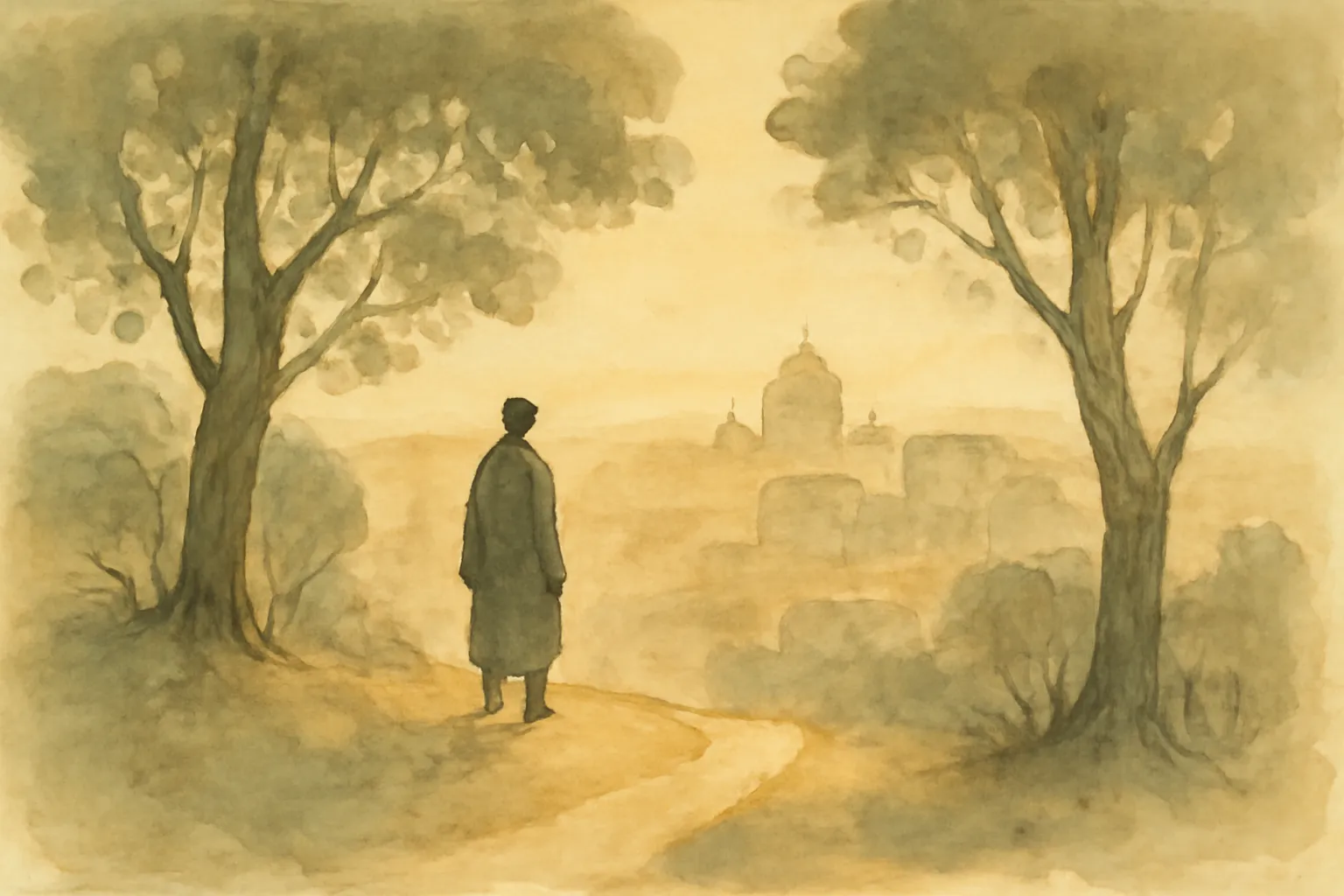
Marcus Aurelius credits much of his character and philosophy to the teachers and mentors who shaped him. He reflects on the virtues instilled in him by his family, partic… Read moreMarcus Aurelius credits much of his character and philosophy to the teachers and mentors who shaped him. He reflects on the virtues instilled in him by his family, particularly his mother and father, who taught him piety, beneficence, and the importance of self-restraint. He mentions the influence of his grandfather, great-grandfather, and adoptive father, Antoninus Pius, highlighting their roles in providing him with moral guidance. The teachings of philosophers like Diognetus and Apollonius further cemented his Stoic beliefs, emphasizing the value of inner strength and rational thought over external validation. Marcus learned that virtue is better than wealth, and that the right way of living is marked by a commitment to the common good. By recognizing the contributions of others, Marcus highlights the interconnectedness of human experience and the importance of gratitude in shaping one’s character. His reflections remind us that education is not merely academic but encompasses moral and ethical teachings that shape our lives. Show less
A central tenet of Stoicism that Marcus expounds upon is the idea of living in accordance with nature. He asserts that understanding one’s place within the universe is cr… Read moreA central tenet of Stoicism that Marcus expounds upon is the idea of living in accordance with nature. He asserts that understanding one’s place within the universe is crucial to achieving peace of mind. This perspective encourages individuals to accept the natural order of things, including life's impermanence and the inevitability of death. Marcus argues that by aligning our actions with nature, we can cultivate a life of purpose and fulfillment. He defines living according to nature as acting justly and exercising self-control, recognizing that external events are beyond our control while our responses to them are within our power. The concept of nature serves as a moral compass, guiding our decisions and actions towards a harmonious existence. Marcus urges us to consider how our decisions harmonize with the greater cosmos, suggesting that when we do so, we can achieve true contentment and peace. Living in this manner allows us to foster a deeper connection with the universe and develop a sense of belonging within it. Show less
Read the full text — free
About the author
Emperor of Rome Marcus Aurelius has 2 works free to read on Lumina, including The Meditations of the Emperor Marcus Aurelius Antoninus: A new rendering based on the Foulis translation of 1742
All 2 books by Emperor of Rome Marcus Aurelius →