

New York Times reviewed · Nature, effect of human beings on · Human ecology
Under a White Sky: The Nature of the Future by Elizabeth Kolbert — Summary, Key Ideas & Quotes
2021256 pages✦ 3-min Big ideas★ 4.5 (4)
Rate it
Elizabeth Kolbert takes a hard look at the new world we are creating. Along the way, she meets biologists who are trying to preserve the world's rarest fish, which lives in a single tiny pool in the middle of the Mojave; engineers who are turning carbon emissions to stone in Iceland; Australian researchers who are trying to develop a super coral that can survive on a hotter globe; and physicists who are contemplating shooting tiny diamonds into the stratosphere to cool the earth. One way to look at human civilization, says Kolbert, is as a ten-thousand-year exercise in defying nature. In The Sixth Extinction, she explored the ways in which our capacity for destruction has reshaped the natural world. Now she examines how the very sorts of interventions that have imperiled our planet are increasingly seen as the only hope for its salvation.
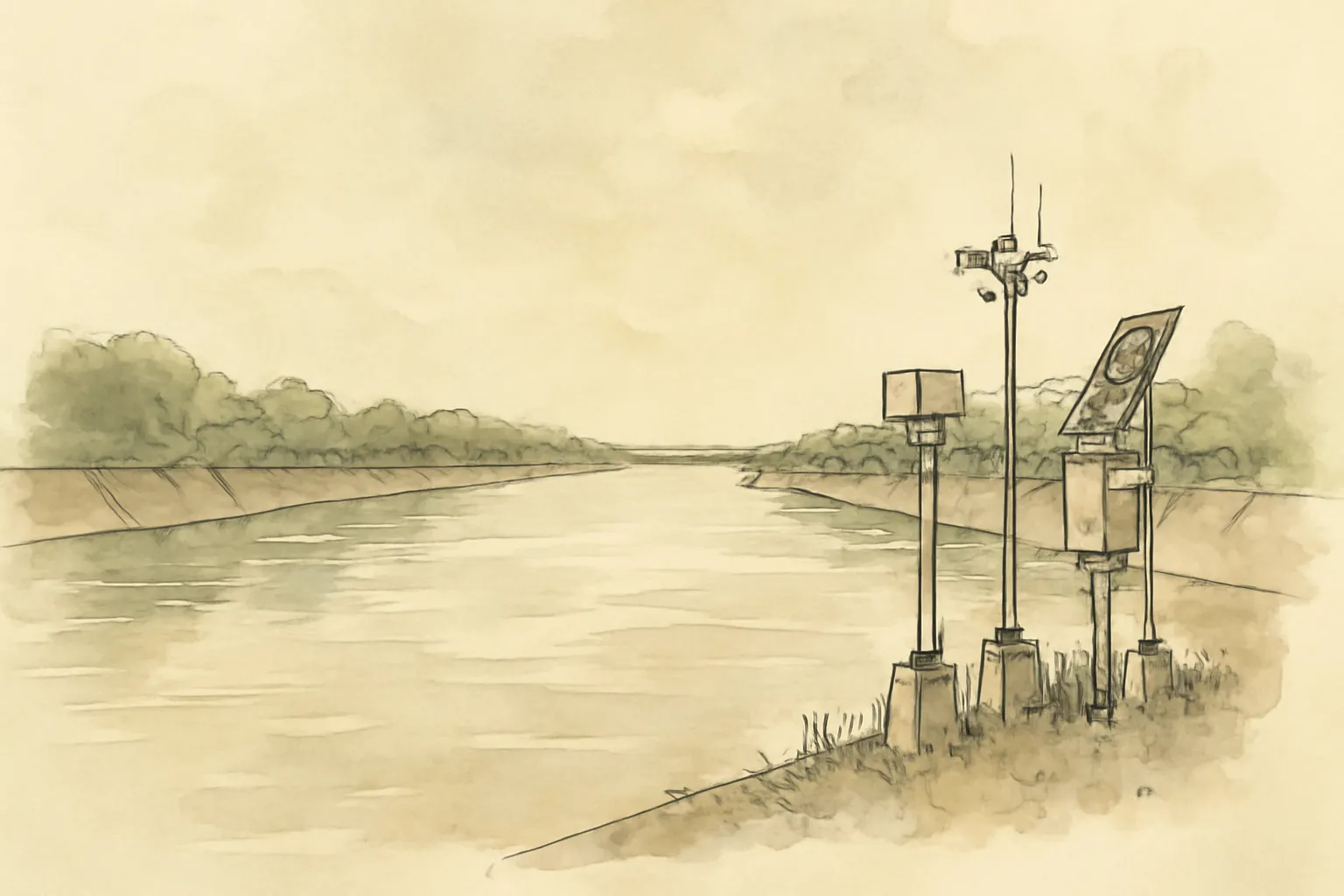
Kolbert highlights how human ingenuity, while responsible for much environmental harm, is now being marshaled to fix the very problems it created. From river engineering to gene editing, she shows that our solutions often require even more manipulation of natural systems. The book asks whether we are trapped in a cycle where each fix leads to new, unforeseen consequences, raising questions about the limits of technological optimism.
Through vivid case studies—like efforts to genetically modify coral or eradicate invasive species with gene drives—Kolbert examines the rise of 'geoengineering' and 'assisted evolution.' These approaches blur the line between preserving nature and redesigning it, forcing us to confront uncomfortable ethical and practical questions about what counts as 'natural' and who gets to decide.
“If there is to be an answer to the problem of control, it’s going to be more control.”
“We are now running so many different experiments at once that we’re not only changing the climate; we’re changing the course of evolution.”
