1.The Paradox of Human Intervention
Kolbert highlights how human ingenuity, while responsible for much environmental harm, is now being marshaled to fix the very problems it created. From river engineering to gene editing, she shows that our solutions often require even more manipulation of natural systems. The book asks whether we are trapped in a cycle where each fix leads to new, unforeseen consequences, raising questions about the limits of technological optimism.
2.Engineering Nature to Save It
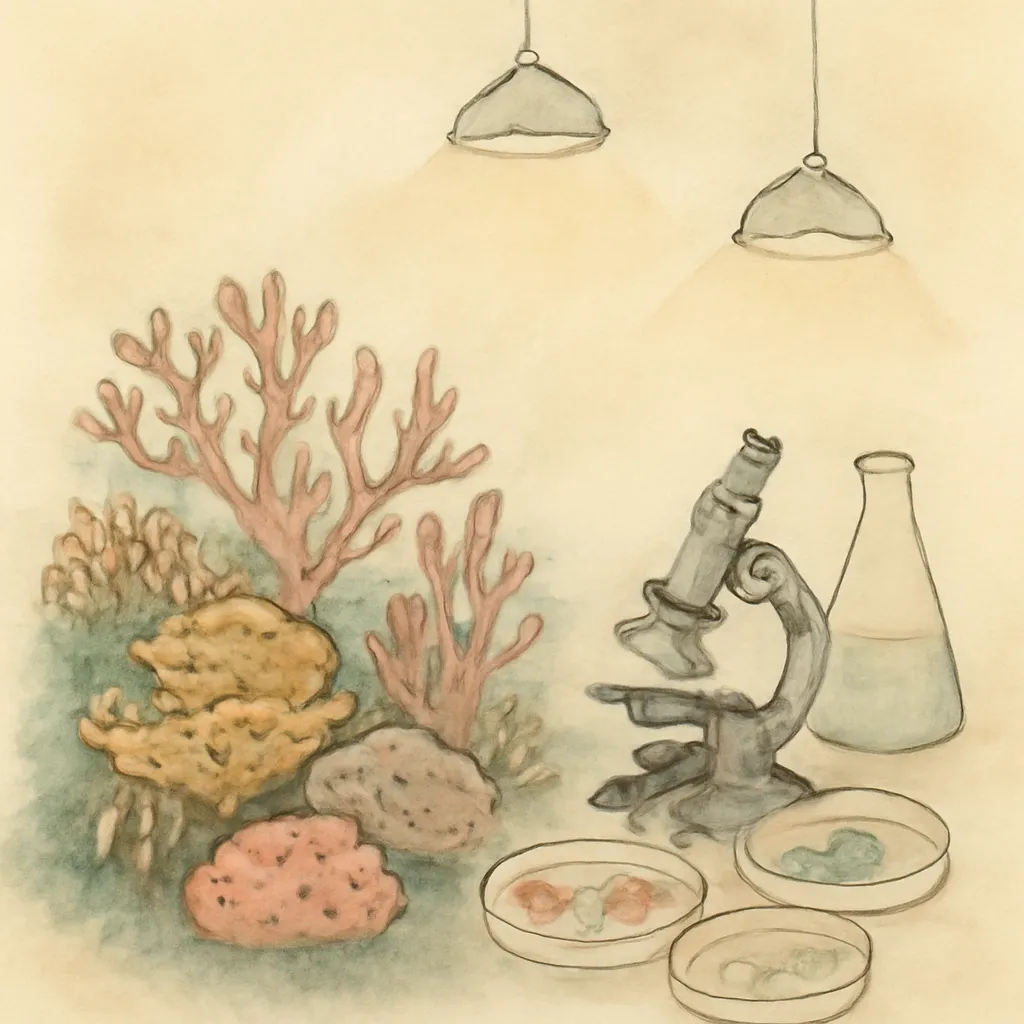
Through vivid case studies—like efforts to genetically modify coral or eradicate invasive species with gene drives—Kolbert examines the rise of 'geoengineering' and 'assisted evolution.' These approaches blur the line between preserving nature and redesigning it, forcing us to confront uncomfortable ethical and practical questions about what counts as 'natural' and who gets to decide.
3.The Unintended Consequences of Good Intentions
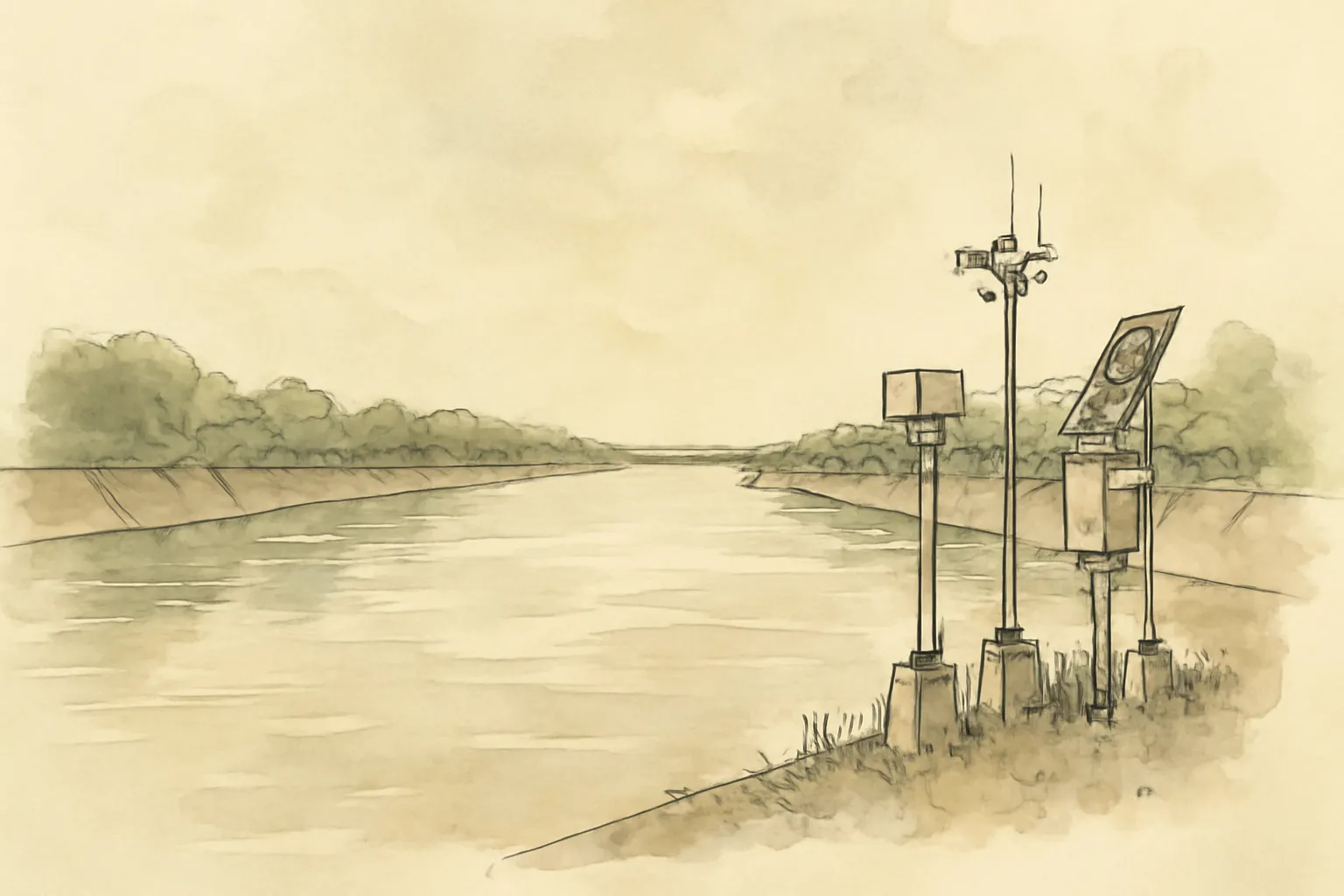
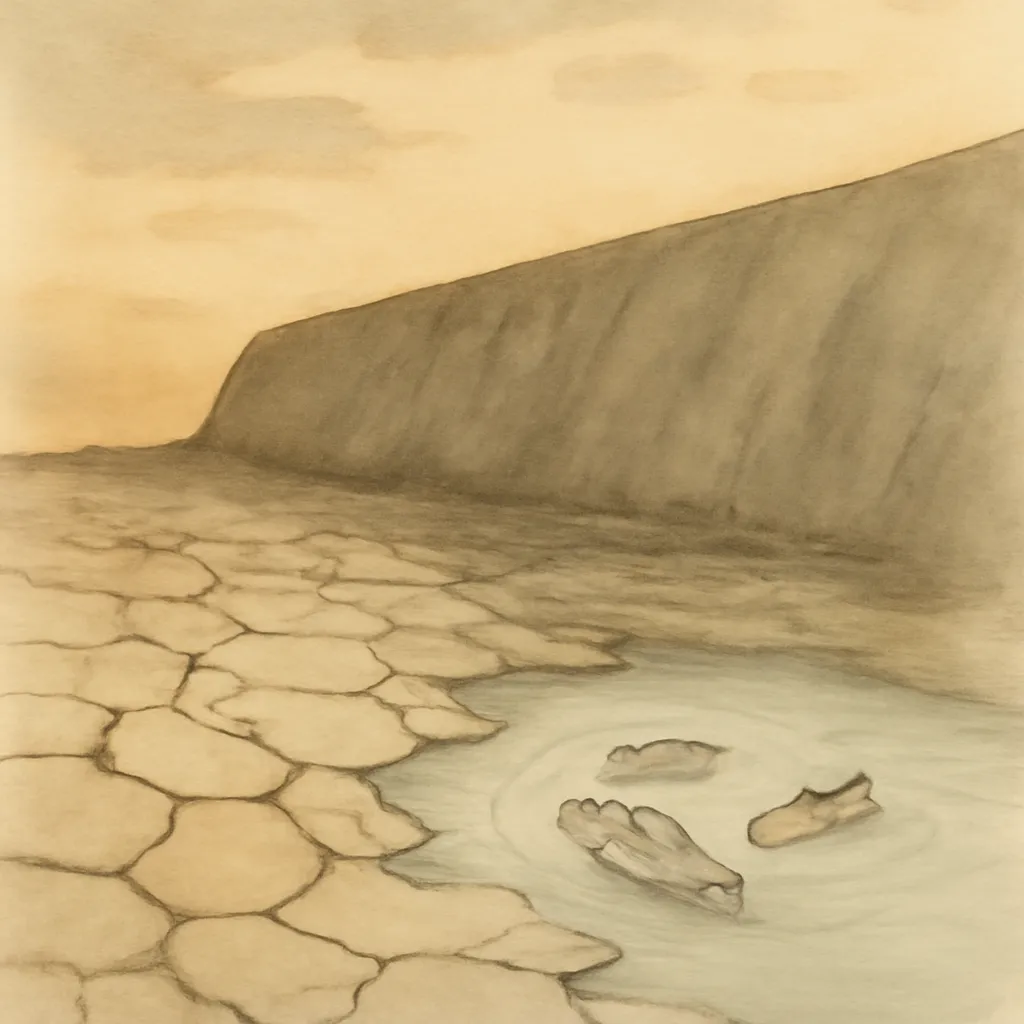
Kolbert repeatedly demonstrates that well-intentioned interventions often backfire. The book’s stories—from the Mississippi River’s engineered levees to the saga of the Devils Hole pupfish—illustrate how attempts to control nature can create cascading effects, sometimes worsening the original problem or spawning new ones. This theme underscores the complexity and unpredictability of ecological systems.
4.Geoengineering: The Ultimate Gamble
One of the book’s most provocative sections explores proposals to cool the planet by reflecting sunlight back into space. Kolbert presents geoengineering as a last-resort measure, fraught with risks and moral hazards. She neither wholly endorses nor rejects these ideas, but she pushes readers to grapple with the profound uncertainties and ethical dilemmas they entail.
5.Redefining the Meaning of 'Nature'
Kolbert’s reporting suggests that the idea of untouched wilderness is increasingly obsolete. As humans alter every corner of the planet, the distinction between natural and artificial blurs. The book invites readers to reconsider what it means to protect nature in a world where intervention is unavoidable, and whether humility or hubris will guide our next steps.
6.Hope, Fatalism, and the Future
Despite its sobering stories, Under a White Sky is not devoid of hope. Kolbert introduces readers to scientists and engineers who are passionate, creative, and determined to make a difference. Yet, she maintains a clear-eyed realism about the scale of the challenges ahead, leaving readers to ponder whether human ingenuity can truly outpace the consequences of its own actions.