

Music, economic aspects · Music trade · Performing arts, vocational guidance
Why Zebras Don't Get Ulcers by Robert Sapolsky — Summary, Key Ideas & Quotes
2004560 pages✦ 3-min Big ideas★ 4.0 (1)
Rate it
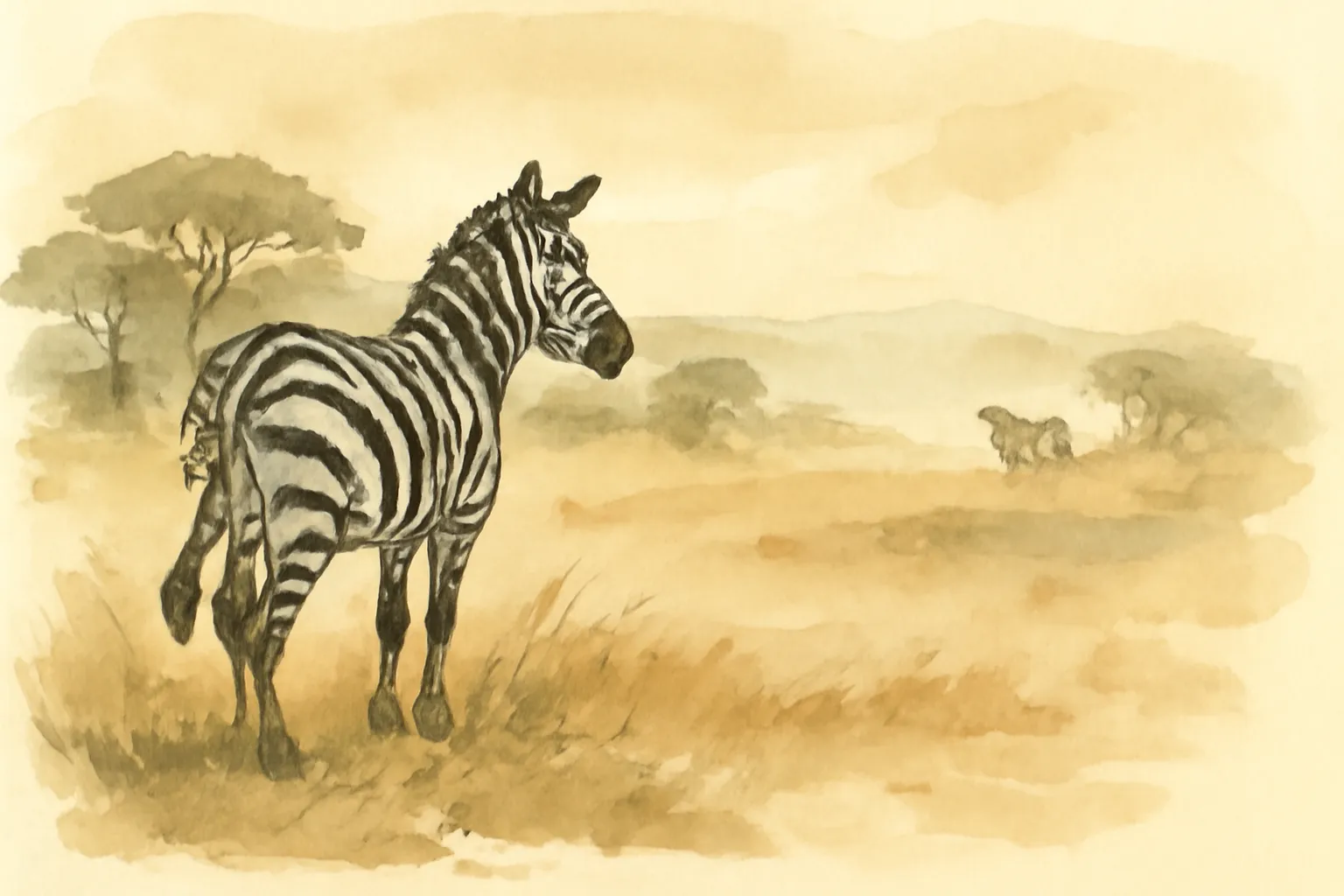
Sapolsky explains that the stress response evolved to help animals survive immediate physical crises, like escaping predators. For zebras, stress is a short, acute burst—run or be eaten—after which the body returns to normal. Humans, however, have the unique capacity to trigger the same physiological stress response for psychological or social reasons, such as worrying about work or the future. This mismatch between ancient biology and modern life is at the heart of many chronic health issues.
Unlike zebras, humans can experience stress for prolonged periods, leading to chronic activation of the body’s stress systems. Sapolsky details how this persistent stress can contribute to a range of illnesses, from cardiovascular disease and diabetes to depression and immune dysfunction. The book draws clear connections between stress and the development or worsening of many modern ailments, emphasizing that our bodies pay a high price for stress that never switches off.
“It is not stress that kills us, it is our reaction to it.”
“The single most important thing to know about stress is that it is not a matter of what happens to you, but how you respond.”
