
The deep dive
The Dawn of Everything
by David Graeber and David Wengrow
18 min read · Original commentary by Lumina, written with AI
- Topic: History
Did people have to give up freedom to build cities and grow food? Graeber and Wengrow argue that they did not. Drawing on archaeology, accounts of other societies, and Indigenous political thought, they ask how people lost the power to leave, refuse orders, and change their shared rules.
Prefer the quick version? Read the main learnings →♫ AI-generated voice · press play below to listen and read along; tap any passage to jump to it
01
A past with more than one path
The Dawn of Everything is nonfiction about the deep human past, with a clear political concern. It disputes a familiar story: small, equal groups became farmers, farmers built cities, and cities needed rulers. It also rejects the rival tale in which states saved people from a life of constant violence. The authors argue that both stories make present forms of power seem harder to change.
Expect an open inquiry, not a new account that settles every question. The authors bring together ancient remains, accounts of living societies, and recorded debates. These sources do different jobs. Some weaken old claims. Others suggest new answers that the evidence cannot yet confirm.
The book shifts attention from who owned more to who could make others obey. A person might enjoy high status but have little power to issue orders. A group might share goods widely yet shut some people out of decisions. Calling either society equal can hide these differences.
Lumina’s reading is that the book asks us to separate working together from being forced to obey. People can organize shared tasks without giving one person lasting control. The puzzle is how some forms of power became hard to escape or change.

Illustrated key idea
Freedom means having real ways out02
When did shared rules become traps?
Three distinct freedoms sit at the centre of this book: the freedom to leave, the freedom to refuse an order, and the freedom to build new social arrangements together. What the authors set out to explain is how people lost them. That is a different puzzle from dating the first appearance of inequality, and the rest of this section turns on the difference. These freedoms overlap, but they are not the same. Someone might move freely yet have little voice in the group they join. A group might choose its leaders but forbid members from rejecting an order.
This shift changes what needs explaining. A leader with power for one task is not necessarily the start of a state. Rank in a ceremony need not shape daily life. The key question is whether people can limit power, step away from it, or change its terms.
The stakes reach beyond ancient history. If farming and large populations must lead to rule from above, growth leaves less room for choice. If they do not, claims that people must accept such rule need better support. The book does not show that every appealing option could work anywhere. It argues against ruling options out before studying them.
It also asks readers to separate human nature from the effects of social rules. Asking whether people are born selfish can hide a different question: which rules reward selfish acts? The Indigenous arguments presented here press that point. Money and property may create the harms that rulers then claim to curb.
Lumina sees two linked tasks in the book. One is to challenge a fixed path through history. A clear exception can weaken a claim that everyone must follow that path. The other is to explain why freedom shrank. That needs evidence about causes, timing, and who did what.
Keeping these tasks apart allows a fair judgment. The book may defeat a claim of necessity without fully explaining the rise of lasting domination. Its challenge to an old story and its search for causes need not stand or fall together.
03
Freedom can depend on help from others
One of the book’s strongest ideas challenges the belief that freedom means needing nobody. Its account of Wendat society links personal choice with wide access to mutual help. Leaders relied largely on persuasion. Wealth did not by itself grant a right to command. Sharing food and other needs could thus protect people from having to submit to a powerful provider.
The reasoning is simple. A person with nowhere else to find food, shelter, or care may have little real choice about obeying someone. Other sources of help change that bond. Mutual aid is not just a benefit added to freedom. In some settings, it helps make refusal possible.
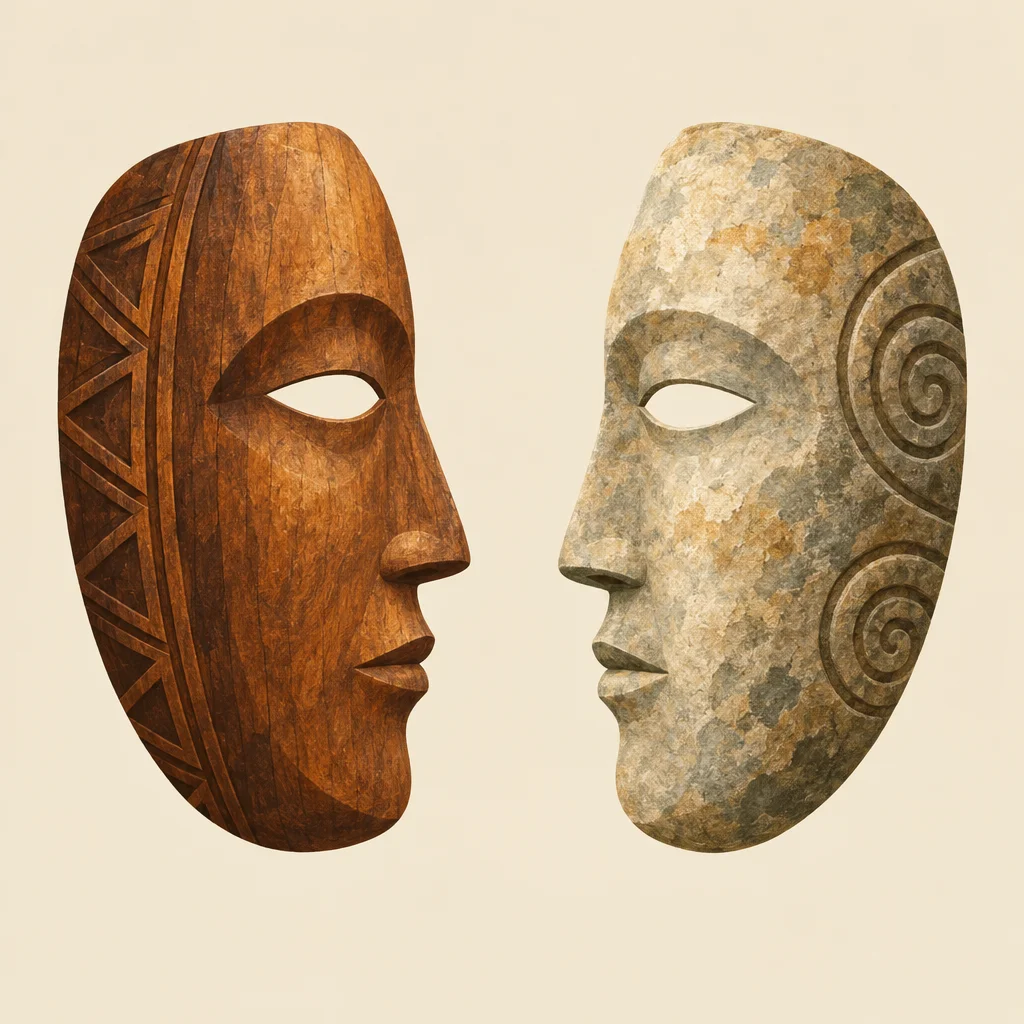
Kandiaronk matters here as a thinker, not merely as an example of another way of life. In the arguments linked to him through Lahontan’s dialogues, European rules help produce the greed and wrongdoing they claim to control. The target is not only the gap between rich and poor. It is the power that wealth gives one person over another.
The authors know that these written dialogues were edited and expanded. They defend the case for a real Indigenous contribution, not a word-for-word record of speech. That limit matters. Taking Kandiaronk’s thought seriously does not require trusting every detail of the text.
The book then examines one way such criticism could be set aside. In its account, Turgot tied Indigenous freedom to a lack of wealth. In that account, prosperity required specialization, and inequality was presented as its necessary consequence. A critic living in the same world as Europeans was recast as a figure from their past. The question changed. Instead of asking whether European rules were good, readers could ask whether the critic’s society had advanced far enough.
Lumina’s interpretation is that this move helps explain the book’s wider concern. Once societies are placed on a ladder, people can rank their ideas before hearing them. Treating Indigenous speakers as fellow thinkers changes the debate. Their views become claims to assess, not signs of an earlier age.
There is an important boundary. The book does not show that shared support always protects choice. Duties can become burdens that people cannot refuse. Public freedom can also exist beside limits based on gender, age, or captive status.
The useful contrast is not freedom versus obligation. It is between duties people can question and dependence that others can exploit. Help expands freedom when it leaves room to say no. It threatens freedom when receiving it means giving another person control over one’s life.
04
Crops and cities do not choose the rules
The second major idea concerns the gap between how people live and how they govern themselves. Graeber and Wengrow do not deny that land, food supplies, or population matter. They deny that these forces dictate one kind of power. People with similar ways of getting food can have very different rules. People with different livelihoods can share similar limits on authority.
Seasonal shifts offer a clear challenge to fixed social types. The book describes groups whose leaders held different powers at different times of year. A shared hunt might require strict orders. Once the hunt ended, that power could be taken apart. People did not have to turn command for one task into a lasting right.
Such examples do not reveal exactly how prehistoric groups lived. They make a narrower point: people can place limits on authority. A large gathering does not tell us how its members lived when apart. Rank during a ceremony may not shape every other bond between them.
Farming raises a similar issue. The authors describe a long period of trials, choices, and partial changes, rather than one sudden switch. People could grow plants while still hunting, fishing, gathering, and moving with the seasons. The book’s ecology of freedom means having enough ways to make a living that no single one becomes a trap.
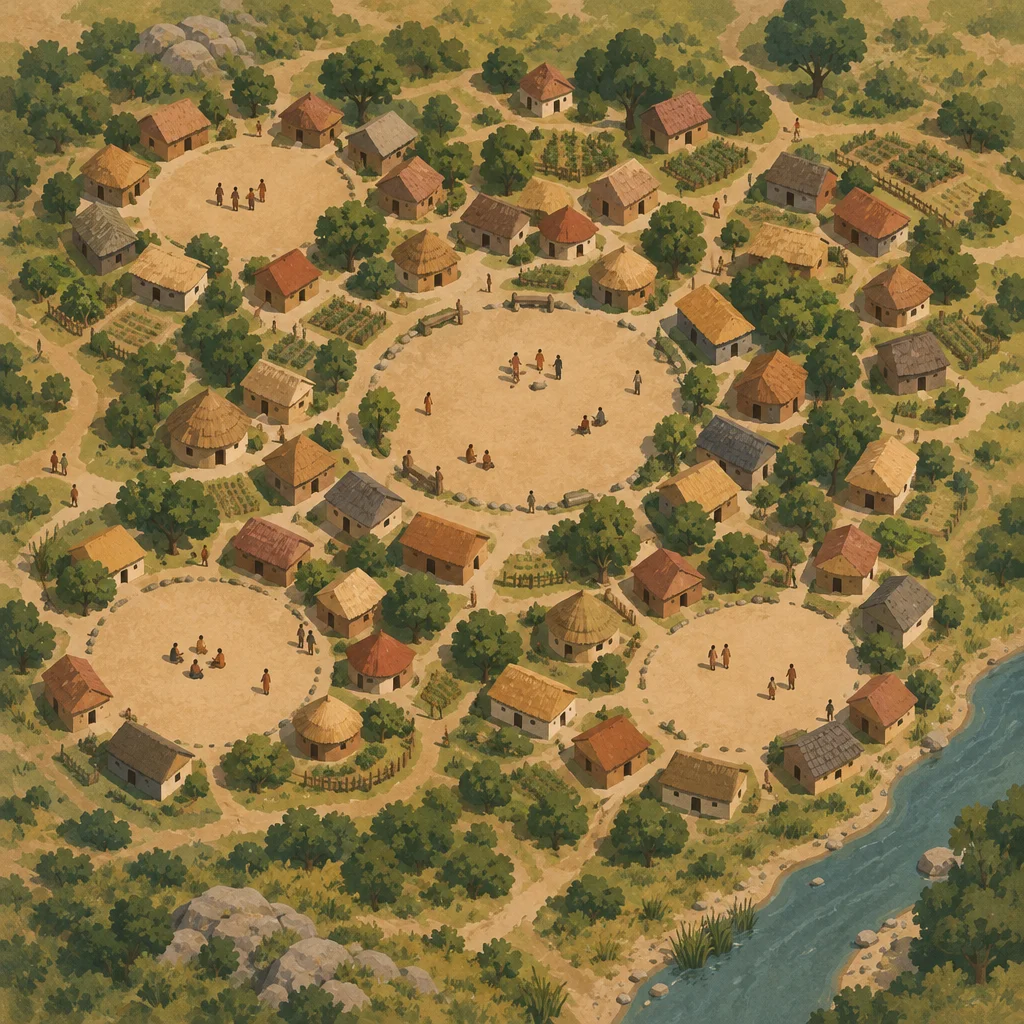
Çatalhöyük gives this argument a concrete base. Its people used crops and domestic animals, while their art gave wild creatures a major place. Houses combined work, storage, and ritual. There is no clear central ruling complex. Yet similar homes do not prove equal power. Some houses held more prestige, and the evidence leaves questions about who had influence.
Cities extend the challenge. Ukrainian mega-sites held many homes and gathering places, with little clear evidence of permanent rulers. Their plans suggest that households and neighbourhoods worked together. But we do not know their precise rules or how their use changed over time. The claim is not that big settlements were always democratic. It is that size alone cannot tell us who made decisions.
Lumina reads these examples through the question of what people could reverse. Adopting a crop need not mean giving up all other foods. Creating an office need not mean keeping it forever. The issue is whether people retain ways to change a commitment or withdraw a power.
Choice was never unlimited. Food, land, conflict, and inherited customs placed real limits on it. Nor did varied livelihoods protect everyone equally. The book’s stronger claim is that these conditions shaped the options without choosing a single outcome. To explain rule, we must study people’s acts and ties as well as their tools and buildings.
Illustrated key idea
Farming and cities did not decide everything05
Power grows when people lose ways out
If crops and cities do not explain lasting domination on their own, what might? The book separates three bases of power: control of violence, control of knowledge, and a leader’s personal appeal. These broadly match the power to impose rule, the power to manage records and duties, and the power to win followers. They need not develop together or reach equally far into daily life.
This helps keep the word state from hiding important differences. A sacred ruler might claim great powers but have little reach beyond a small area. A body that keeps records might not control armed force. A leader might win fame and followers without gaining a permanent right to command.
The point is not that any of these powers is harmless alone. It is that their reach, limits, and links need explaining. Modern states are not the form toward which all earlier groups were moving.
Record-keeping makes the distinction clear. The book describes small communities using accounts to share duties and limit wealth gaps. Keeping records need not begin as a means of control. But a fixed demand backed by force can ignore the needs of the person who must meet it. A flexible duty to help can become a debt that leads to servitude.
Care offers a more troubling route. A household may shelter people who need help. Yet if those people have no outside support, its head can gain arbitrary power over them. A place of safety can become a place they cannot leave on fair terms.
The Pacific Coast cases sharpen this point. The authors argue that nobles sought enslaved workers partly because free followers could leave when asked to do too much. Captivity cut people off from ties that could support refusal. Slavery was thus more than forced labour. It also meant stripping people of recognized claims on others.
Lumina’s reading brings the three freedoms together here. Losing somewhere else to go can make disobedience more dangerous. When people cannot refuse safely, it also becomes harder to join others in changing the rules. Power need not begin as total control to move in that direction.
The boundary is firm: this is not a proven sequence for all societies. Warfare, narrow support networks, sacred knowledge, and household dependence did not always appear in the same order. Some kinds of care sustained choice. Some accounts helped people share fairly.
The sharper questions concern actual reach. What can an office or household head make people do? Who can place limits on that power? What outside ties protect those under it? The book turns our gaze from impressive titles toward the real costs of saying no.
06
Learning to see more than one answer
The book often persuades by stopping an easy leap from an object to a social rule. A valuable item far from where it was made does not tell us how it travelled. A monument does not tell us who ordered it built. A grand building does not prove that a king lived there. These cautions expose how an old story can slip into an argument as if it were evidence.
The movement of goods is a useful anchor. Gifts, ritual journeys, payments to healers, and gambling can all move objects between people. These options do not prove what happened in a given case. They show why location alone cannot prove a market.
The treatment of Mohenjo-daro makes a second distinction. Wealth, ritual standing, and the power to govern are separate things. Good infrastructure and widely spread valuables do not establish royal rule. But the lack of a securely identified king does not prove equality. Rank based on ritual purity remains possible. Incomplete digs and an unread script limit what can be said.
The authors also combine kinds of evidence that answer different questions. Accounts of other societies show forms of life that people have practiced. Ancient remains reveal patterns in buildings, objects, and bodies. Recorded debates offer access to political thought, though writers and editors can shape that access.
Lumina finds this method strongest when comparison opens up a question rather than closing it. A known case of seasonal leadership shows that temporary command is possible. It cannot prove that a much older gathering place used the same rules. Readers should keep that gap in view.
The book’s wide range gives its challenge force. Many contrasts put pressure on a simple path through history. Yet they can also make evidence of different strength seem equally firm. A written account of debate and a possible reading of a building do not offer the same support.
A useful way to read the original is to track each kind of claim. Are the authors rejecting an old inference, proposing an option, or defending an account of what happened? Those moves can look alike in a broad argument. Telling them apart reveals both the book’s strength and what remains open.
07
More possible paths still leave a puzzle
Lumina’s strongest objection is that finding alternatives does not explain why one path prevailed. Showing that cities did not always need kings leaves another question: how did kings gain power in particular cities? Showing that farming could remain flexible does not tell us what ended that flexibility elsewhere.
There is also a risk in placing many uncertain cases under one strong claim. Several possible readings do not become a proven pattern just because they point in the same direction. Where few records survive, missing signs of kingship can mean several things. Royal power may have left few traces. Its forms may remain hard to identify. Or rule may truly have been shared. The book notes such limits, but readers must remember them as cases build up.
The strongest reply, also Lumina’s interpretation, is that a false claim of necessity can block the search for causes. If we assume large groups require rulers, we may never ask how power gathered in certain hands. Challenging that belief does not replace a causal account. It clears space to seek one.
The book can therefore succeed without proving every proposed reading of the past. Its challenge is strongest where things often grouped together can be shown to come apart. Records need not mean total control. Crops need not mean a central ruler. Prestige need not grant a right to command. These distinctions weaken an automatic sequence.
A further tension concerns choice. Treating earlier people as political thinkers corrects the image of humans pushed helplessly along by tools and crops. But deliberate social change does not mean that all members had a voice. The book’s own cases include household abuse, male control, and unequal access to sacred knowledge.
The fair middle ground is not that people chose every condition or that outside forces chose everything for them. People made rules under pressure, with unequal power to shape the result. Lumina’s assessment is that the book opens this space more fully than it explains why some arrangements lasted. That is a real limit. It need not erase the value of the questions the book makes possible.
08
Borrow better questions, not an ancient plan
The book’s ideas meet at one question: does working together leave people room to act otherwise? Shared support can make refusal safer. Varied food sources can reduce dependence. Limits on offices can stop temporary command from becoming a lasting right. None assures freedom, but each points toward conditions that make choice real.
Lumina suggests using these ideas as questions, not as a plan to copy from the past. What does a leader actually control? Can someone refuse a demand without losing basic support? Can they turn to other people? Can members change the rules, or only replace the person enforcing them?
Consider an imagined example created by Lumina. A local group runs a shared workspace. Its coordinator keeps records and assigns tasks. Those jobs alone do not prove domination. Members might revise duties, rotate the office, and find help elsewhere. But suppose the coordinator controls access that members need to earn a living. If they cannot challenge decisions without losing that access, the bond changes. Records and leadership are not the issue by themselves. The issue is how they connect to dependence and force.
This example proves nothing about ancient societies. It simply helps separate two ideas. Coordination means organizing shared tasks. Domination means having power to impose terms that others cannot effectively challenge.
Exit also needs care. Being able to leave can limit a ruler’s power, but leaving is not the only form of freedom. People may wish to stay and change a place they value. The book’s third freedom, making new rules together, prevents escape from becoming the sole answer to abuse.
The most useful application is thus a way to examine power. Look at the ties between resources, knowledge, force, and outside support. Ask which help people cooperate and which make refusal costly. The past broadens those questions. It does not answer them for every setting today.
Illustrated key idea
Indigenous thinkers are part of political theory09
How to disagree without losing the point
Start by separating what the book rejects from what it proposes. It rejects a necessary path from foraging through farming to rule from above. It then offers several ways freedom may have been lost. That is not the same as giving a complete new history.
If someone calls the book romantic, ask which claim they mean. Does a case idealize a society, or does it simply take an Indigenous thinker seriously? The book itself describes slavery, household domination, and limits on who could take part in public life. Those harms matter. They do not make Indigenous political arguments disappear.
If someone says large groups need leaders, separate leadership from an unchecked right to command. The authors need not show that shared work requires no organization. Their question concerns the forms that organization can take and the limits people can set.
Keep one evidence question in play: what would help us choose between rival readings of this case? A burial, building, or settlement plan may allow several answers. Thoughtful disagreement can concern how much confidence an inference deserves, rather than whether the whole book is right or wrong. The original offers the fuller cases through which to test these distinctions.
What to remember
Judge freedom by choices people can use.
The book asks whether people could leave, refuse, and change their rules together. Lumina’s synthesis is that support matters because a right can be hollow. People may be free on paper yet unable to act without losing food, shelter, or care.
Material remains do not come with a political label.
Crops, monuments, records, and large settlements can fit more than one form of rule. They call for questions, not an instant verdict about kings or equality. The authors widen the possible answers without proving that every suggested answer is right.
A challenge to necessity is not a full account of causes.
The book can weaken a fixed story while leaving the rise of domination partly unexplained. It proposes lost support, forced duties, and linked powers as possible causes. Lumina treats these as claims to test across cases, not one proven formula.
Bring it into conversation
Talk about the book
When does help protect freedom, and when does it create dependence?
The Wendat material links shared support with personal choice. Other cases show protection turning into power over those receiving it. Lumina’s reading focuses on whether people can refuse safely and find support elsewhere, rather than treating all help as either freeing or controlling.
Take it further: What would you need to know about a caring relationship before judging its effect on freedom?
What would convince you that a large city had shared government?
Spread-out housing and gathering places may support that view. Missing royal monuments cannot prove it alone. The book invites us to separate evidence against assuming monarchy from evidence that shows how another form of government actually worked.
Take it further: Would records of decisions, access to resources, or clear limits on leaders give you the most confidence, and why?
How much must an alternative prove before it changes how we think?
A credible exception can weaken a claim of necessity without giving us a model to copy. Lumina’s view is that the book expands what deserves study, not what must work. Readers can value that opening while disputing particular cases.
Take it further: Would knowing that an arrangement was possible change your view, or would its costs and exclusions matter more?
Keep in perspective
This account draws on the supplied summaries of the book. They do not allow an independent check of disputed digs, translations, or links between thinkers. No author biography or outside reviews were supplied. Claims about uncertain forms of rule remain open to challenge. Lumina’s judgments are readings of the argument, not settled findings or statements of the authors’ own views.