1.Order vs. Chaos
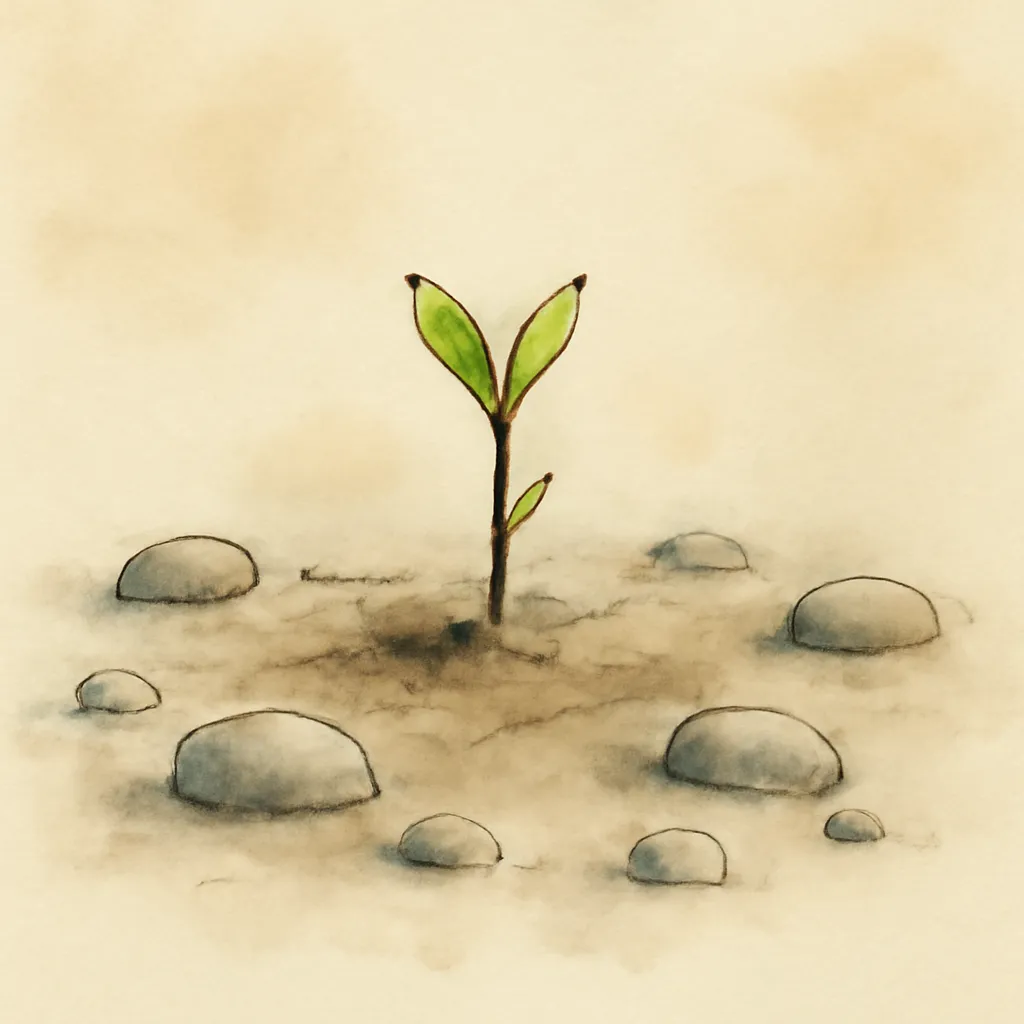
Peterson frames life as a constant tension between order (structure, predictability) and chaos (uncertainty, potential). He argues that meaning is found by walking the line between these forces, not by eliminating one or the other. The rules are designed to help readers establish enough order to thrive, while remaining open to the growth that chaos can bring. This balance, he suggests, is at the heart of psychological well-being and resilience.
2.Personal Responsibility
A central theme is the importance of taking responsibility for your own life. Peterson insists that blaming others or society for your problems leads to bitterness and stagnation. Instead, he urges readers to 'stand up straight with your shoulders back'—a metaphor for facing the world with courage and accountability. By focusing on what you can control, you become an agent of change in your own life and, by extension, in the world.
3.Speak the Truth
Honesty, both with oneself and others, is a recurring motif. Peterson warns against self-deception and the corrosive effects of lies—however small—on the individual and society. He suggests that truth-telling is not just a moral imperative but also a practical necessity for building trust, stability, and authentic relationships. Facing uncomfortable realities, rather than avoiding them, is key to personal growth.
4.Aim High, Start Small
Peterson encourages readers to set meaningful goals, but also to begin with manageable steps—like 'cleaning your room.' This idea is both literal and metaphorical: by putting your immediate surroundings in order, you create a foundation for tackling larger challenges. The discipline of attending to the small things builds competence and confidence for greater ambitions.
5.The Value of Suffering
Rather than denying or fleeing from suffering, Peterson argues that confronting it head-on is essential to growth. Life is inevitably marked by pain, loss, and hardship, but these experiences can be sources of strength and wisdom if met with courage. The book draws from religious, mythological, and psychological sources to show how suffering, accepted and transcended, can lead to meaning.
6.Nurture Yourself and Others
Peterson emphasizes the importance of self-care—not as indulgence, but as a prerequisite for caring for others. He also advocates for surrounding yourself with people who want the best for you, and for being someone who genuinely supports others. Healthy relationships, he suggests, are built on mutual respect, encouragement, and honesty.