1.History as Human Drama
McCullough’s narrative centers on the personal experiences of those involved in the events of 1776, from George Washington to unknown privates. Instead of abstract ideals or distant battles, he brings the Revolution to life by focusing on the fears, hopes, and daily struggles of real individuals. This approach makes the past immediate and relatable, emphasizing that history is shaped by the choices and character of people, not just by grand ideas or inevitable forces.
2.The Uncertainty of Revolution
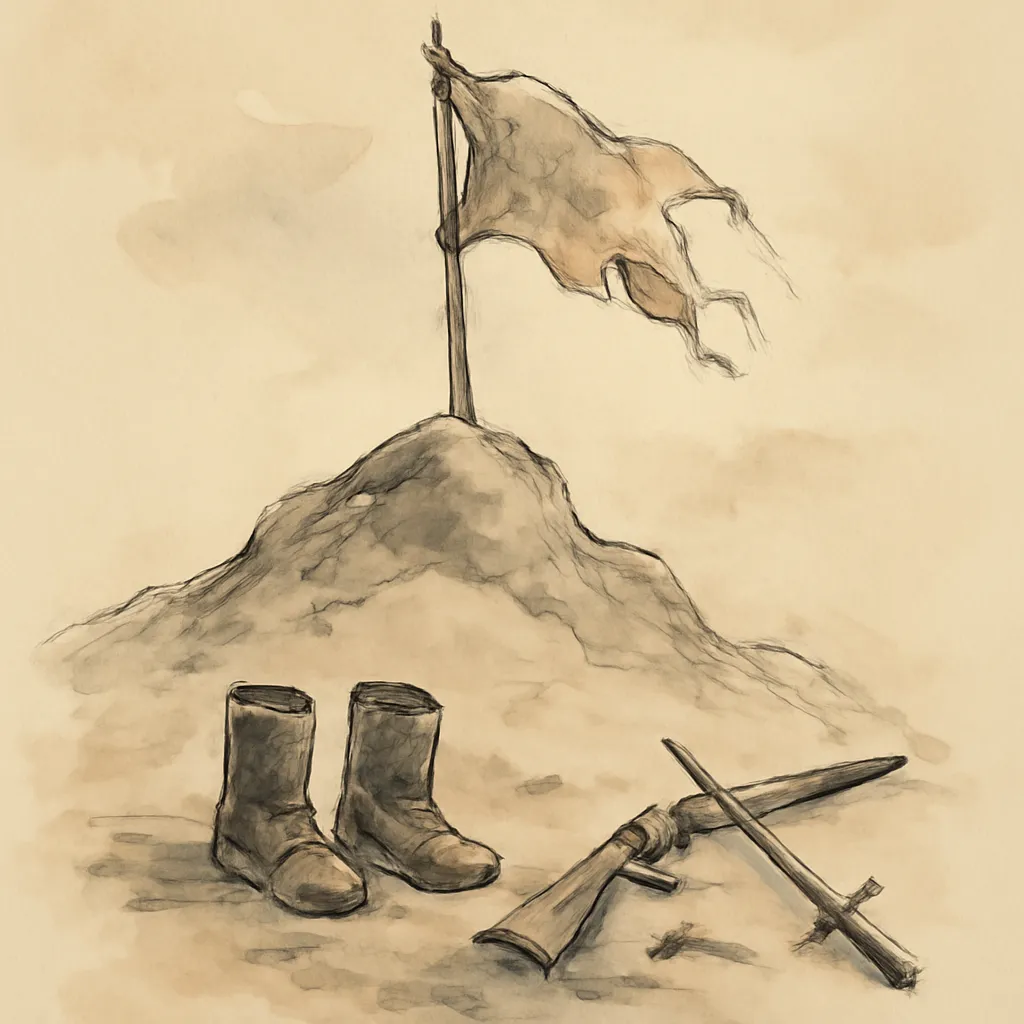
A core theme is the precariousness of the American cause. McCullough meticulously documents the string of defeats, retreats, and near disasters that plagued the Continental Army. The outcome was never assured; in fact, failure often seemed more likely than success. By highlighting the chaos, confusion, and lack of resources, the book challenges any notion that American independence was destined, showing instead how close it came to being extinguished.
3.Washington’s Leadership Under Fire
The book offers a nuanced portrait of George Washington, not as a flawless hero, but as a fallible, learning leader. McCullough explores Washington’s doubts, mistakes, and moments of indecision, as well as his resilience and ability to inspire. Washington’s willingness to adapt, listen to advice, and persevere in the face of repeated setbacks becomes central to the survival of the revolutionary cause.
4.The Diversity of the American Ranks
McCullough draws attention to the varied backgrounds of those who fought for independence: farmers, artisans, immigrants, free Black men, and boys barely out of childhood. This diversity underscores the Revolution’s grassroots nature and the fact that it was carried forward by ordinary people, not just elites. Their motivations were complex, ranging from patriotism to necessity, and their sacrifices were immense.
5.The British Perspective
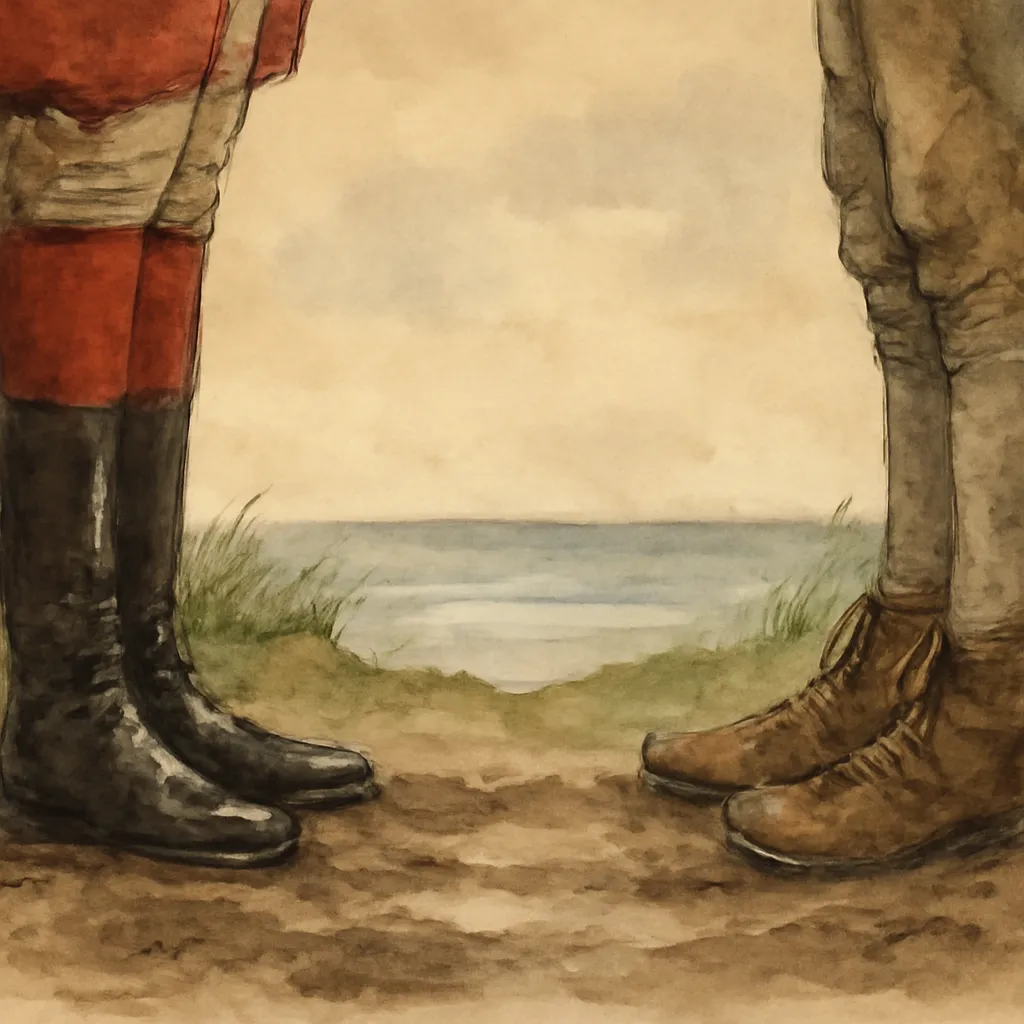
Rather than demonizing the British, McCullough presents the redcoats and their commanders as professional, disciplined, and at times even sympathetic. He explores their frustrations, misjudgments, and the challenges of waging war across an ocean. This balanced view deepens the reader’s understanding of the conflict and highlights the contingency of history—how different decisions on either side could have changed everything.
6.The Power of Hope and Resolve
Despite overwhelming odds, the American forces persist, buoyed by moments of hope and flashes of success, such as the daring crossing of the Delaware and the victory at Trenton. McCullough illustrates how morale, leadership, and the willingness to endure hardship were as decisive as strategy or numbers. The book ultimately celebrates the capacity of people to rise above their circumstances, fueled by a vision of something greater.