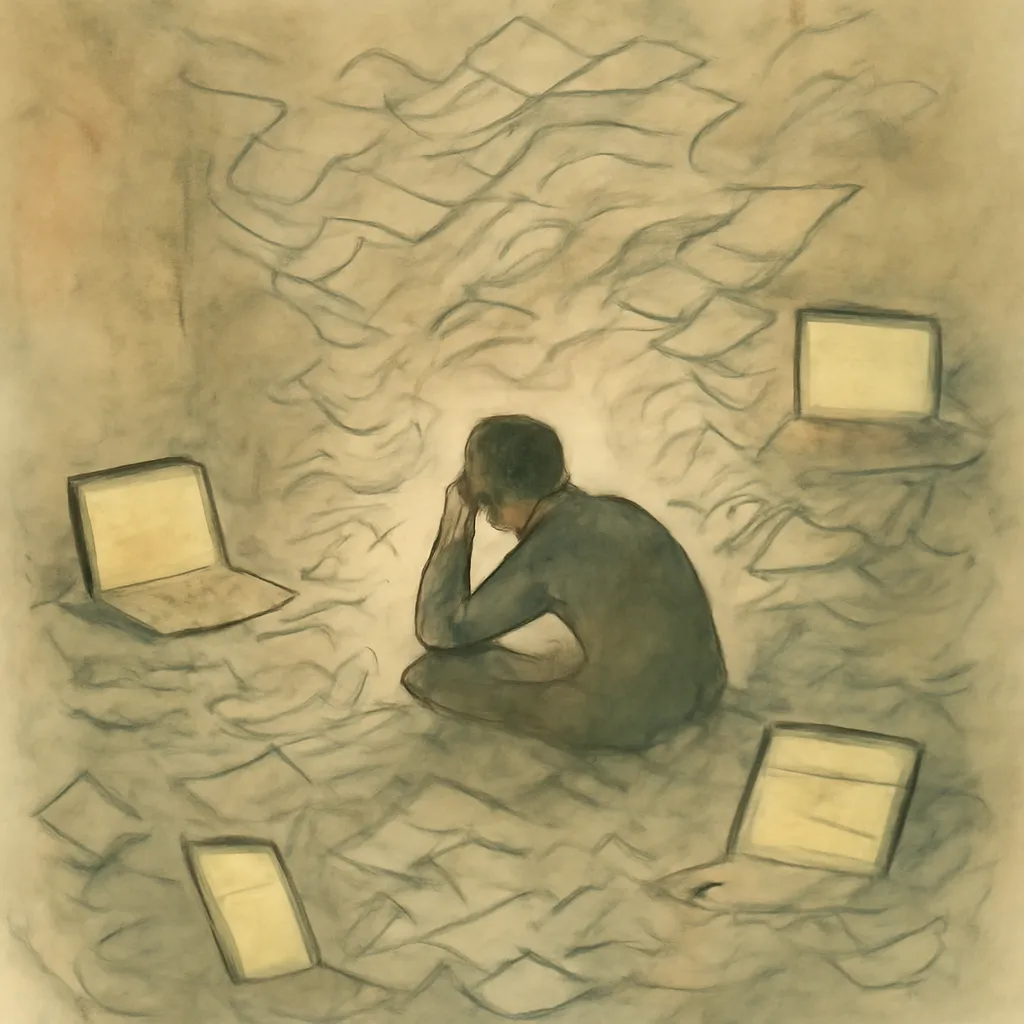
1.The Information Overload Dilemma
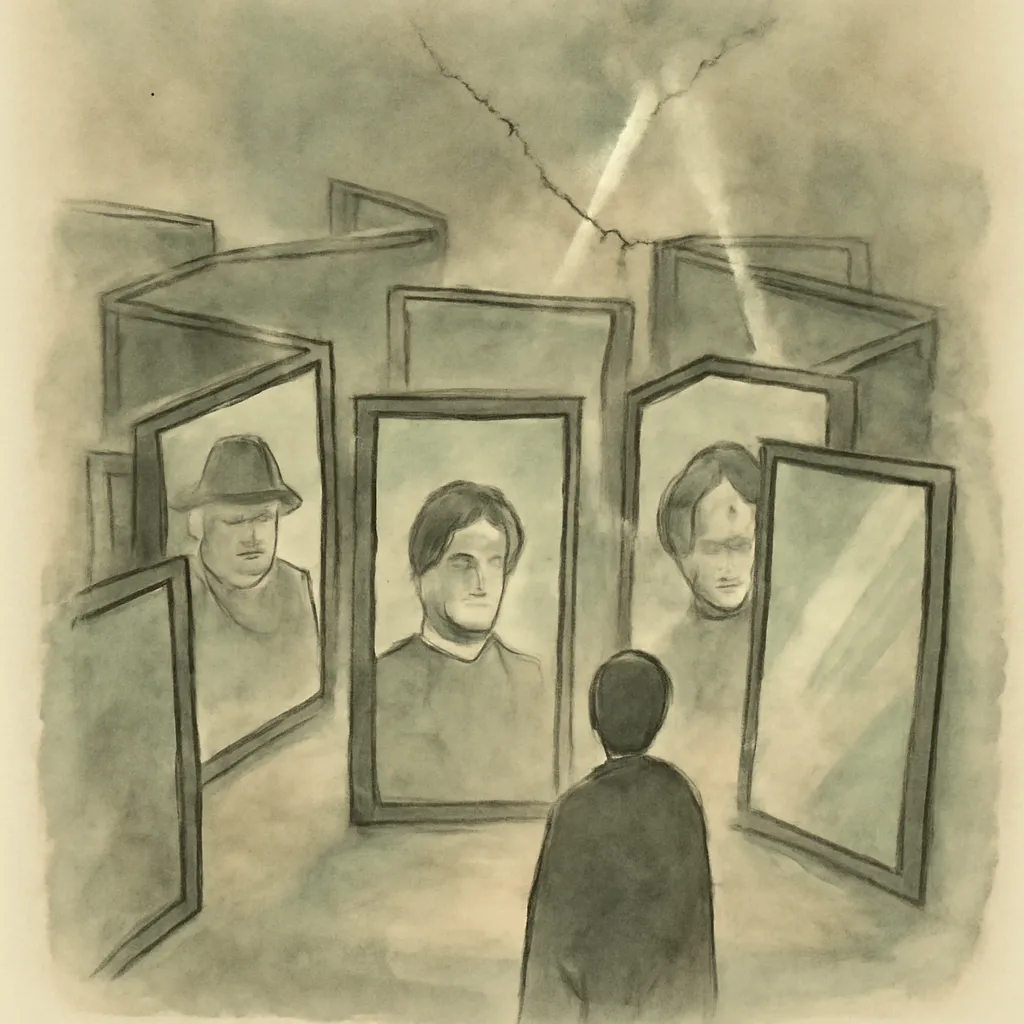
Harari argues that in the digital age, the problem is not censorship by omission but by distraction—people are inundated with so much information that it becomes difficult to discern what truly matters. This flood of data, much of it irrelevant or misleading, undermines our ability to make informed decisions and threatens the functioning of democracy. He urges readers to cultivate clarity and critical thinking as essential skills for survival.
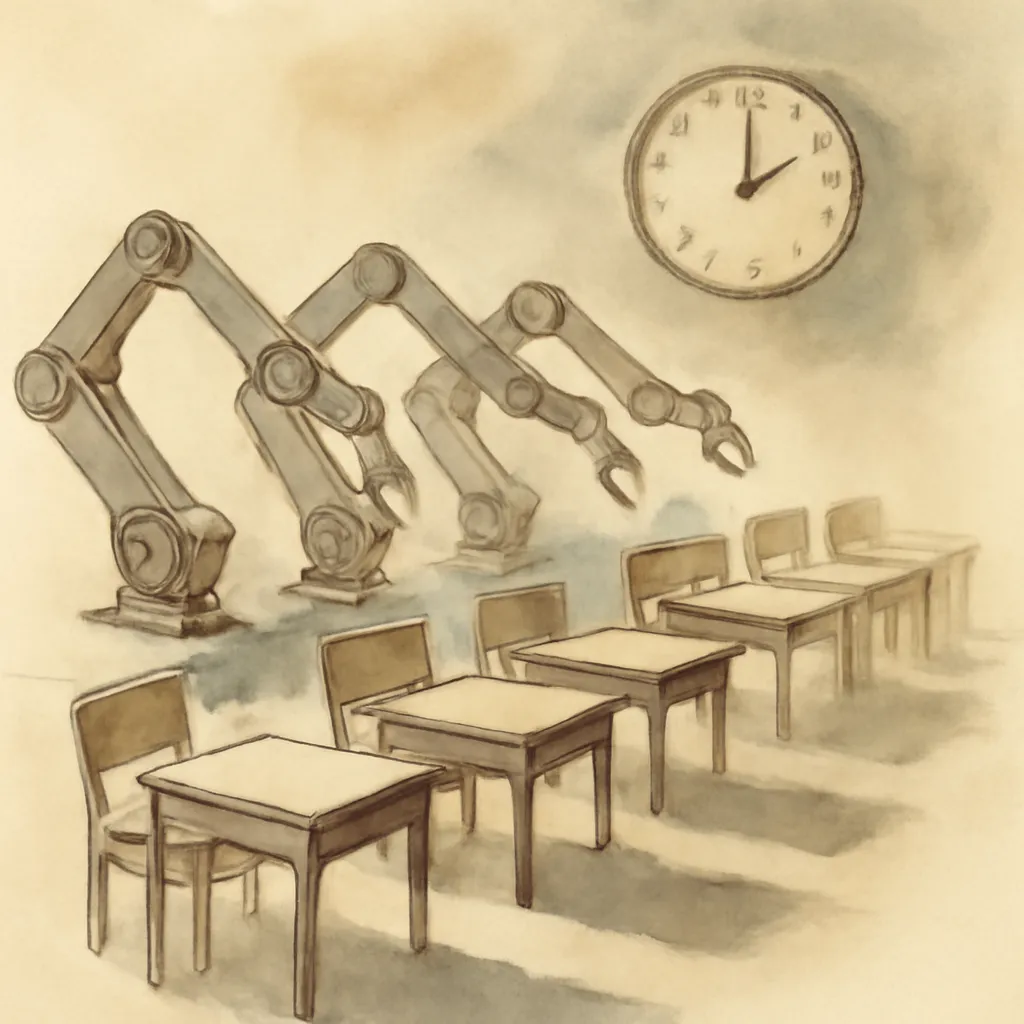
2.Technological Disruption and the Future of Work
The book examines how artificial intelligence and automation are transforming labor markets, potentially rendering many traditional jobs obsolete. Harari warns that society must prepare for mass unemployment and the psychological impact of job loss, while also rethinking education to focus on adaptability and lifelong learning rather than rote memorization.
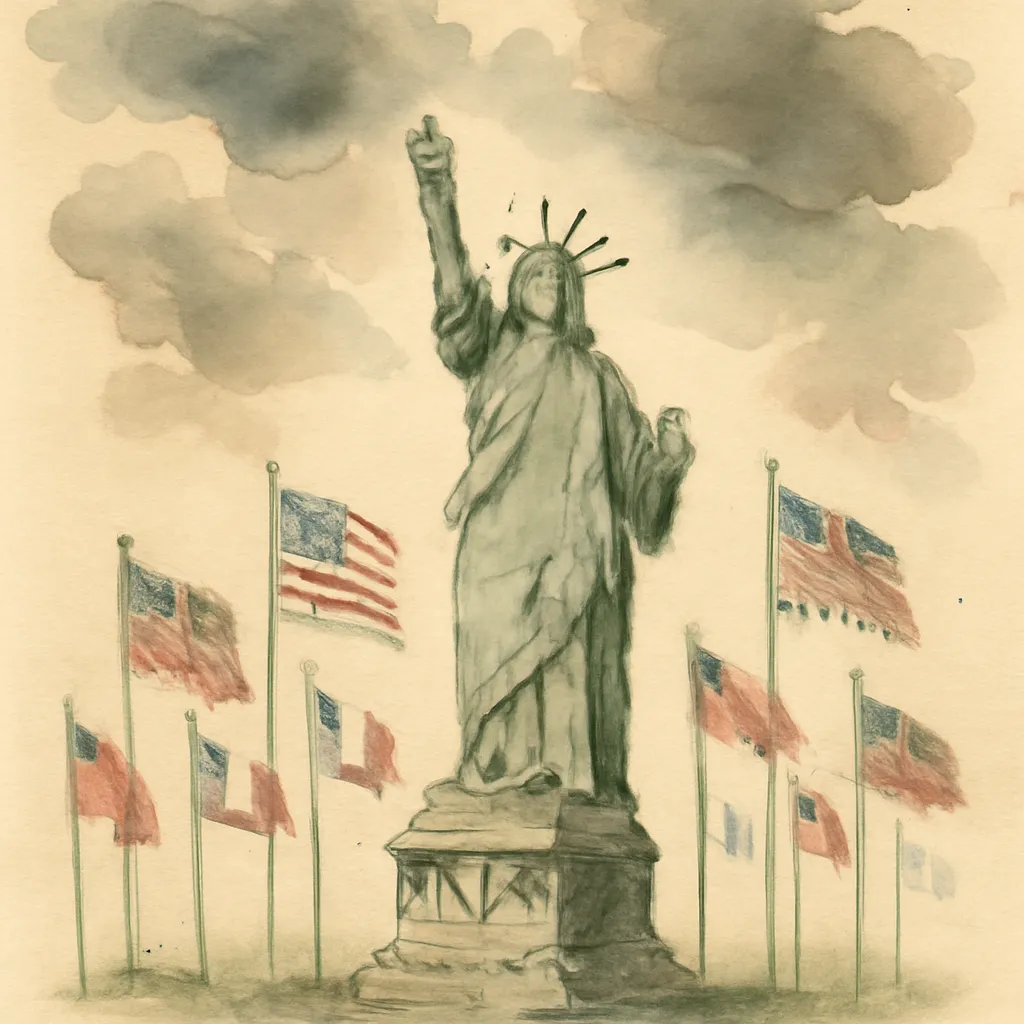
3.The Fragility of Liberal Democracy
Harari explores the current crisis of liberal democracy, noting the rise of populism, nationalism, and authoritarian tendencies worldwide. He attributes these trends to rapid technological and economic changes that have left many people feeling dislocated and powerless, making them susceptible to simplistic narratives and strongman leaders.
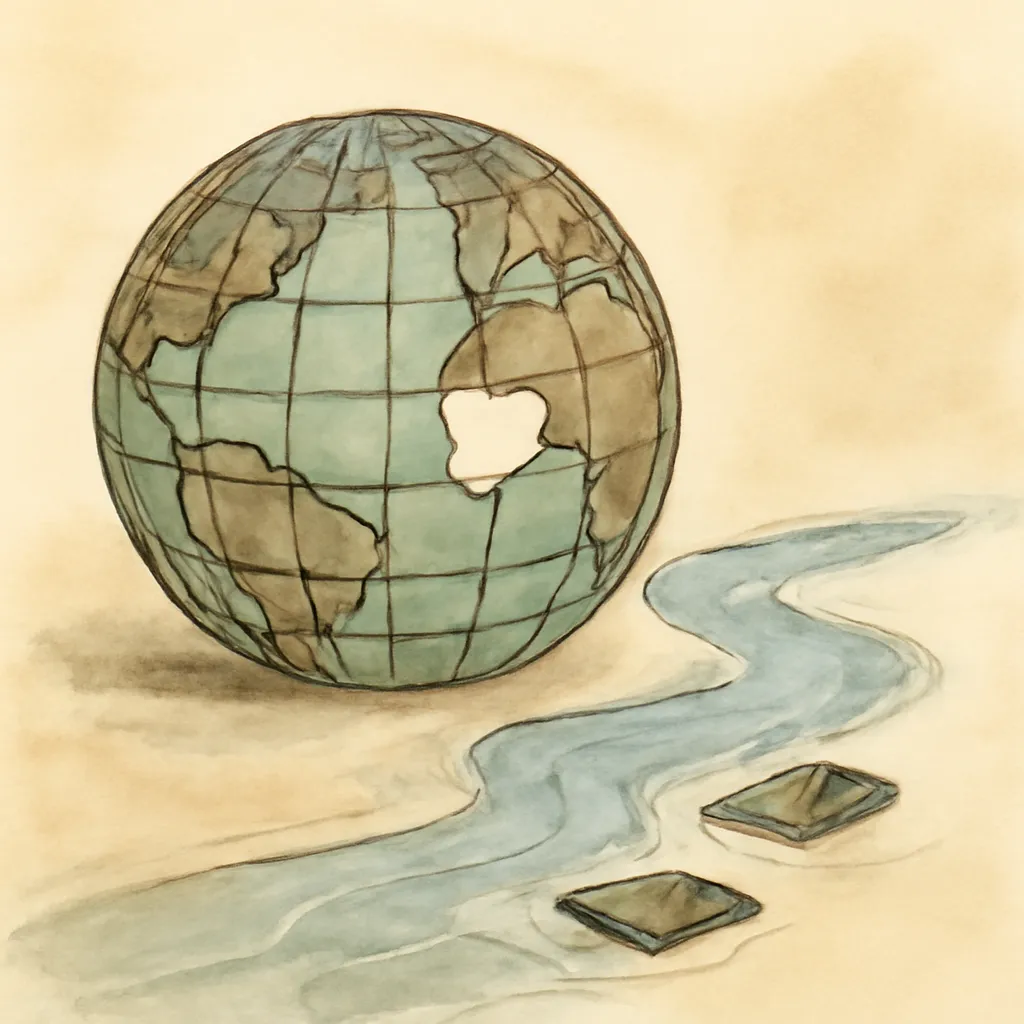
4.Nationalism vs. Global Challenges
While nationalism is resurging, Harari argues that the most pressing problems—such as climate change, nuclear proliferation, and technological disruption—are global in nature and cannot be solved by any one nation alone. He advocates for greater international cooperation and a sense of shared human destiny.
5.The Crisis of Meaning and Identity
In a world where traditional sources of meaning—religion, nationalism, even work—are under strain, Harari discusses how individuals and societies are searching for new narratives to make sense of their lives. He cautions against the allure of comforting myths and encourages a commitment to truth, humility, and compassion.
6.Education for an Unpredictable Future
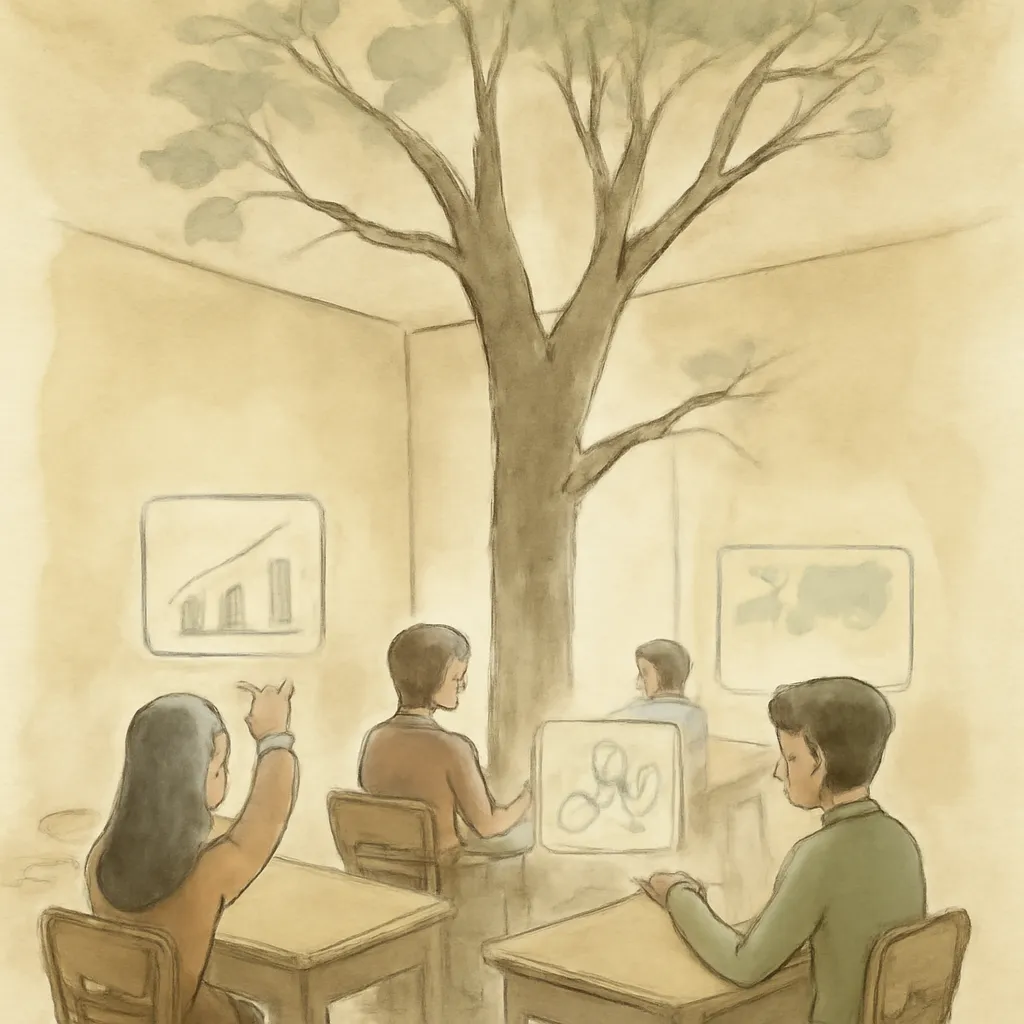
Harari emphasizes that the old model of education, focused on static knowledge, is outdated. Instead, he advocates teaching children how to think critically, manage emotions, and adapt to change. These skills, he argues, will be vital as the pace of technological and social transformation accelerates.