1.Markets Aren’t Truly Free
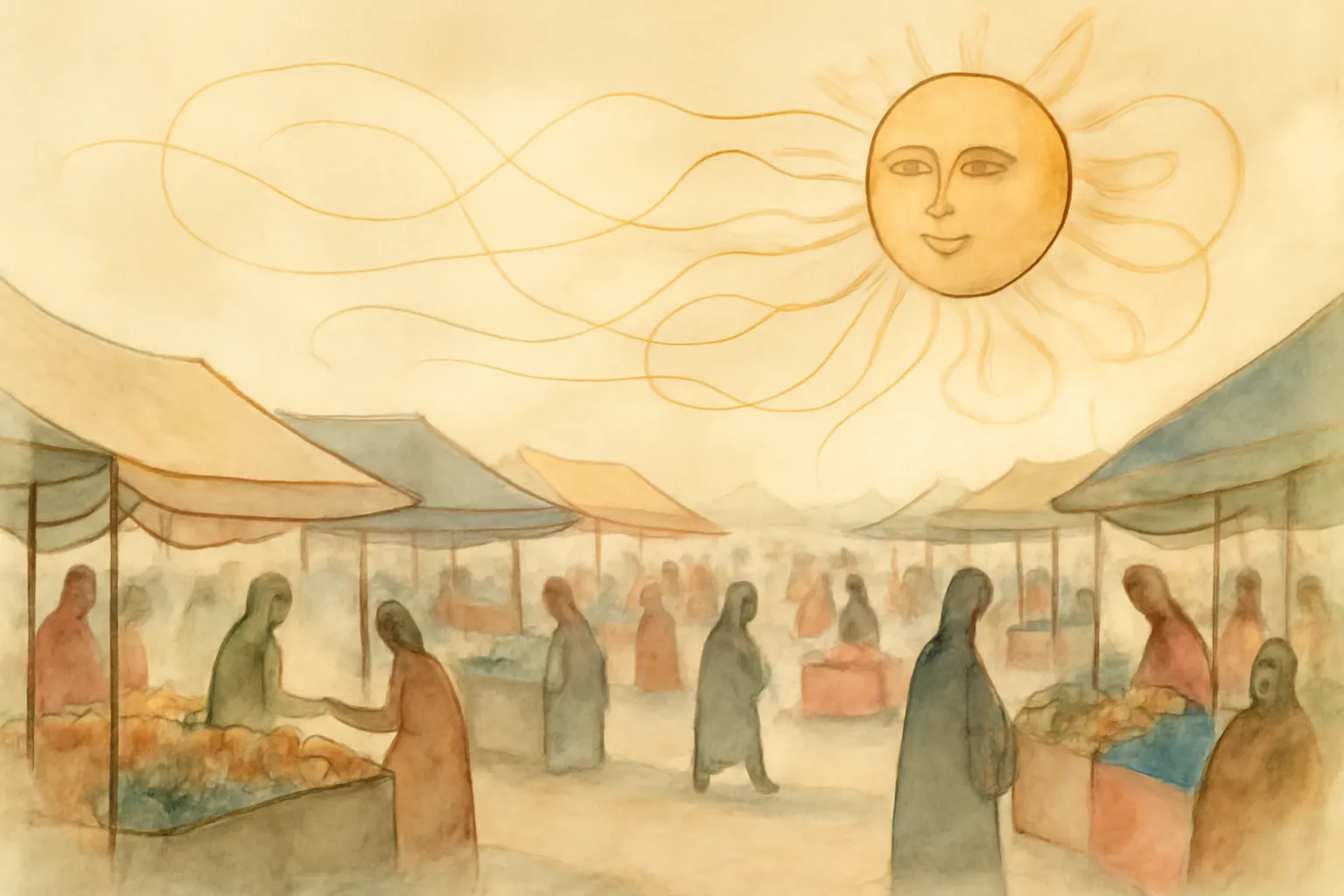
Chang argues that what we call 'free markets' are, in reality, shaped by rules, regulations, and cultural norms. Every market has boundaries—such as laws against child labor or environmental standards—set by society. The idea of a purely free market is a myth; what matters is who sets the rules and whose interests they serve. This challenges the notion that deregulation always leads to better outcomes.
2.Myth of the Rational Consumer
The book challenges the assumption that people always act rationally in their economic decisions. Chang points out that real-life choices are influenced by habits, social pressures, and imperfect information, making the 'rational actor' model unrealistic. This has implications for policies that rely on consumers to self-regulate markets efficiently.
3.Inequality Isn’t Justified by Merit
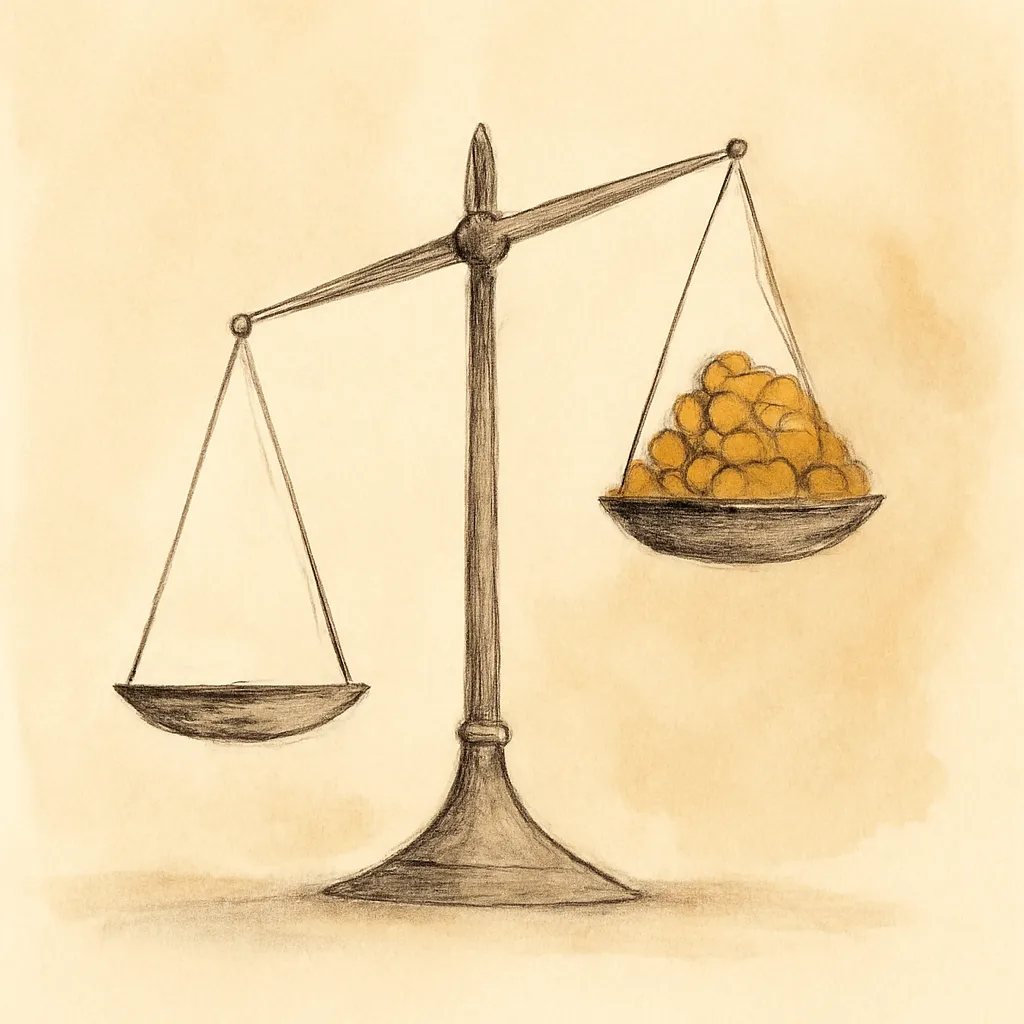
Chang disputes the belief that high rewards for top executives or professionals are always justified by their skills or contributions. He highlights how factors like social background, luck, and institutional advantages play a major role in economic outcomes. This perspective questions the fairness of current reward structures and suggests the need for more equitable systems.
4.Government’s Productive Role
Contrary to the view that government intervention hampers economic growth, Chang details how states have historically played a vital role in fostering innovation, protecting industries, and guiding development. He uses examples from both developed and developing nations to show that strategic government action can be a powerful engine for prosperity.
5.Short-Term Thinking Hurts Us All
Chang criticizes the dominance of short-term profit motives in modern capitalism, especially in financial markets. He argues that this focus undermines long-term investment, innovation, and social welfare. Sustainable prosperity, he suggests, requires reorienting capitalism toward longer-term goals and broader societal benefits.
6.Globalization’s Uneven Playing Field
The book reveals that the rules of global trade are often stacked in favor of rich countries, contradicting the idea that globalization automatically benefits all. Chang shows how historical protectionism helped today’s wealthy nations develop, and he questions the fairness of expecting poorer countries to follow different rules.