1.A Culinary Rebellion Against Rationing
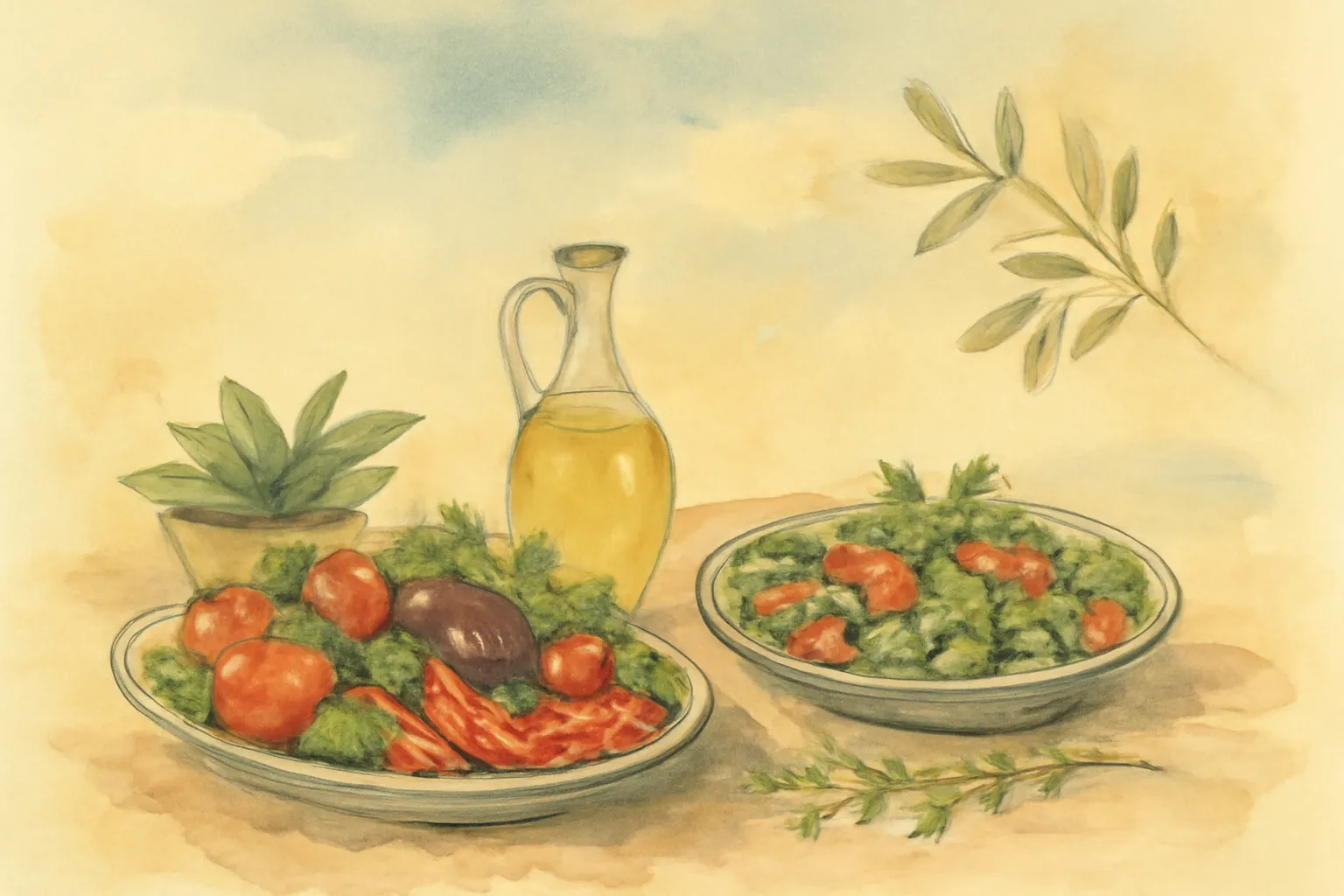
Written in postwar Britain, when food was scarce and rationed, this book was a bold act of culinary defiance. David offered British readers a vision of abundance and sensuality at a time when such things seemed out of reach. Her recipes, full of olive oil, garlic, herbs, and fresh vegetables, were a direct challenge to the stolid, gray fare of the era, inviting cooks to dream of sunlit markets and generous tables.
2.Food as a Cultural and Sensory Experience
David’s writing is as much about the atmosphere and culture of the Mediterranean as it is about recipes. She weaves in stories, landscapes, and traditions, encouraging readers to see food not as mere sustenance but as a way to connect with places, people, and memories. Her evocative descriptions transport the reader, making each meal an immersive experience.
3.Simplicity and Respect for Ingredients
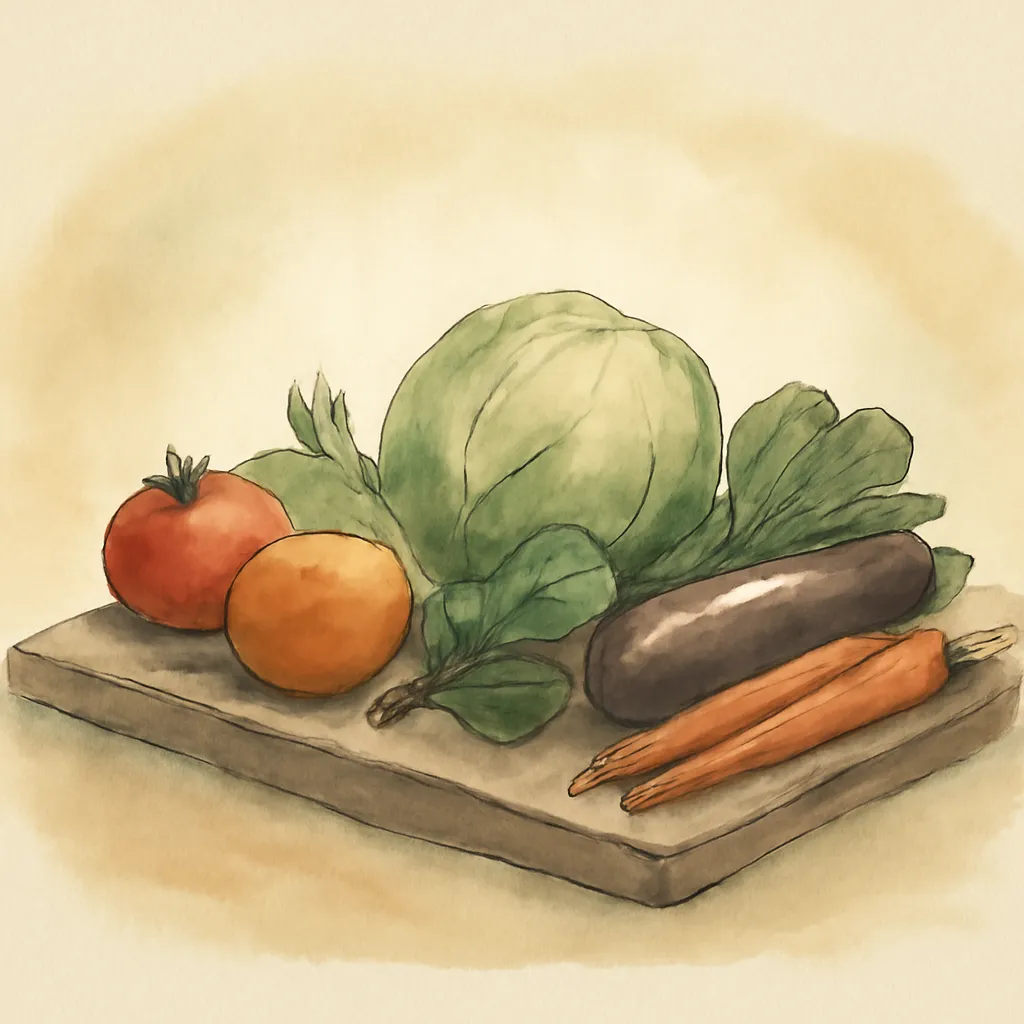
A core principle of the book is the celebration of simple, high-quality ingredients. David emphasizes freshness and the natural flavors of produce, fish, and herbs, often advocating for minimal intervention. This approach was radical for her British audience, accustomed to heavy sauces and overcooked vegetables, and it remains influential in contemporary cooking.
4.Unlocking the Mediterranean Pantry
David introduces readers to ingredients and techniques that were then exotic in Britain: olive oil, aubergines, anchovies, saffron, and more. She demystifies these elements, making them approachable and showing how they can transform everyday meals. Her book serves as both a primer and a celebration of Mediterranean staples.
5.A Personal, Literary Voice
Unlike many cookbooks of her time, David’s writing is personal, opinionated, and literary. She is frank about her tastes and preferences, and her prose is rich with wit and vivid imagery. This distinctive voice not only makes the book a pleasure to read but also establishes a sense of intimacy and trust with the reader.
6.Inspiration for Future Generations
A Book of Mediterranean Food didn’t just change what was on British tables; it inspired a generation of chefs and food writers. Its influence can be traced through the work of Julia Child, Claudia Roden, and countless others who have championed international, ingredient-driven cuisine. David’s legacy is the opening up of British palates to the wider world.