1.John Paul Vann: The Contradictory Hero
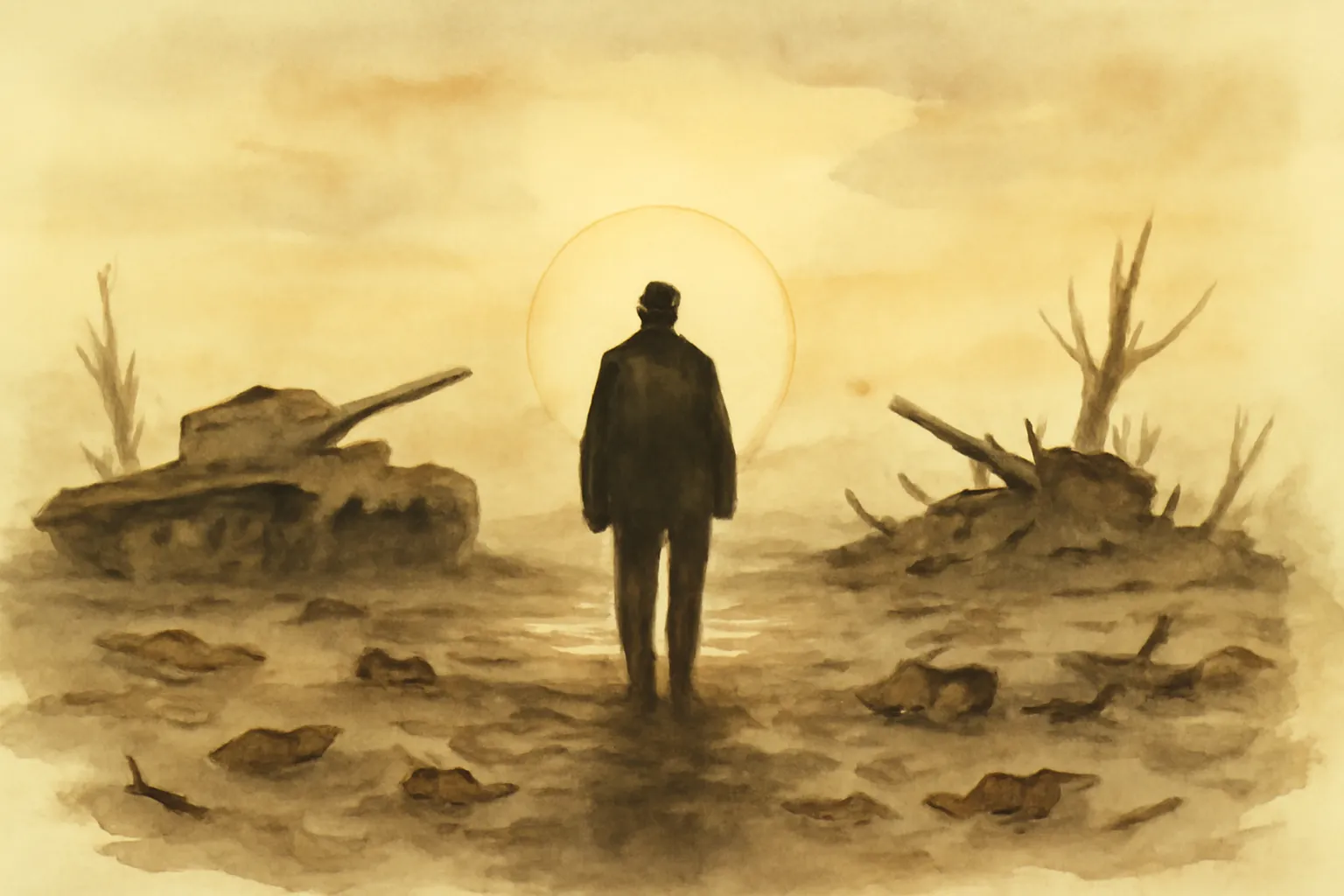
Vann is presented as both a dedicated reformer and a deeply flawed man. His relentless drive to win the war 'the right way'—by understanding Vietnamese society and counterinsurgency—makes him a compelling figure. Yet, his personal ambitions and moral ambiguities mirror the contradictions of American involvement. Sheehan uses Vann’s journey to explore how individual idealism can clash with institutional inertia and self-deception.
2.Institutional Failure and Self-Deception
A core theme is the U.S. military and government’s inability to see Vietnam as it was, not as they wished it to be. Sheehan details how wishful thinking, careerism, and a refusal to acknowledge facts on the ground led to disastrous policies. Vann’s attempts to challenge these delusions highlight how organizations can become trapped by their own narratives, with tragic consequences.
3.The Limits of Power and Technology
Sheehan demonstrates that overwhelming military might and advanced technology were no substitute for political understanding or legitimacy. The U.S. failed to grasp the nature of the conflict—a civil war with deep local roots—believing firepower could compensate for lack of insight. Vann’s story underscores the futility of imposing solutions without understanding the people involved.
4.The Human Cost of War
Through Vann’s eyes and the lives of Vietnamese and Americans alike, the book personalizes the suffering caused by strategic misjudgments. Sheehan does not shy away from the moral compromises, civilian casualties, and psychological toll that defined the war. This human dimension makes the history immediate and urgent, reminding readers that policy failures are paid for in lives.
5.The Power of Dissent and the Tragedy of Ignored Warnings
Vann’s willingness to speak out against official optimism and flawed tactics sets him apart, but also isolates him. Sheehan explores how dissent is marginalized in large organizations, and how Vann’s warnings—though prescient—were largely ignored. The book thus becomes a meditation on the costs of ignoring uncomfortable truths.
6.Vietnam as a Mirror for America
Beyond its historical narrative, the book uses Vietnam as a lens to examine American identity, values, and the dangers of overconfidence. The story suggests that the Vietnam War was not just a foreign policy failure, but a reflection of broader American tendencies toward moral certainty and technological faith, often at the expense of humility and understanding.