1.The Innocence of Childhood
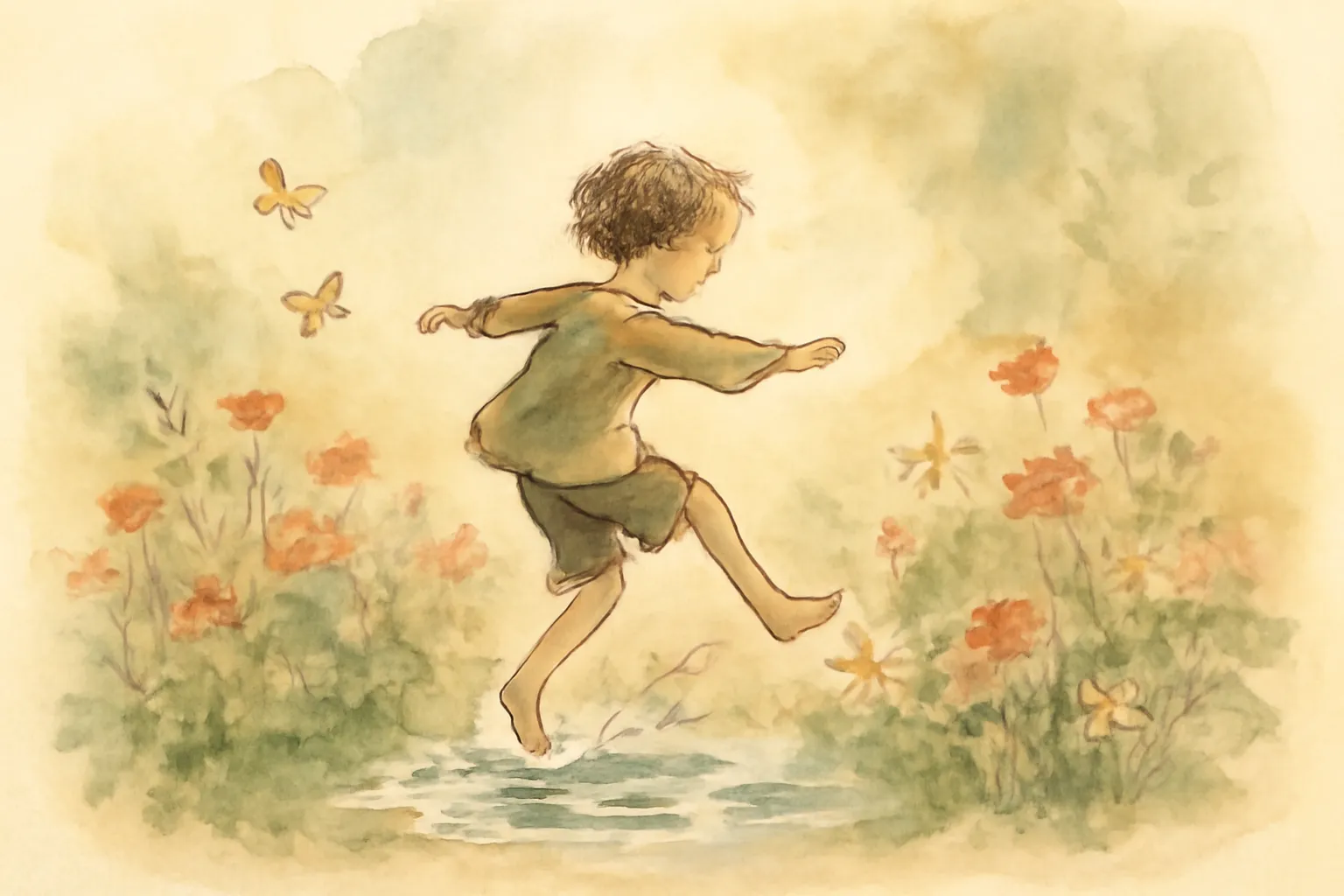
Stevenson's poems encapsulate the innocence and purity of childhood, portraying a world where imagination reigns supreme. In pieces like 'Bed in Summer,' he reflects on the simple joys of being a child, such as the warmth of a cozy bed and the carefree nature of play. The child’s perspective is untainted by adult worries, allowing for a fresh appreciation of the world. This innocence is a theme that resonates throughout the collection, reminding readers of the beauty found in simplicity and the importance of seeing the world through a lens of wonder. By embracing this perspective, Stevenson encourages adults to reconnect with their own childhood experiences. The poet’s evocative language creates vivid imagery, inviting readers to reminisce about their own innocent moments, thus reinforcing the idea that childhood is a precious and formative time.
2.Nature as a Playground
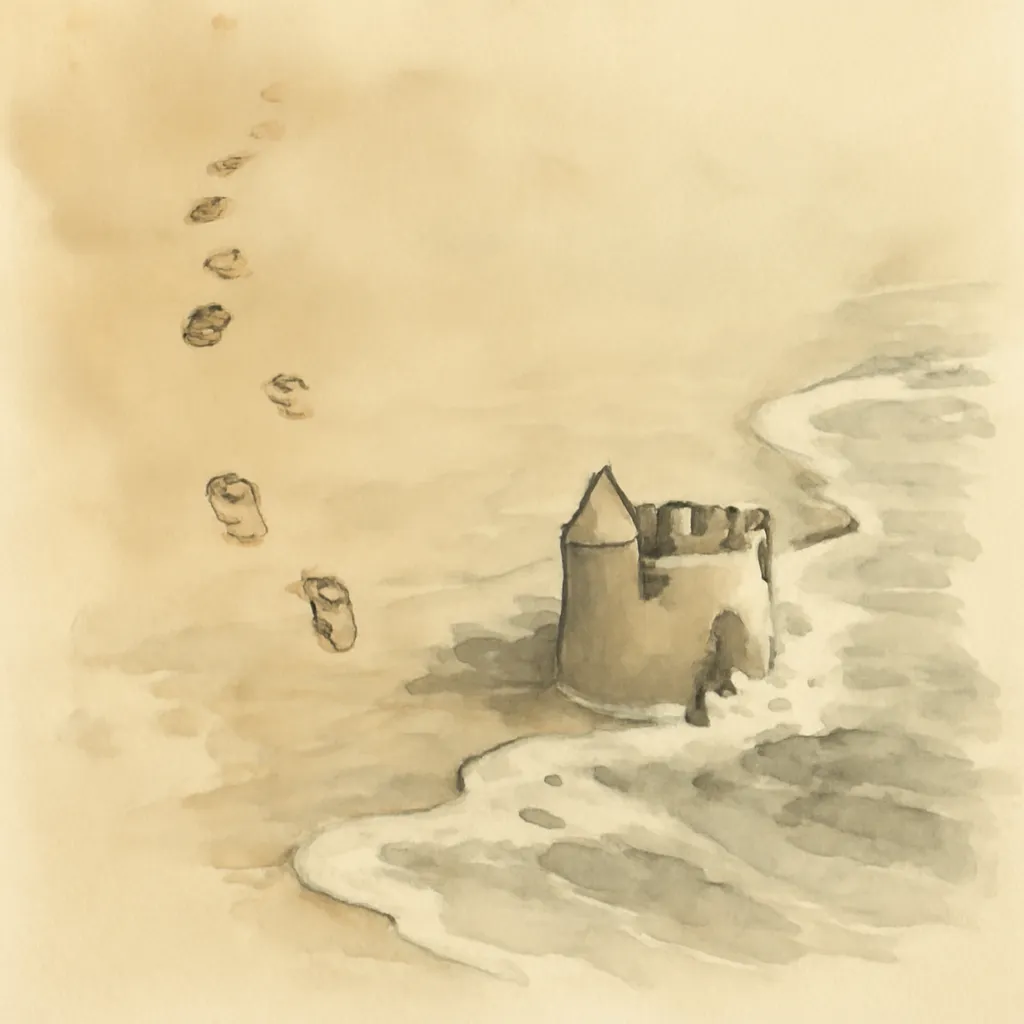
Nature plays a pivotal role in Stevenson's poetry, serving as both a backdrop and a participant in the child’s adventures. In 'At the Sea-Side,' the poet captures the thrill of exploring the beach, where the ocean invites children to engage with its vastness and mystery. The imagery of waves, sand, and sea creatures sparks a sense of exploration and curiosity. Similarly, in 'The Flowers,' Stevenson highlights the beauty of blooming flowers, suggesting that nature is not just a setting but a vibrant playground filled with opportunities for discovery. The child’s interaction with nature is not superficial; rather, it is deeply intertwined with their emotional and imaginative landscape. Through these depictions, Stevenson instills a deep appreciation for the natural world, encouraging children to embrace their surroundings and find joy in the outdoors. This connection with nature serves as a reminder that the environment is a source of inspiration and wonder, fostering a lifelong love for the world around us.
3.The Emotions of Childhood

Stevenson delves into the emotional landscape of childhood, acknowledging the spectrum of feelings that children experience. In 'Rain,' he captures the mixture of joy and sorrow that rain can evoke, transforming a dreary day into an opportunity for imaginative play. This emotional honesty is a hallmark of Stevenson's work, as it validates the feelings of children and recognizes their complexity. The poet illustrates that feelings such as fear, sadness, and happiness are all integral to the childhood experience. By exploring these emotions, Stevenson fosters empathy and understanding, allowing readers to reflect on their own childhood feelings and the importance of emotional expression. The exploration of emotions is not just about recognizing them; it is also about understanding their role in personal growth. By portraying these feelings authentically, Stevenson encourages children to embrace their emotions rather than suppress them, thus empowering them to navigate the complexities of their inner worlds.
4.The Power of Imagination
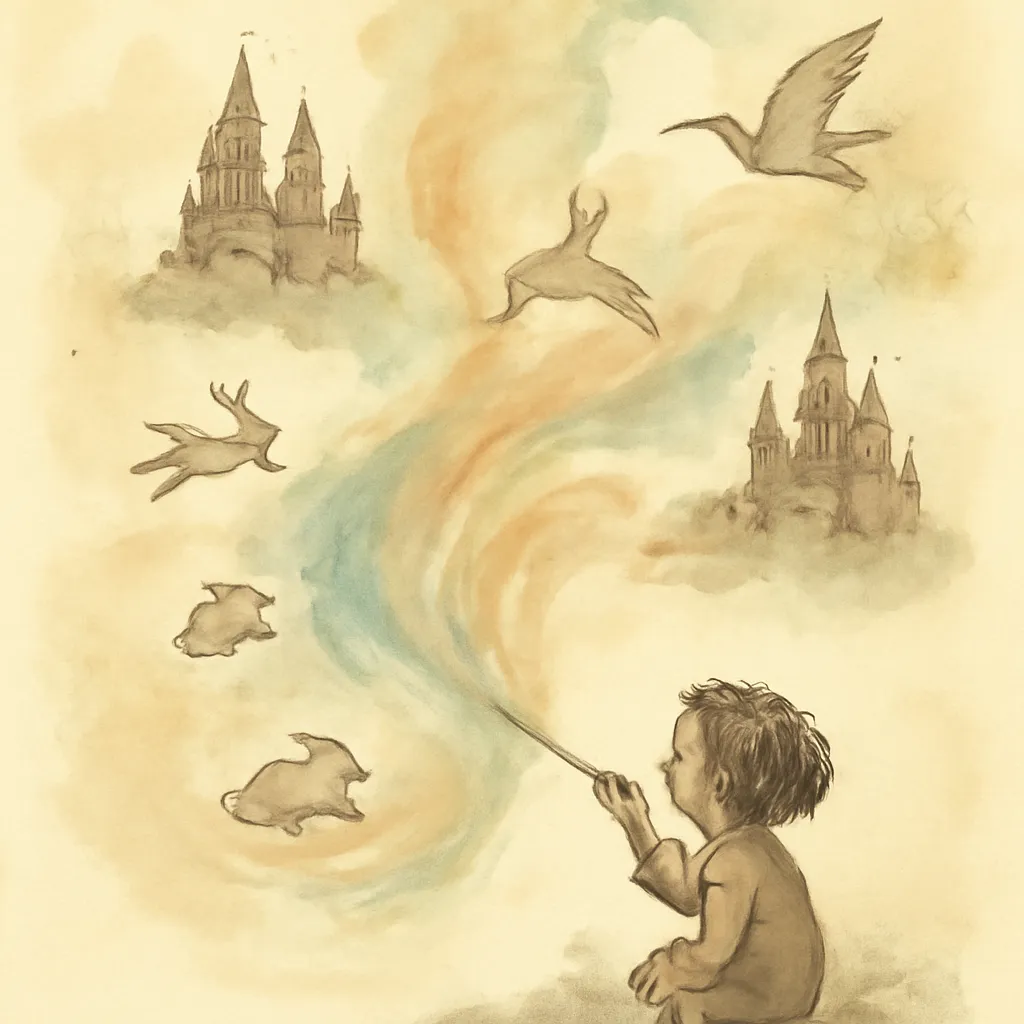
Imagination is a central theme in Stevenson's poetry, serving as a tool for children to navigate their world. In 'My Bed is a Boat,' the poet transforms a simple bed into a vessel for adventure, illustrating how children can turn mundane objects into sources of creativity. This ability to reimagine their surroundings empowers children to explore new worlds and possibilities. Similarly, in 'The Land of Counterpane,' Stevenson depicts a child’s sick day transformed into a fantastical journey through a blanket landscape, showcasing the limitless potential of the imagination. Through these examples, Stevenson emphasizes that imagination is not just a playful escape but a vital component of cognitive development and emotional resilience. By celebrating this imaginative spirit, he encourages readers to value creativity and play as essential components of childhood, and advocates for the nurturing of this creativity in educational and home environments.
5.The Comfort of Routine
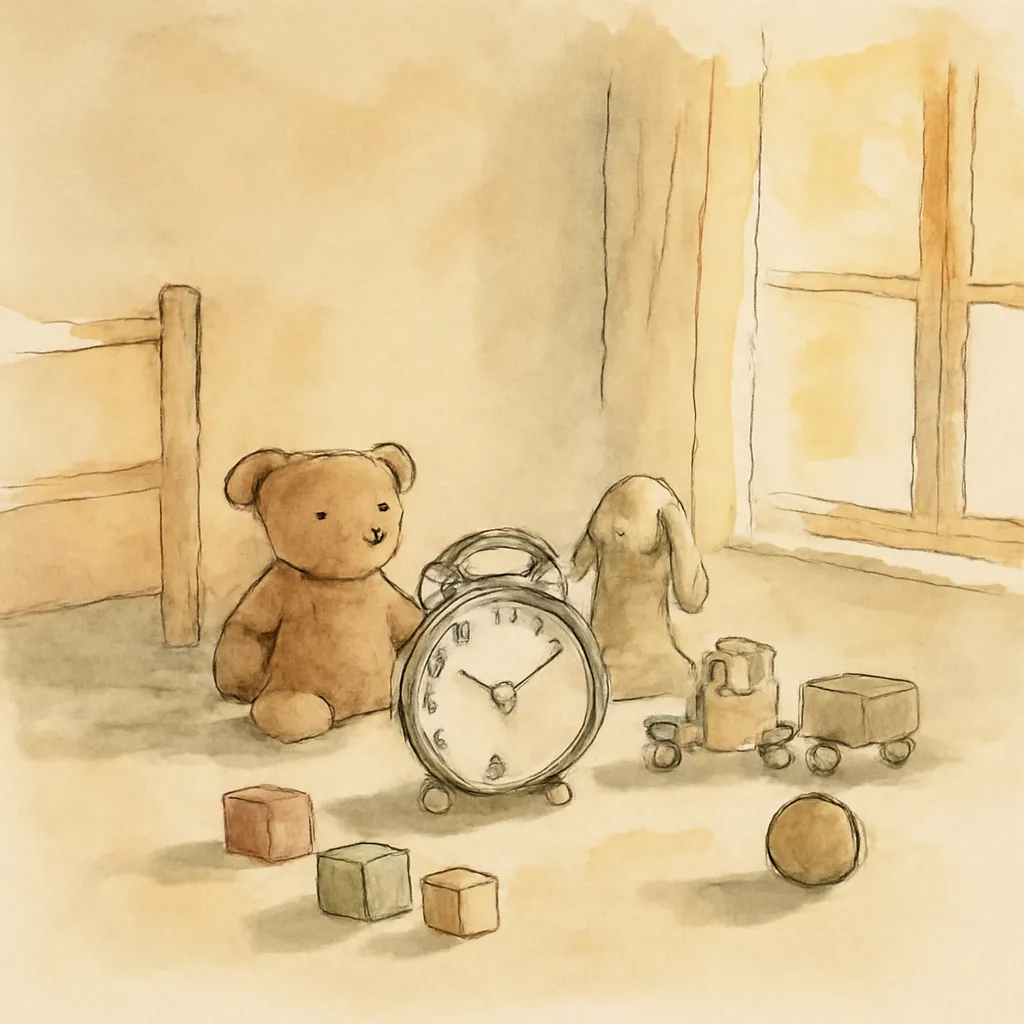
Stevenson acknowledges the comfort that routine provides to children, offering a sense of security in their daily lives. In poems like 'Time to Rise,' he portrays the gentle nudging of a child to wake, highlighting the rituals that mark the beginning of a day. These routines, from morning rituals to bedtime stories, create a rhythm in children’s lives that fosters stability and predictability. The significance of such routines is profound; they not only establish a sense of order but also provide children with reassurance in an ever-changing world. By emphasizing the importance of these routines, Stevenson suggests that they are not merely mundane tasks but integral to a child's emotional well-being. This recognition of routine as a source of comfort speaks to the needs of children and the role of caregivers in nurturing a safe environment. The stability provided by routines allows children to explore their independence while knowing that they have a secure foundation to return to.
6.Exploration and Adventure

The spirit of exploration and adventure permeates Stevenson's verses, encouraging children to embark on journeys of discovery. In 'Pirate Story,' he invites readers to imagine the thrilling escapades of a pirate, highlighting the allure of adventure and the excitement of the unknown. This theme resonates deeply with children, who are naturally curious and eager to explore their environments. Stevenson’s portrayal of adventure serves as a reminder that exploration is a vital aspect of childhood, fostering a sense of bravery and courage. The idea of venturing into new territories, be it in the form of grand adventures or everyday explorations, broadens a child’s understanding of the world and nurtures their innate curiosity. By encouraging children to venture into the world with open hearts and minds, Stevenson reinforces the idea that adventure is not limited to grand escapades but can be found in everyday experiences. This message is particularly relevant in a world where structured activities often overshadow spontaneous exploration.
7.The Importance of Play
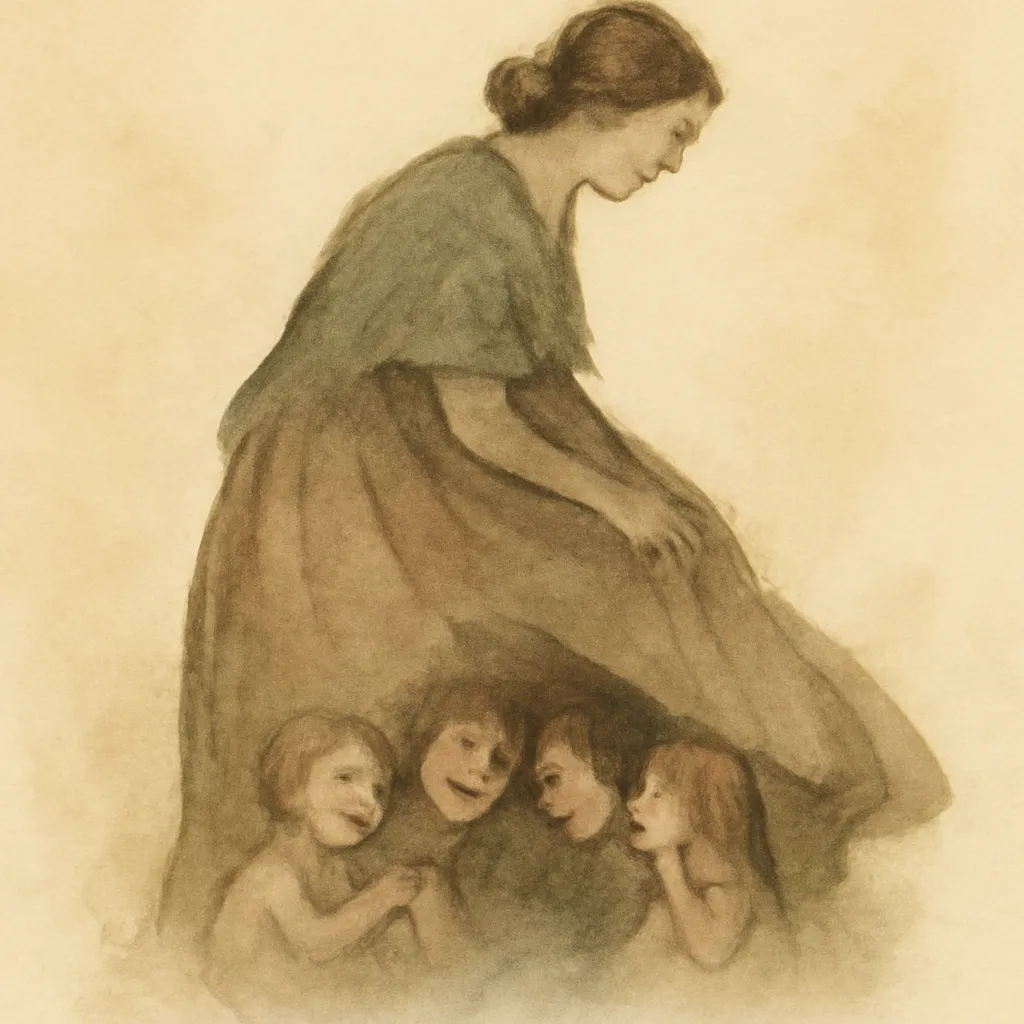
Stevenson emphasizes the significance of play in a child's life, portraying it as a vital component of growth and development. In 'Auntie's Skirts,' he captures the joy of imaginative play, where children find delight in simple activities. Play is presented as a means of learning, self-expression, and social interaction, as children navigate their relationships with others. This notion that play is not just leisure but a critical aspect of childhood underscores its role in developing creativity and problem-solving skills. By highlighting the importance of play, Stevenson advocates for a childhood filled with opportunities to explore, create, and connect. This message resonates in today’s context, where the pressures of education and technology often overshadow the necessity of play in childhood development. Encouraging unstructured play allows children to develop their emotional intelligence and social skills, fostering well-rounded individuals who can navigate the complexities of life.
8.The Balance of Good and Bad

Stevenson explores the duality of good and bad behavior in children, acknowledging that both exist within the realm of childhood. In 'Good and Bad Children,' he presents a playful examination of moral lessons, illustrating that children are not simply good or bad but rather complex beings navigating their choices. This nuanced portrayal encourages acceptance of imperfections and reinforces the idea that mistakes are part of growing up. By addressing these themes, Stevenson fosters a sense of empathy and understanding, encouraging readers to embrace the full spectrum of childhood experiences rather than oversimplifying them into binary categories. The acknowledgment of this complexity not only enriches the reader's understanding of childhood but also serves as a gentle reminder that everyone, regardless of age, is a work in progress. This nuanced perspective encourages compassion towards oneself and others, recognizing that growth often comes through a blend of successes and failures.
9.The Role of Caregivers
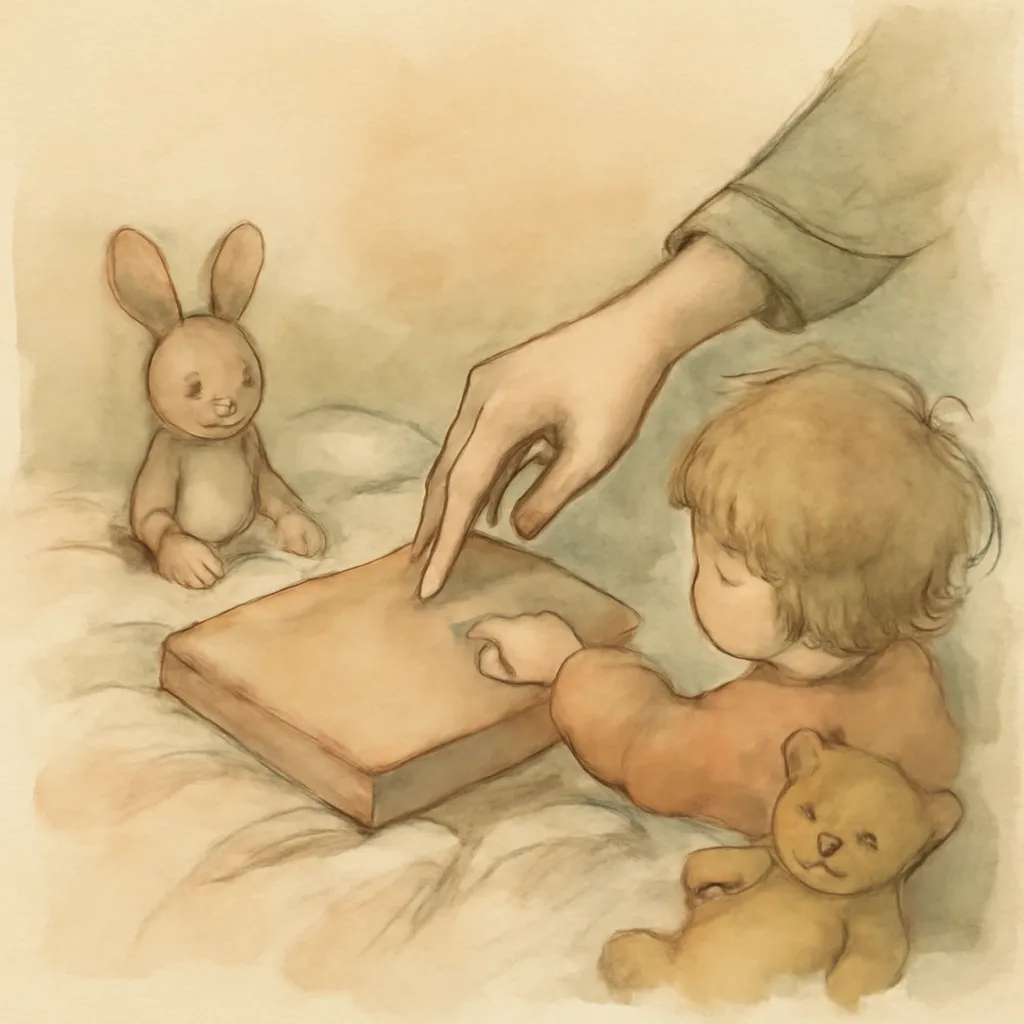
The influence of caregivers is a recurring theme in Stevenson's poetry, highlighting the vital role they play in shaping a child's experience. In the dedication to Alison Cunningham, Stevenson acknowledges the nurturing presence that guided him through his own childhood. This recognition emphasizes the importance of love, support, and guidance in a child's life. Caregivers are depicted as sources of comfort and wisdom, helping children navigate the complexities of their emotions and experiences. By underscoring this relationship, Stevenson reminds readers that the bonds formed during childhood have lasting impacts, shaping who individuals become in adulthood. The nurturing role of caregivers not only provides emotional support but also fosters an environment where children feel secure enough to explore their identities and the world around them. This theme invites reflection on the responsibilities and joys of caregiving, highlighting the profound and lasting influence caregivers have on a child's development.
10.The Cycle of Seasons

Stevenson beautifully weaves the cycle of seasons into his poetry, reflecting the natural rhythm of life and its impact on childhood experiences. In 'Autumn Fires,' he captures the transition from summer to autumn, illustrating how seasonal changes bring both endings and new beginnings. This cyclical nature of life resonates deeply with children, who experience the world around them in vivid ways. By celebrating the seasons, Stevenson encourages readers to appreciate the beauty of change and the lessons it brings. The interplay between childhood and nature serves as a reminder of the interconnectedness of life and the importance of embracing each moment as it comes. The changing seasons also mirror the phases of childhood, with each season representing different stages of growth, discovery, and learning. This depiction invites readers to find beauty and meaning in the transient nature of life, reinforcing the idea that all experiences are valuable, no matter how fleeting.
11.The Unseen World of Imagination
In many of Stevenson's poems, he explores the concept of the unseen world that exists within a child's imagination. In 'The Land of Nod,' he presents a dreamscape where children can escape the constraints of reality, discovering a magical realm filled with possibilities. This imaginative space is not just a retreat but a necessary aspect of childhood that fosters creativity and self-discovery. The unseen world serves as a canvas where children can project their fears, hopes, and dreams, allowing them to process their emotions. By depicting this inner landscape, Stevenson encourages recognition of the importance of dreams and imagination in personal development. The ability to escape into this world fosters resilience, creativity, and a sense of agency, empowering children to shape their narratives both in dreams and reality.