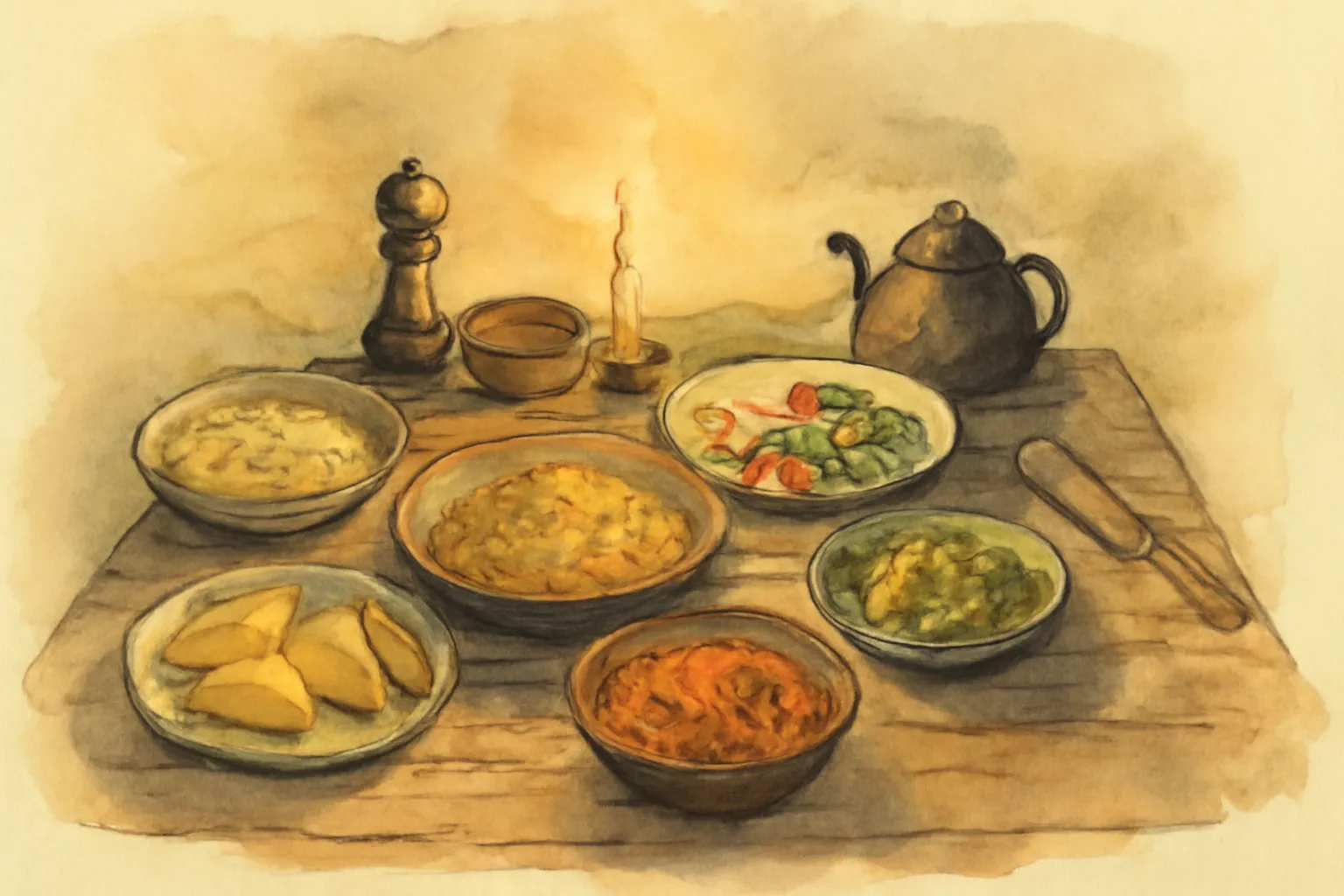
1.The Myth of the Perfect Meal
Bourdain’s quest begins with the tantalizing idea of a 'perfect meal,' but as he travels, he discovers that perfection in food is subjective and deeply personal. Rather than a single, transcendent dish, he finds that meaning comes from context: the people, the place, and the moment. The pursuit itself—filled with surprises, discomfort, and joy—matters more than the destination. This challenges readers to rethink their own definitions of culinary satisfaction and to value experience over idealized standards.
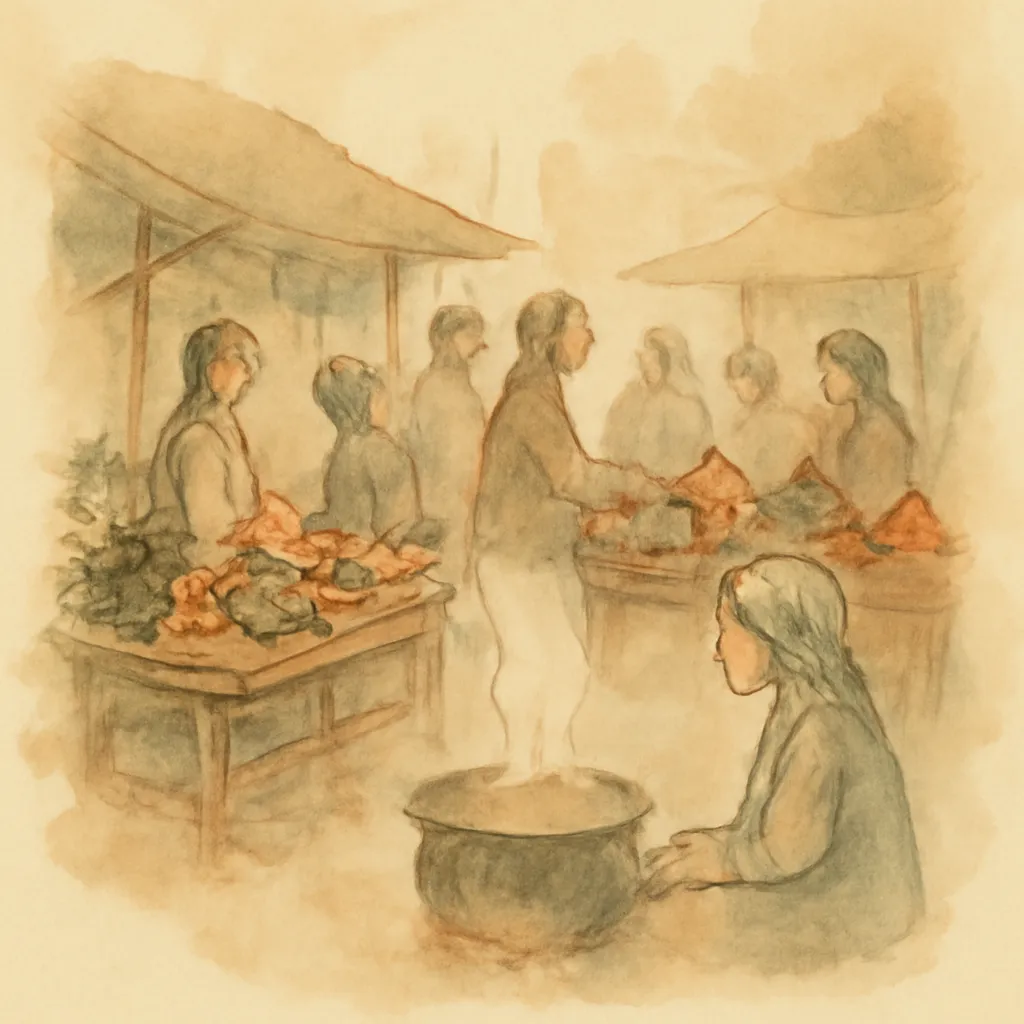
2.Food as a Gateway to Culture
Throughout his travels, Bourdain uses food as a lens to understand and connect with different societies. Whether in a French farmhouse or a Vietnamese street stall, he shows that what’s on the plate reflects history, tradition, and identity. By breaking bread with locals, he gains access to stories and perspectives unavailable to ordinary tourists. The book argues that genuine cultural exchange happens not in museums or monuments, but at the dinner table.
3.Embracing Discomfort and the Unknown
Bourdain’s adventures are often messy, risky, and far from glamorous. He eats unfamiliar and sometimes unsettling dishes, endures awkward social situations, and exposes himself to physical and emotional discomfort. Yet, he insists that these moments are essential to growth and understanding. The narrative encourages readers to step outside their comfort zones, suggesting that the richest experiences often lie beyond the familiar.
4.Respect for Culinary Authenticity
A recurring theme is Bourdain’s reverence for authenticity in food. He seeks out traditional methods, humble ingredients, and unpretentious cooks, often favoring local dives over Michelin-starred establishments. He criticizes culinary pretension and the sanitization of food for Western palates, advocating instead for respect and openness toward how people genuinely eat around the world.
5.The Power and Limits of Storytelling
Bourdain is acutely aware of his role as both participant and narrator. He reflects on the ethics of travel writing—how outsiders can romanticize, misunderstand, or exploit the cultures they visit. The book is self-critical, acknowledging the limitations and potential distortions of his own perspective. This meta-awareness adds depth, reminding readers to question the stories they consume and tell.
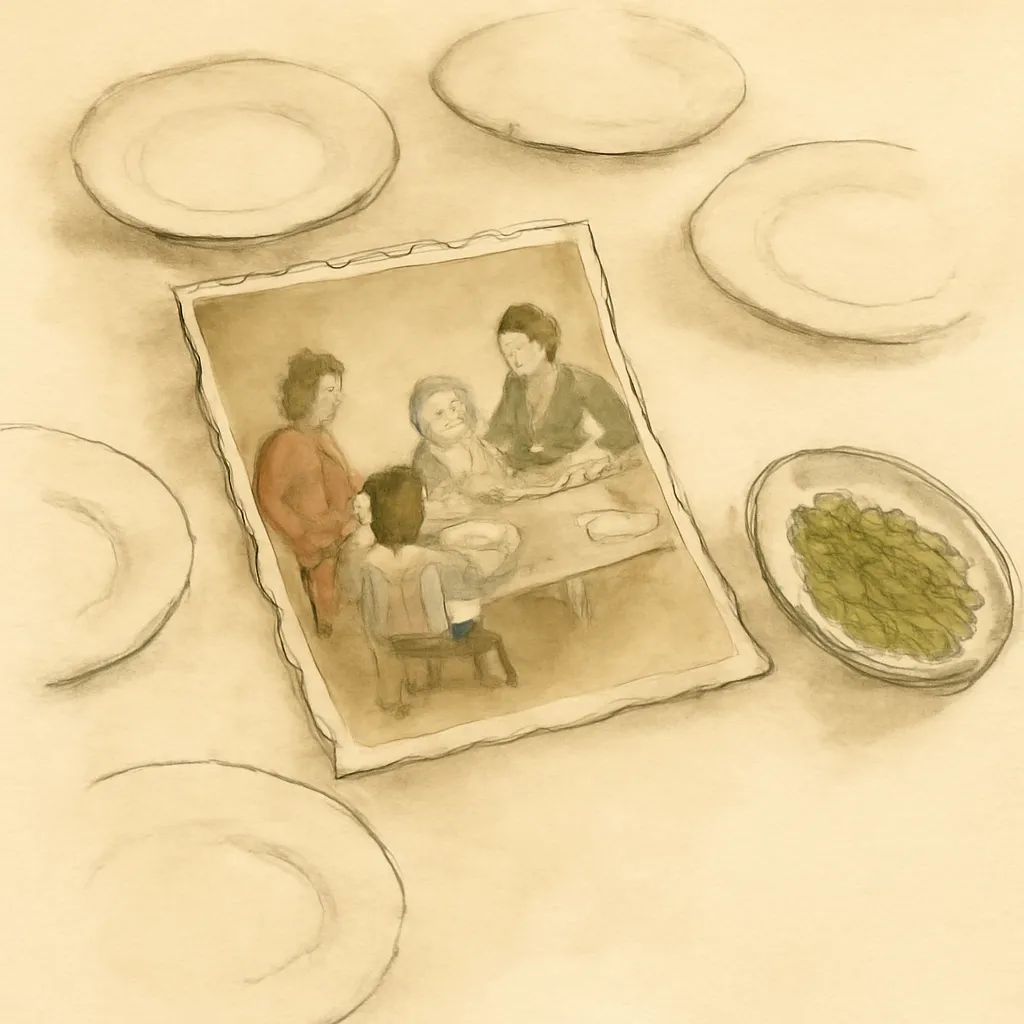
6.Food, Memory, and Mortality
Underlying the entire journey is a sense of nostalgia and mortality. Bourdain’s memories of meals past, lost friends, and fleeting moments infuse the narrative with poignancy. Food becomes a way to remember, to honor, and to make sense of life’s impermanence. The book suggests that the search for the perfect meal is, in part, a search for meaning in a transient world.