1.Dignity in Confinement
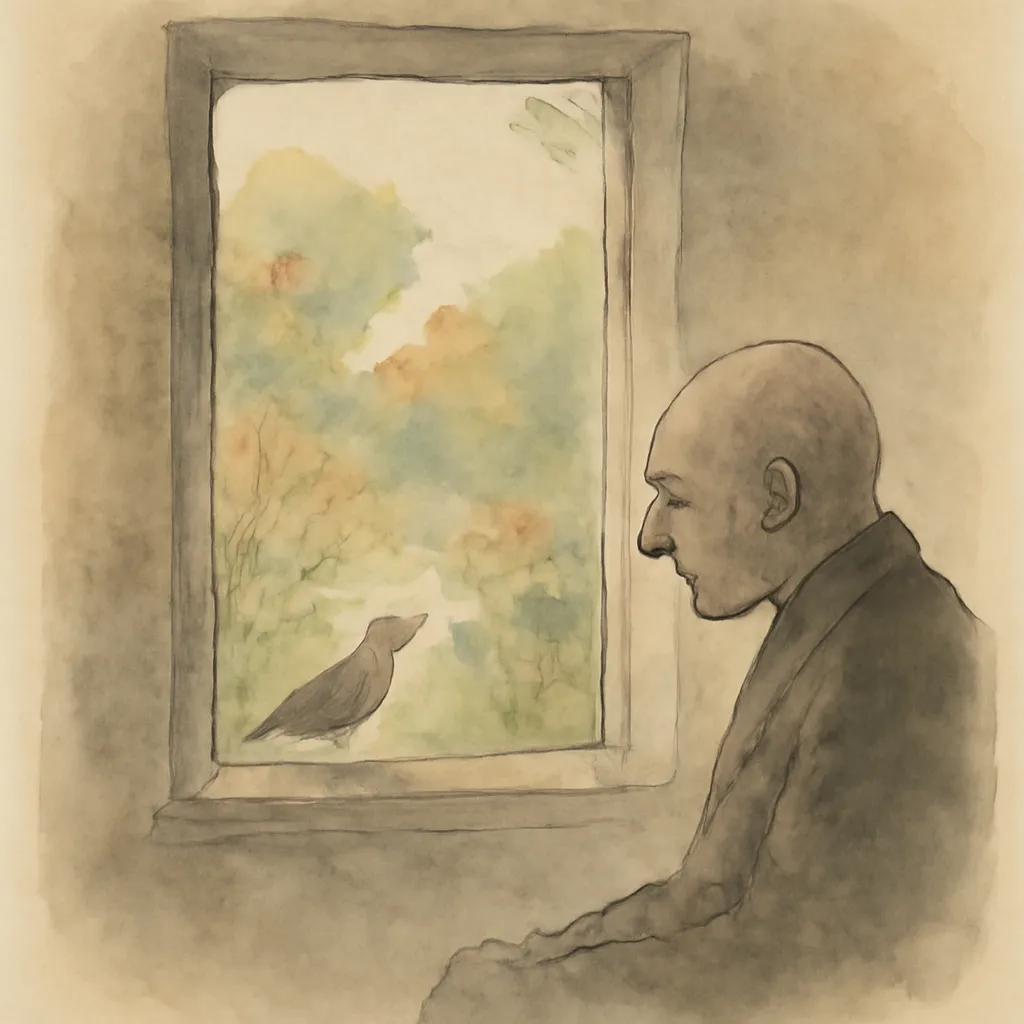
The novel centers on Count Rostov’s ability to maintain his sense of self and dignity despite being stripped of his status and freedom. Through daily rituals, personal standards, and kindness to others, he demonstrates that dignity is not dependent on circumstance but on inner resolve. The Metropol Hotel becomes a microcosm where his choices and conduct reflect a quiet defiance against the dehumanizing forces of history.
2.Adaptation and Resilience
Rostov’s journey is a testament to the human capacity for adaptation. Initially facing despair, he gradually finds meaning through new relationships and roles within the hotel. The narrative suggests that resilience is not about resisting change, but about embracing it, finding new purposes, and shaping one’s environment, however limited it may seem.
3.The Power of Civility and Ritual
Throughout the novel, small acts of civility—shared meals, conversations, and traditions—become acts of resistance and sources of joy. Towles illustrates how rituals and etiquette are not mere formalities but can be lifelines that sustain identity and community, especially in times of uncertainty.
4.History as Personal Experience
Set against the backdrop of Soviet Russia’s seismic changes, the book examines how historical events shape, but do not wholly define, individual lives. Rostov’s story personalizes the abstract sweep of history, showing how ordinary people navigate, endure, and sometimes subtly influence the tides of their era.
5.The Art of Living Well
A central theme is the pursuit of a life well-lived, regardless of external limitations. Rostov’s appreciation for literature, music, food, and friendship underscores the idea that beauty and meaning are accessible even in restricted circumstances. The novel invites readers to consider what truly matters in a fulfilling life.
6.Mentorship and Legacy
Rostov’s relationship with Nina and later Sofia highlights the importance of mentorship and the transmission of values across generations. The Count’s influence on these young women is a reminder that even within confinement, one can leave a lasting legacy through guidance and love.