1.The Diversity Within Arab Identity
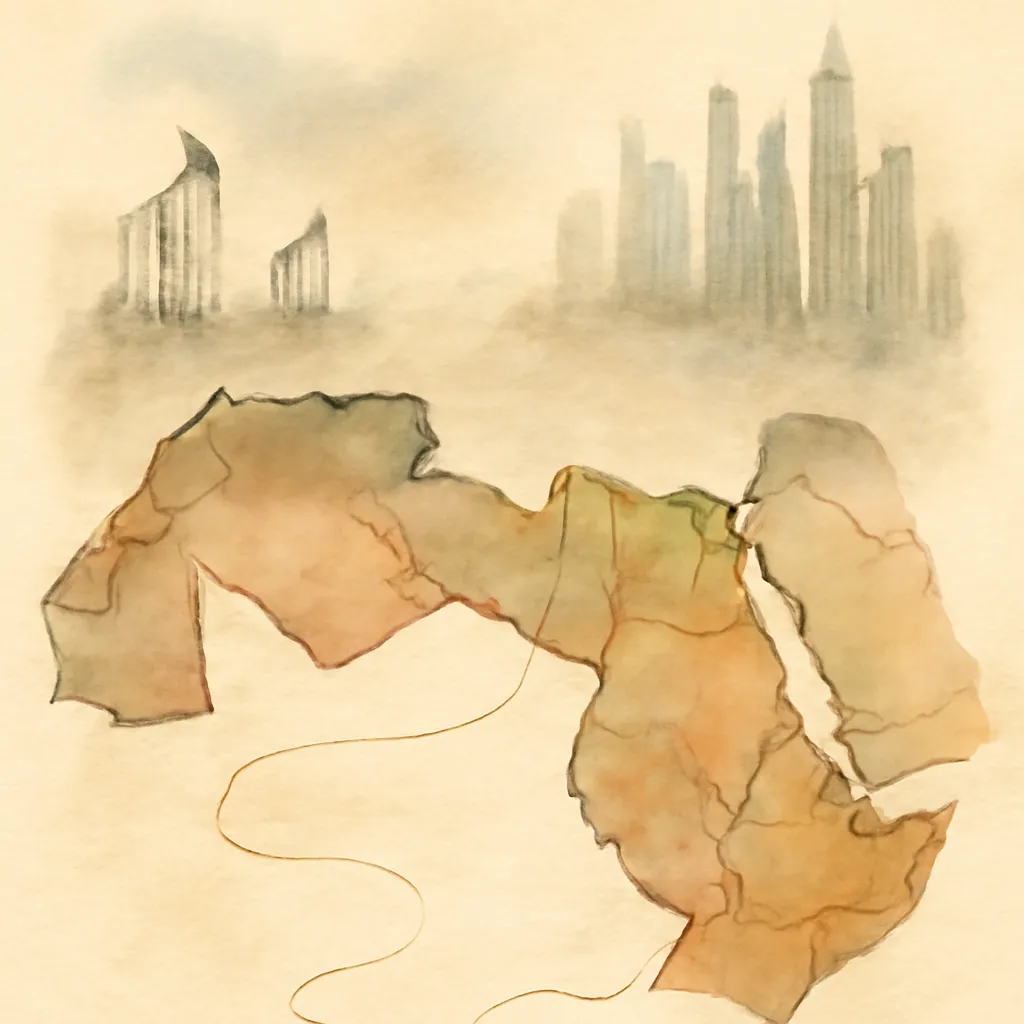
Hourani emphasizes that 'Arab' is not a monolithic identity. The book explores the linguistic, religious, and regional diversity that has always characterized Arab societies. From the earliest Islamic empires to modern nation-states, Hourani shows how Arabs have negotiated their sense of self amid influences from Persia, Byzantium, Europe, and Africa, and how local traditions, sects, and languages have persisted alongside a shared Arabic language and Islamic heritage.
2.The Central Role of Islam
Islam is presented not just as a religion but as a foundational social and political force. Hourani traces how Islamic law, institutions, and values shaped governance, education, and daily life, while also highlighting periods of pluralism and coexistence with non-Muslim communities. He also explores how interpretations of Islam have evolved, especially in response to internal challenges and external pressures.
3.Urbanization and the Rise of Intellectual Life
The book details the growth of cities such as Baghdad, Cairo, and Damascus as centers of administration, commerce, and intellectual activity. Hourani illustrates how urbanization fostered advances in science, philosophy, literature, and the arts, and how the transmission of knowledge was central to the Arab world’s historical dynamism. He also notes the tension between urban elites and rural populations, a theme that recurs throughout Arab history.
4.Encounter with the West and Modernity
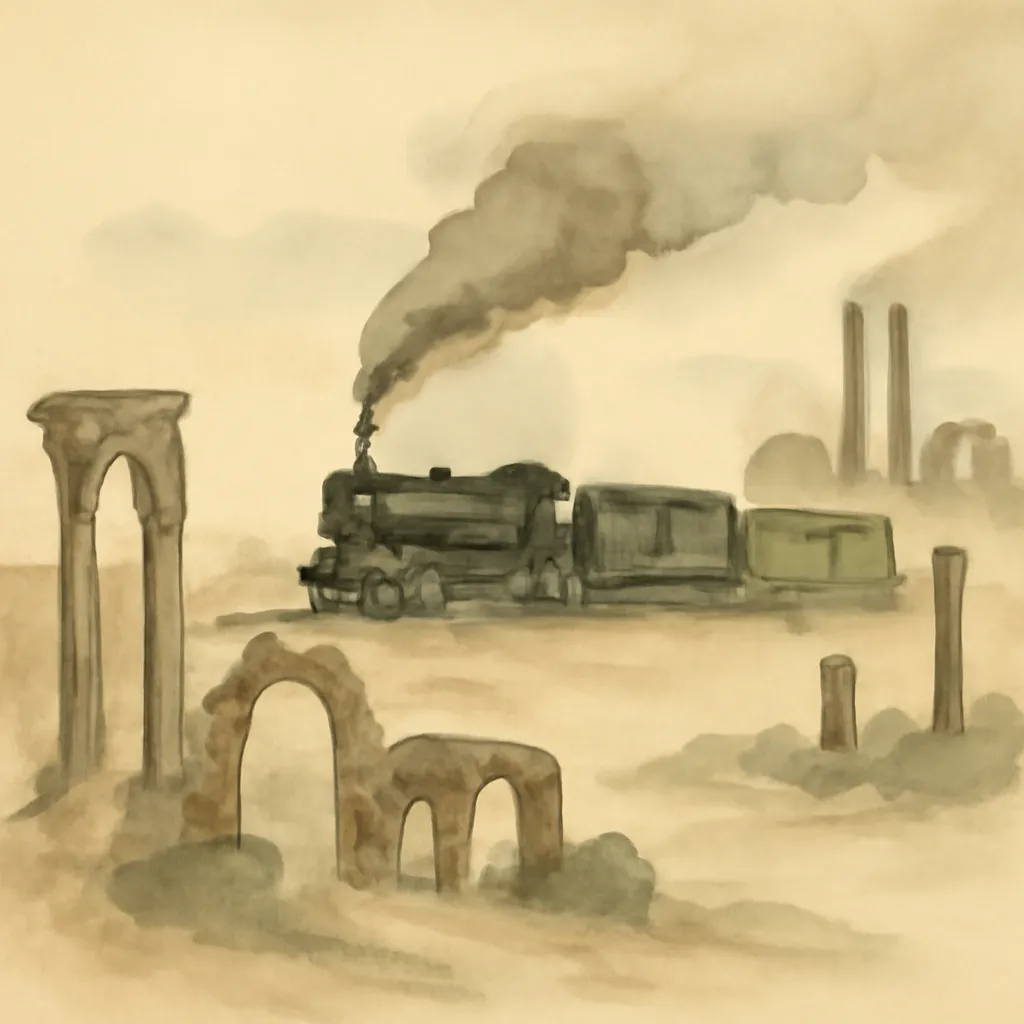
Hourani devotes significant attention to the transformative impact of European imperialism and the subsequent drive toward modernization. He analyzes how Arab societies responded to colonial rule, technological change, and new political ideologies, leading to reforms, nationalist movements, and sometimes conflict. The book avoids simplistic narratives, instead highlighting the ambivalence and diversity of Arab responses to the West.
5.Continuity and Change in Social Structures
A recurring theme is the balance between continuity and adaptation. Hourani examines how family, tribe, and religious communities have provided stability, while also adapting to changing economic and political realities. He shows that while external events—such as invasions or colonialism—have shaped Arab societies, internal dynamics and longstanding social structures have often proved remarkably resilient.
6.The Challenge of Modern Nationhood
In the modern era, Hourani explores the emergence of Arab nation-states, the rise of nationalism, and the struggle to define collective identities in a rapidly changing world. He discusses the tensions between pan-Arabism and local loyalties, the impact of oil wealth, and the persistent quest for political legitimacy and social justice.