1.The Clash of Cultures
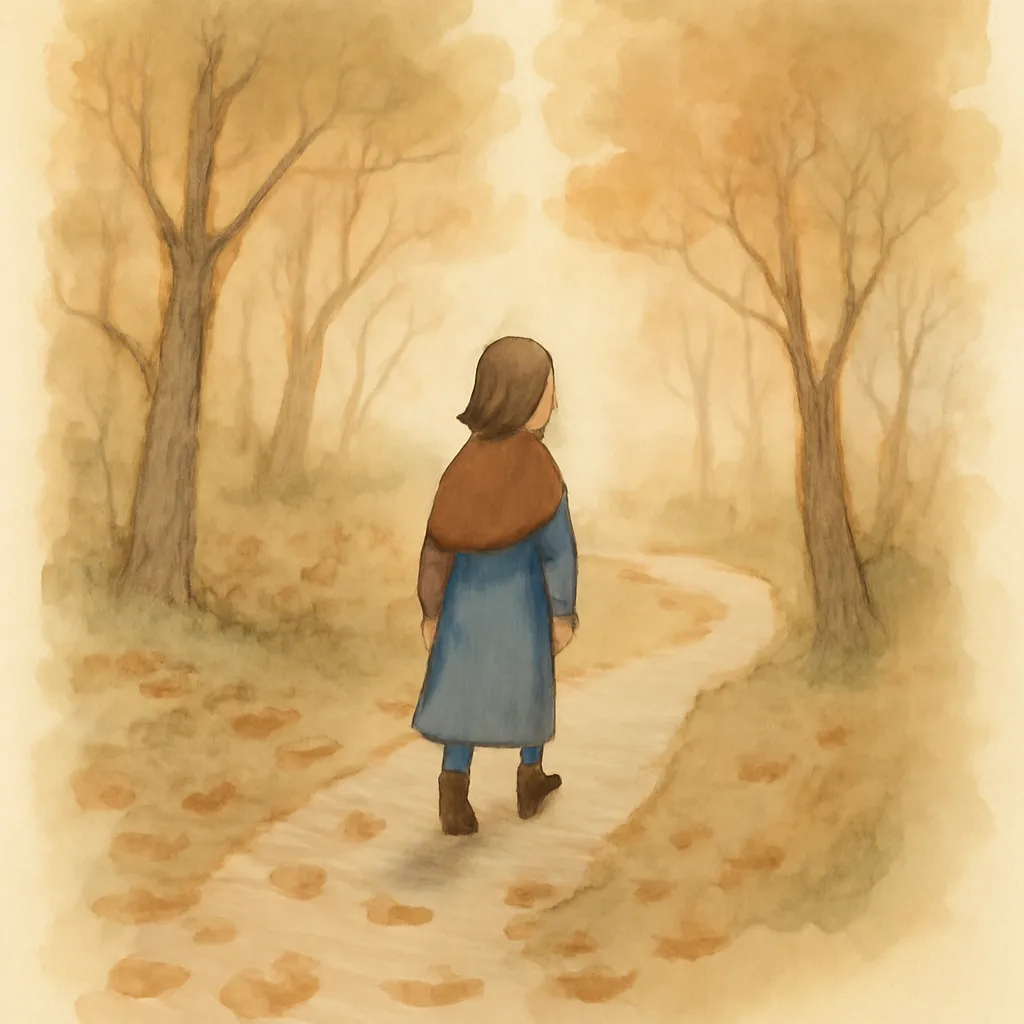
Doris Adams's journey begins with her arrival from England, bringing with her the cultural norms and expectations of her homeland. The initial conversations among her relatives in Boston reveal the tension between Old World traditions and New World ideals. For instance, Aunt Priscilla's disdain for Doris's French background highlights the prejudices that existed at the time, suggesting that her heritage might predispose her to 'superstition.' Yet, as the story unfolds, Doris embodies the spirit of the new America, blending her French roots with her Puritan upbringing. This clash of cultures serves as a backdrop for Doris's personal growth, illustrating how she learns to navigate her identity amidst the conflicting expectations of her family and society.
2.Friendship and Support Systems
Doris's friendships play a crucial role in her adaptation to her new life in Boston. Betty, her cousin, becomes a significant ally, providing both companionship and a sense of normalcy in an otherwise tumultuous time. Their conversations reveal the innocence and sincerity of childhood, as they navigate the challenges of growing up together. For example, Betty's excitement about Doris's arrival and her willingness to help her dress showcases the bonds of family and friendship that help Doris feel at home. This support system is essential as Doris faces the complexities of her new environment, including school, societal expectations, and her evolving identity. The narrative reinforces the idea that friendships can provide solace and strength during times of change.
3.Education and Gender Roles
The discussions around Doris's education reflect the societal attitudes towards women's roles in the early 19th century. The debate about whether Doris should attend a finishing school or a more practical institution illustrates the limited educational opportunities available to women at the time. While Uncle Win advocates for a broad education, Aunt Priscilla's views reflect the prevailing belief that girls need only the 'three R's' to fulfill their roles as wives and mothers. This tension highlights the struggle for women's education during a time when many believed that ignorance was a virtue for women. Doris's experiences in school show her desire for knowledge and growth, challenging the limitations placed on her by her family and society. Through her journey, the narrative underscores the importance of education as a means of empowerment for women.
4.The Impact of War on Society
The backdrop of the War of 1812 serves as a critical turning point in the story, affecting the lives of all characters. The discussions around enlisting and the excitement of young men ready to fight illustrate the fervor of nationalism and the impact of war on a community. Doris observes how the war changes the dynamics within her family and among her friends, as many face the reality of loss and sacrifice. The narrative captures the tension between the desire for adventure and the fear of the unknown, portraying how war reshapes relationships and societal norms. As characters grapple with their roles in a time of conflict, Doris's innocence stands in stark contrast to the harsh realities of war, adding depth to her character development and the overarching themes of the story.
5.The Complexity of Family Dynamics
Family relationships are central to Doris's story, revealing the complexities and nuances of familial love. The interactions between Doris, her aunts, and cousins illustrate a range of emotions from affection to rivalry. Aunt Priscilla's strictness and traditional views often clash with Doris's more modern sensibilities, creating tension within the household. This dynamic is further complicated by the expectations placed on each character, particularly the women, who are judged based on their ability to marry well and manage a household. The narrative delves into how these familial pressures shape Doris's understanding of love, duty, and her own desires. As she navigates the expectations of her family, Doris learns valuable lessons about loyalty, sacrifice, and the importance of carving out her own identity amid familial obligations.
6.Romantic Aspirations
Doris's journey is also one of romantic discovery, as her relationships with boys and young men evolve throughout the story. The budding romance with Cary Adams introduces a new layer to Doris's character, as she grapples with her feelings and the implications of love. The contrast between her innocent crushes and the more serious intentions of the young men around her highlights the complexities of adolescent love. For instance, Cary's proposal and the ensuing discussions about their future reflect the societal expectations surrounding marriage and the role of women in that institution. This aspect of the narrative underscores the tension between personal desires and societal norms, as Doris navigates her feelings while being aware of the expectations placed upon her as a young woman.
7.The Role of Social Gatherings
Social gatherings, such as tea parties and formal dinners, serve as pivotal moments in the story, showcasing the importance of community and social etiquette in Old Boston. These events provide a stage for characters to express themselves, build relationships, and navigate the complexities of social hierarchies. Doris's experiences at these gatherings reveal the subtleties of social interaction and the pressures to conform to societal expectations. Through her observations and interactions, readers gain insight into the customs and behaviors that defined the era, from the careful preparation of meals to the art of conversation. These gatherings also serve as a backdrop for character development, as Doris learns to assert herself and find her voice within the constraints of her environment.
8.The Struggles of Growing Up
Doris's journey is marked by the universal struggles of growing up, from grappling with identity to navigating friendships and romantic interests. Her experiences reflect the challenges faced by many young people as they seek to understand themselves and their place in the world. The narrative captures the innocence of childhood while also addressing the complexities of adolescence, as Doris confronts her fears, desires, and the expectations of those around her. Moments of doubt, joy, and discovery shape her character, illustrating the emotional landscape of growing up. As Doris learns to balance her dreams with the realities of her environment, the story resonates with anyone who has faced similar challenges in their own journey toward adulthood.
9.The Essence of Individuality
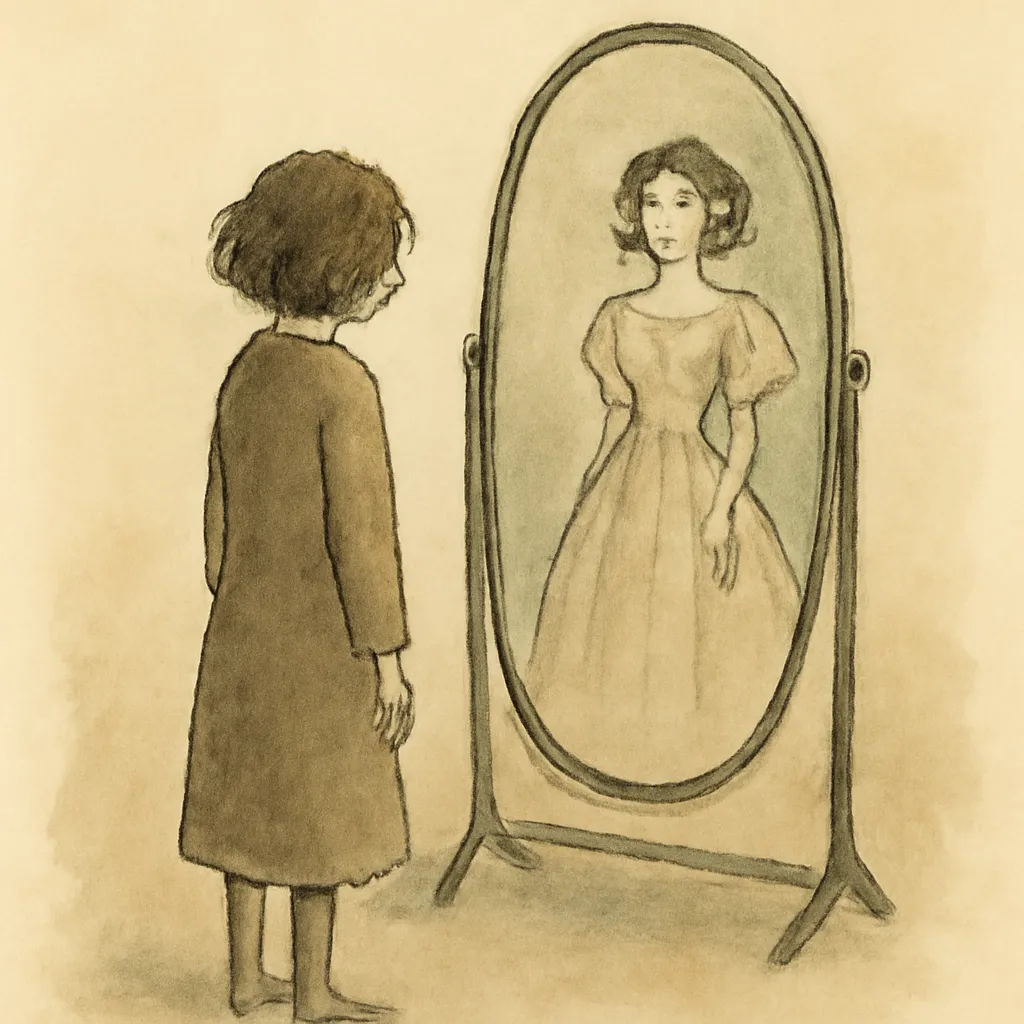
Throughout the story, Doris embodies the struggle for individuality in a society that often prioritizes conformity. Her journey reflects a desire to carve out her own identity, distinct from the expectations placed upon her by her family and society. Doris's interactions with her relatives and friends reveal her inner strength and determination to be true to herself, even when faced with resistance. For example, her passion for education and her love for literature set her apart from her peers, showcasing her unique perspective on life. As she navigates the challenges of growing up, Doris learns the importance of staying true to her values and aspirations, ultimately emerging as a strong, independent young woman. This theme of individuality resonates with readers, encouraging them to embrace their own uniqueness in the face of societal pressures.
10.The Value of Kindness and Empathy
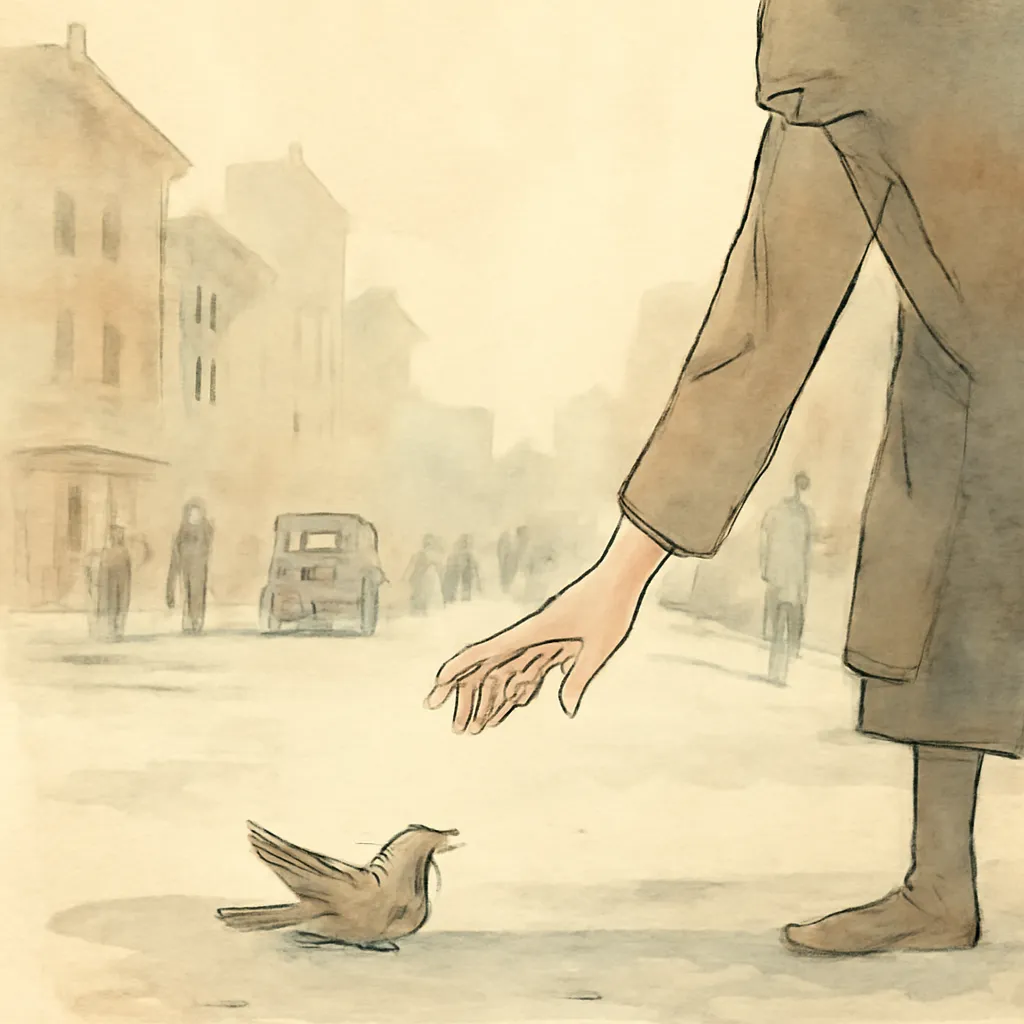
Throughout Doris's journey, the importance of kindness and empathy emerges as a central theme. Her relationships with others, including her family, friends, and acquaintances, are marked by moments of compassion and understanding. For instance, Doris's willingness to help her cousins and friends reflects her nurturing nature and her desire to create a supportive environment. The narrative emphasizes how small acts of kindness can have a profound impact on individuals and the community as a whole. As Doris navigates the complexities of her relationships, she learns the value of empathy and the importance of treating others with respect and compassion. This theme resonates deeply, reminding readers of the power of kindness in fostering meaningful connections and creating a harmonious society.