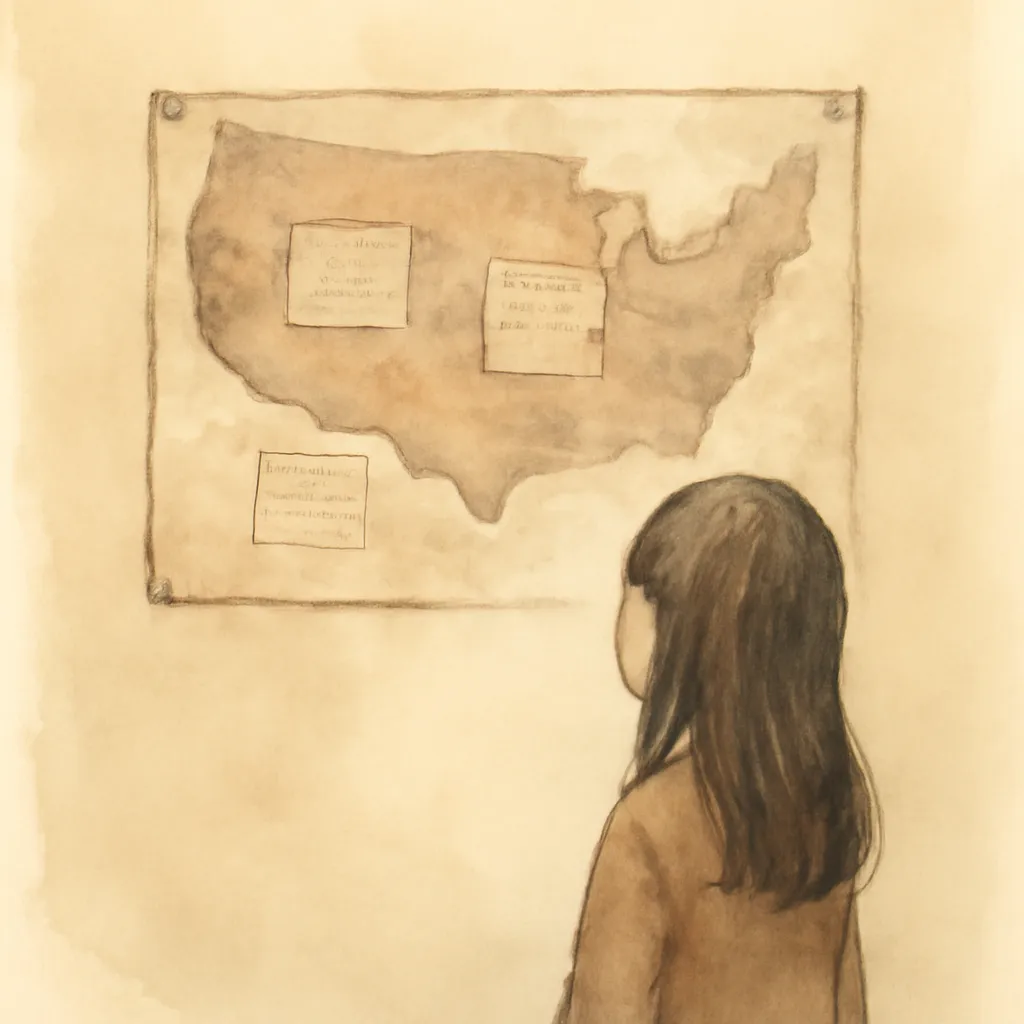
1.The Innocence of Childhood
The narrative centers around the little girl, whose innocence and curiosity reflect the purity of childhood. She grapples with fundamental questions about her world, such as the implications of moving to New York City and what it means to grow up. Her interactions with her father, who is both humorous and nurturing, exemplify the protective nature of parental love. As she contemplates her new life in the city, the little girl remains focused on simple pleasures, such as sewing patchwork and playing tag with her friends. The author illustrates her innocence through her careful attention to detail, seen when she meticulously sews her patchwork quilt and asks thoughtful questions about the world around her. This innocence is juxtaposed with the realities of adult concerns, illustrating the tension between childhood simplicity and the complexities of growing up in a changing society.
2.Family Dynamics and Support
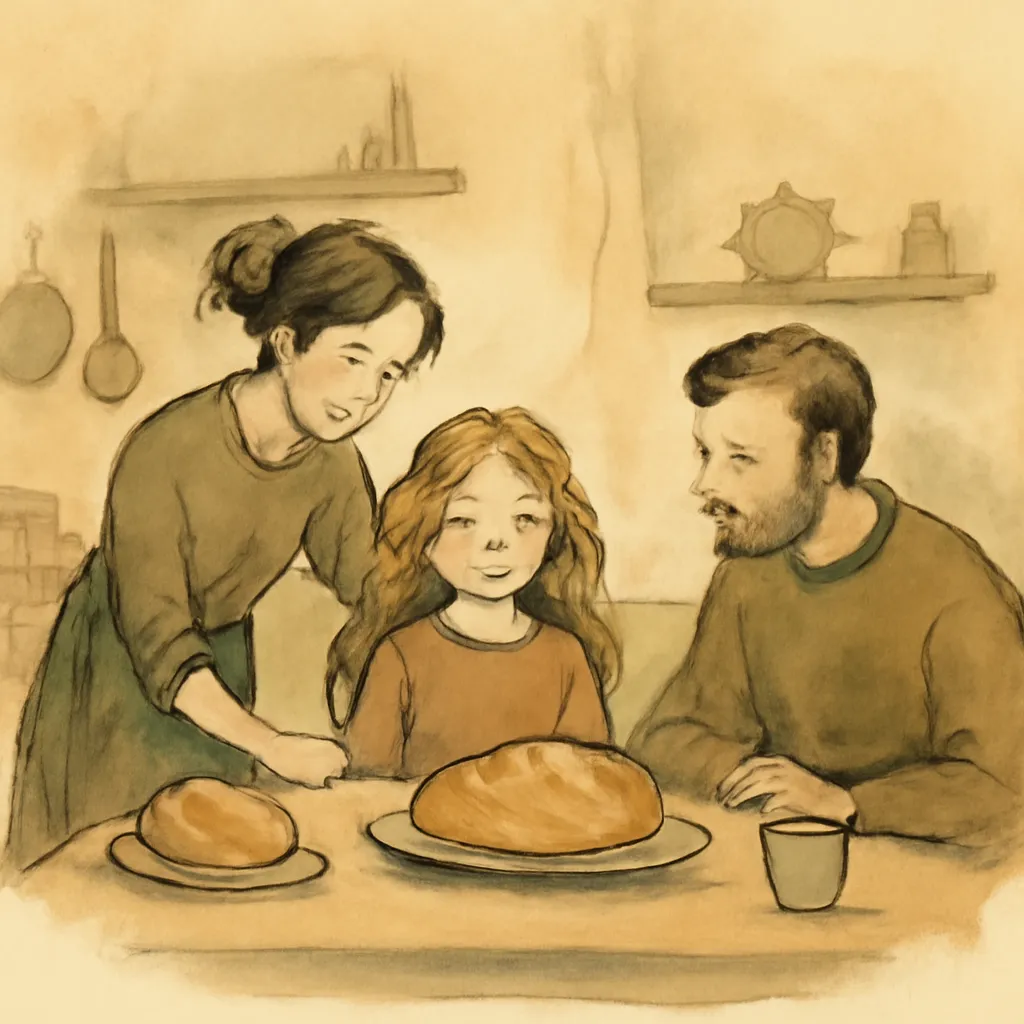
Family plays a crucial role in shaping the little girl's identity and experiences. Her interactions with her mother and siblings reveal a household steeped in love, despite the occasional tensions that arise from differing personalities and responsibilities. The mother, a notable housekeeper, embodies the traditional expectations placed on women during this period, managing the household while ensuring her children's well-being. She is sharp in temperament but clearly cares deeply for her family, as illustrated during their preparations for moving. The father's easygoing nature balances the mother's sharpness, creating a dynamic where each family member contributes to the household's harmony. As the family prepares for their move to New York, their collective support underscores the importance of familial bonds in navigating life's transitions. This interdependence is evident when the family engages in discussions about the move, with everyone pitching in to make sense of this significant change.
3.The Allure of New York City

New York City emerges as a character in its own right, with its vibrant streets and diverse inhabitants drawing the little girl into a world of possibilities. The descriptions of the Battery and Castle Garden evoke a sense of wonder and excitement, as she imagines the famous singers she will hear in the future. The city's transformation from a quaint settlement to a bustling metropolis is mirrored in the little girl's journey of self-discovery, as she learns to navigate its wonders and challenges. The detailed imagery of cherry trees in bloom and the shimmering bay captures the beauty of her new surroundings. However, this allure of the city is not without its complexities; she grapples with feelings of being 'queer' or out of place among her peers, revealing her struggle to find her identity amidst the diversity. Douglas captures the essence of urban life, illustrating how the city shapes its inhabitants while also presenting challenges that require resilience and adaptability.
4.Friendship and Social Dynamics
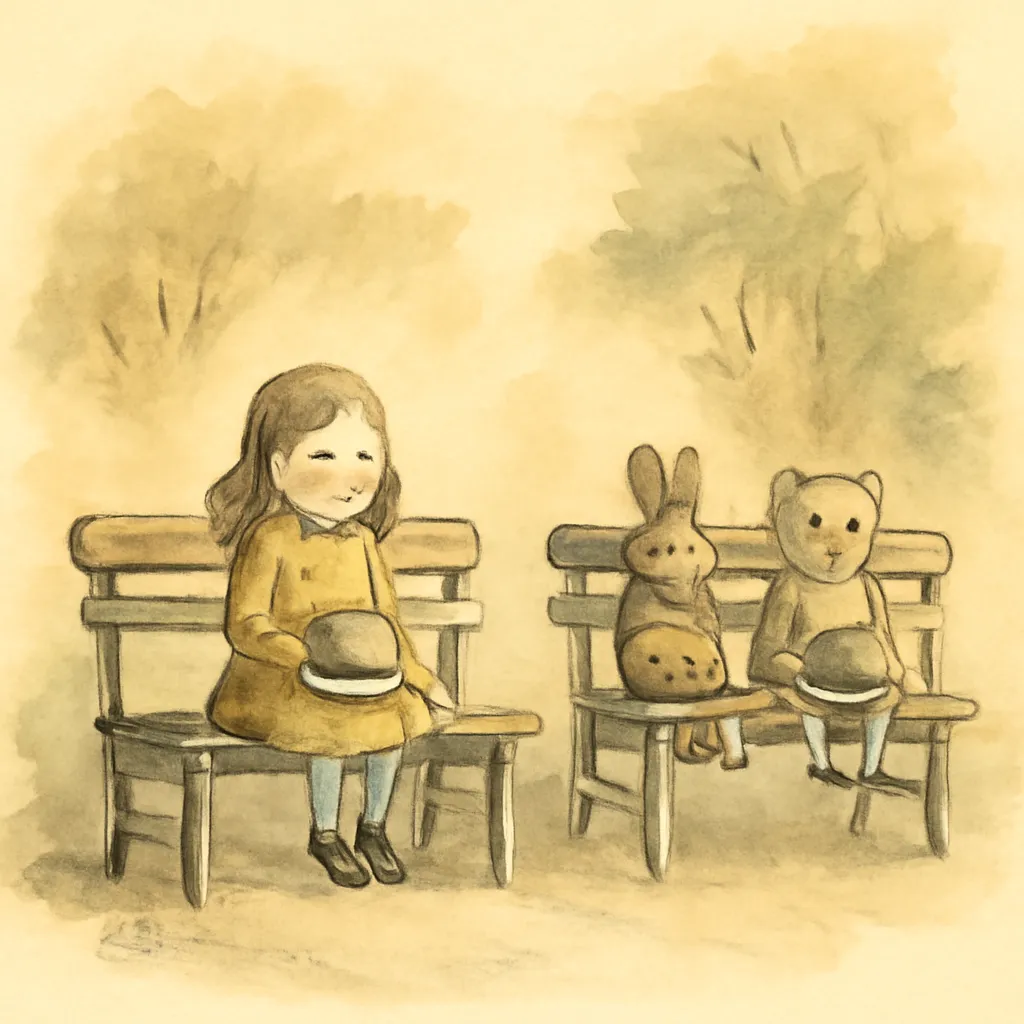
The little girl's friendships evolve as she navigates her new environment, highlighting the social dynamics that define childhood relationships. Her encounters with Josie and Tudie Dean illustrate the initial awkwardness of forming new friendships, as they sit stiffly together, unsure of how to connect. The children's interactions are marked by the innocence of youth, characterized by fidgeting and furtive glances, which reveal their desire for acceptance. The pressure to form connections is further compounded by the expectations of society, as the mothers discuss the value of education and refinement for girls. As they gather flowers for a nosegay, the little girl learns the importance of camaraderie and shared experiences in building lasting bonds. These friendships serve as a microcosm of the larger social changes occurring in the city, where diversity and immigration are reshaping the community. The little girl’s struggle with feelings of inadequacy and her growing awareness of societal hierarchies become avenues for her personal growth.
5.Education and Personal Growth
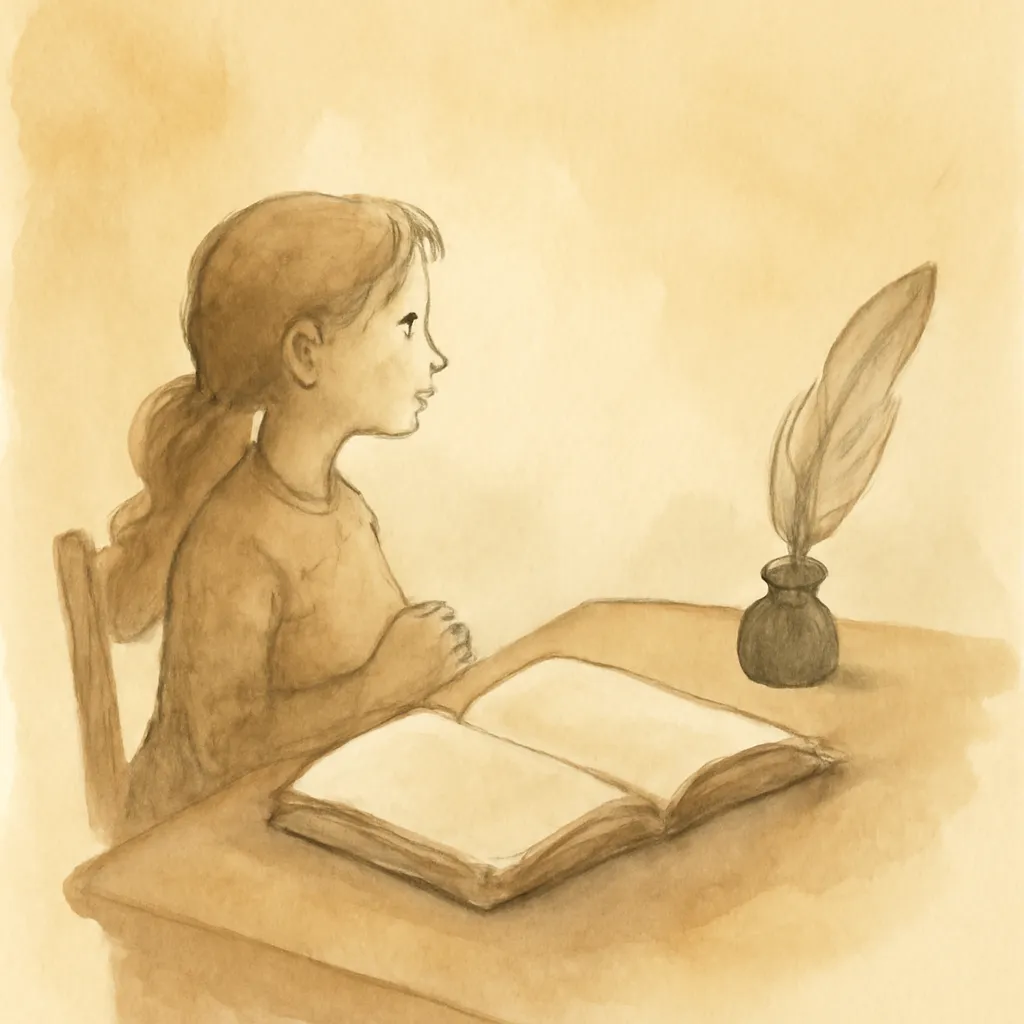
Education is a recurring theme in the little girl's life, reflecting the societal value placed on learning and personal development. Her pride in advancing to a higher spelling class demonstrates her desire for achievement and recognition, symbolizing her growing independence. The little girl studies geography and contemplates the mysteries of the world, revealing her curiosity about the broader context of her existence. Her educational pursuits are not confined to the classroom; they extend to her observations of the world around her as she engages in conversations with her father about historical events. The differing opinions on education—exemplified by Aunt Mary's skepticism regarding the world's shape—highlight the generational and ideological divides present in society. While the little girl thrives on knowledge, navigating these tensions encourages her to think critically and develop her own opinions about education and its role in shaping her future.
6.Cultural Reflections and Societal Change
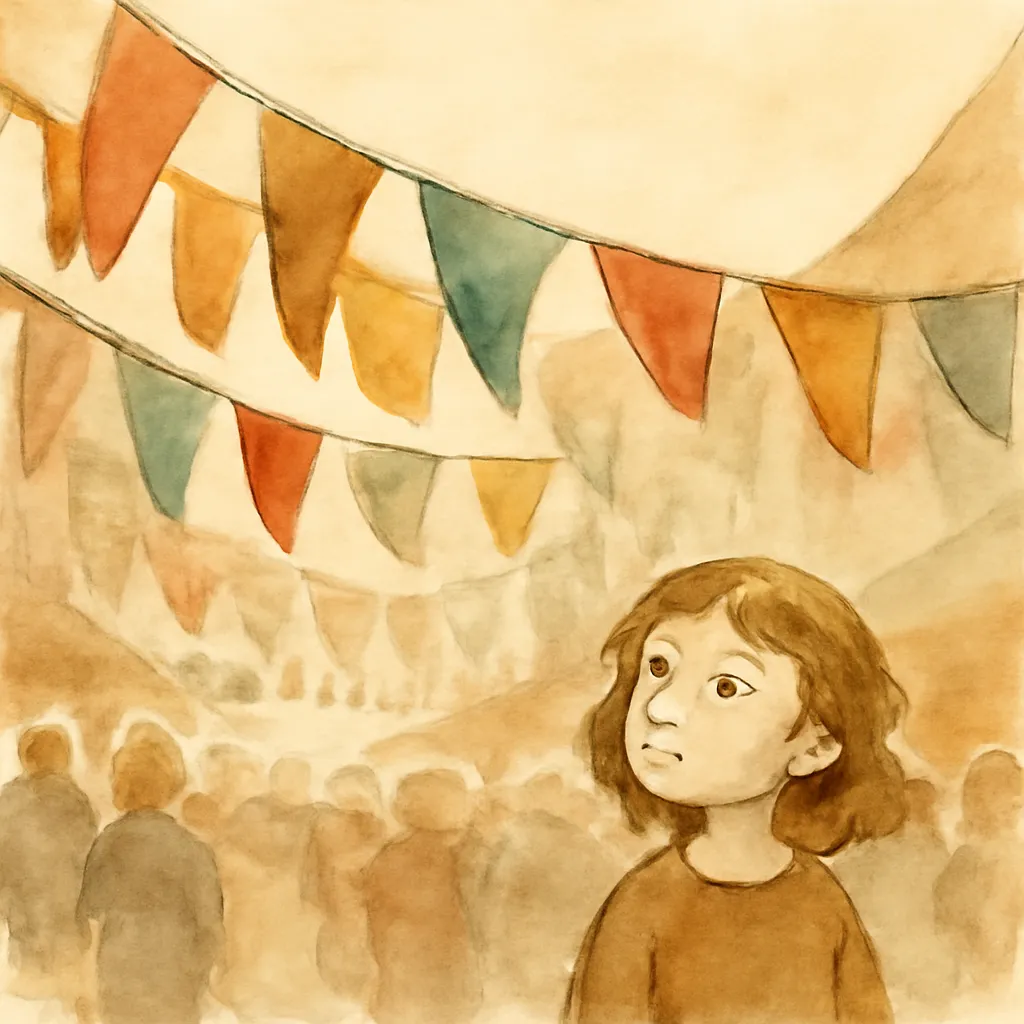
Douglas intricately weaves cultural reflections into the narrative, showcasing the societal changes occurring in 19th-century New York. The little girl's curiosity about the world beyond her immediate surroundings is mirrored by her father's historical anecdotes about the Dutch settlement and the city's evolution. This historical context enriches the narrative, providing readers with insight into the complexities of societal progress. The discussions about immigration and the changing demographics of the neighborhood reveal the tensions and challenges faced by communities during this period. For instance, the concerns expressed by the mothers about the influx of immigrants highlight the broader societal anxieties regarding cultural integration. As the little girl observes these transformations, she becomes acutely aware of the shifting cultural landscape, prompting her to question her place within it and ultimately shaping her understanding of identity.
7.The Role of Women in Society
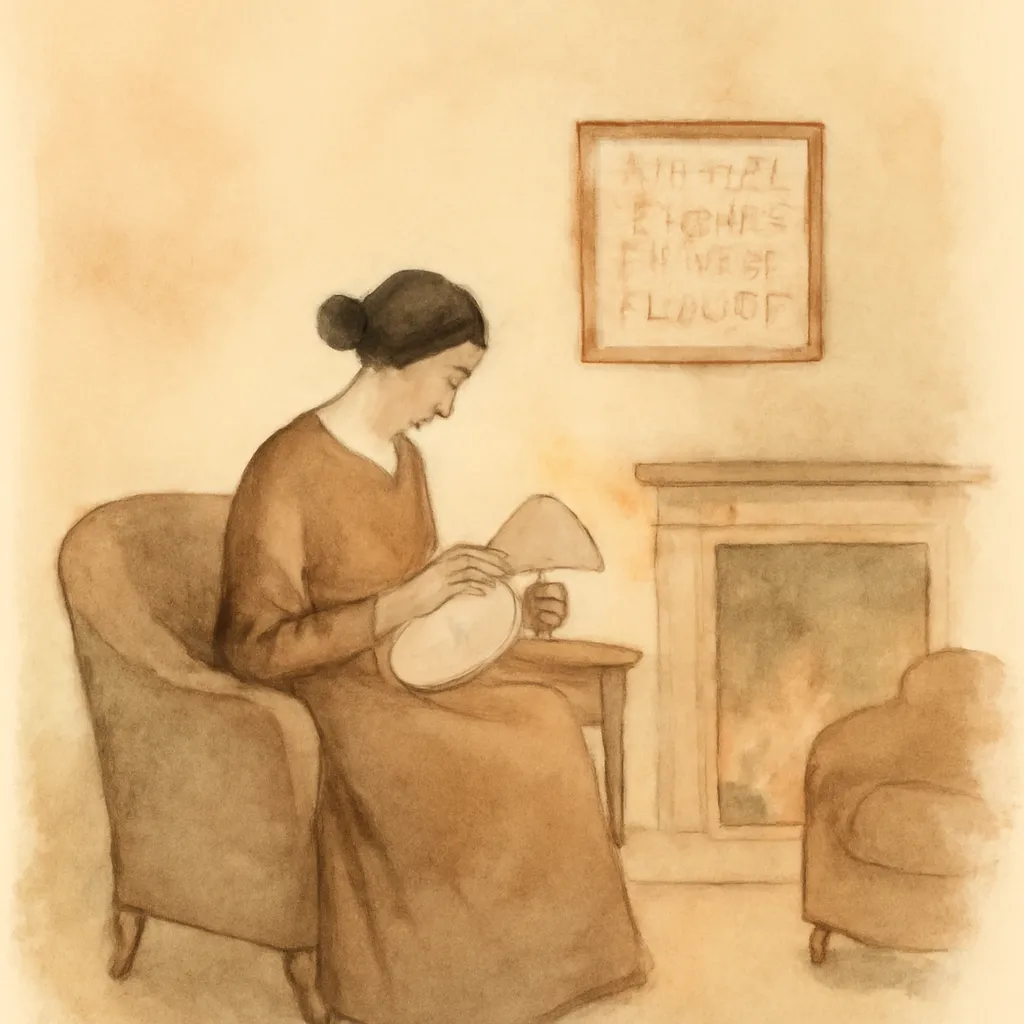
The narrative offers a lens into the roles and expectations of women in the 19th century, as exemplified by the little girl's mother. She embodies the traditional domestic role, managing the household and caring for her children, while also expressing frustration over societal expectations that limit women's opportunities. The little girl's encounters with various women, such as Mrs. Craven and Aunt Mary, reveal differing perspectives on femininity and education, showcasing the societal pressures placed upon women to conform to specific ideals. The contrast between the nurturing mother figure and the more progressive women in her life highlights the evolving nature of women's roles during this time. As the little girl witnesses these dynamics, she begins to form her own understanding of what it means to be a woman in a changing society. This exploration of gender roles serves as a critique of the limitations imposed on women and the potential for personal empowerment through education and self-discovery.
8.The Impact of Historical Events
Historical events serve as a backdrop to the little girl's experiences, shaping her understanding of the world. The narrative references significant occurrences, such as the annexation of Texas and the tensions between the United States and England, which impact the broader societal landscape. These events not only reflect the historical context but also influence the characters' lives and decisions. The little girl and her father's discussions about geography and current events encourage her to think critically about the world around her. As she grapples with the implications of these historical moments, she gains a deeper awareness of her own identity and the complexities of the society in which she lives. Furthermore, Douglas cleverly intertwines these historical reflections with the little girl's personal growth, demonstrating how external events shape internal development.
9.Celebrating Traditions and Holidays
Holiday celebrations play a significant role in the narrative, providing moments of joy and reflection for the little girl and her family. The Christmas festivities capture the warmth of family gatherings, where traditions are upheld and cherished. The little girl's excitement over new gifts and family visits highlights the importance of connection and shared experiences during these special occasions. However, the absence of her mother during Christmas underscores the bittersweet nature of these celebrations, as the family grapples with loss and change. The joyous atmosphere is tinged with a sense of longing, as the little girl reflects on what it means to celebrate in a family that has faced challenges. Douglas masterfully balances the joy of holiday traditions with the realities of life, illustrating how celebrations can serve as both a source of comfort and a reminder of what is missing.
10.The Journey of Self-Discovery
Throughout the narrative, the little girl's journey is one of self-discovery as she navigates the complexities of her environment. Her feelings of being 'queer' or out of place reflect her struggle to find her identity among her peers. The challenges of fitting in, coupled with the societal expectations placed upon her, force her to confront her insecurities, especially with the girls at school. As she observes the dynamics of friendship, family, and societal change, she begins to forge her own path. The little girl's growth is marked by her ability to adapt to new experiences and learn from them, ultimately shaping her understanding of herself and her place in the world. Douglas captures this journey with sensitivity, allowing readers to resonate with the universal theme of self-discovery.