1.The Endurance and Limits of Friendship
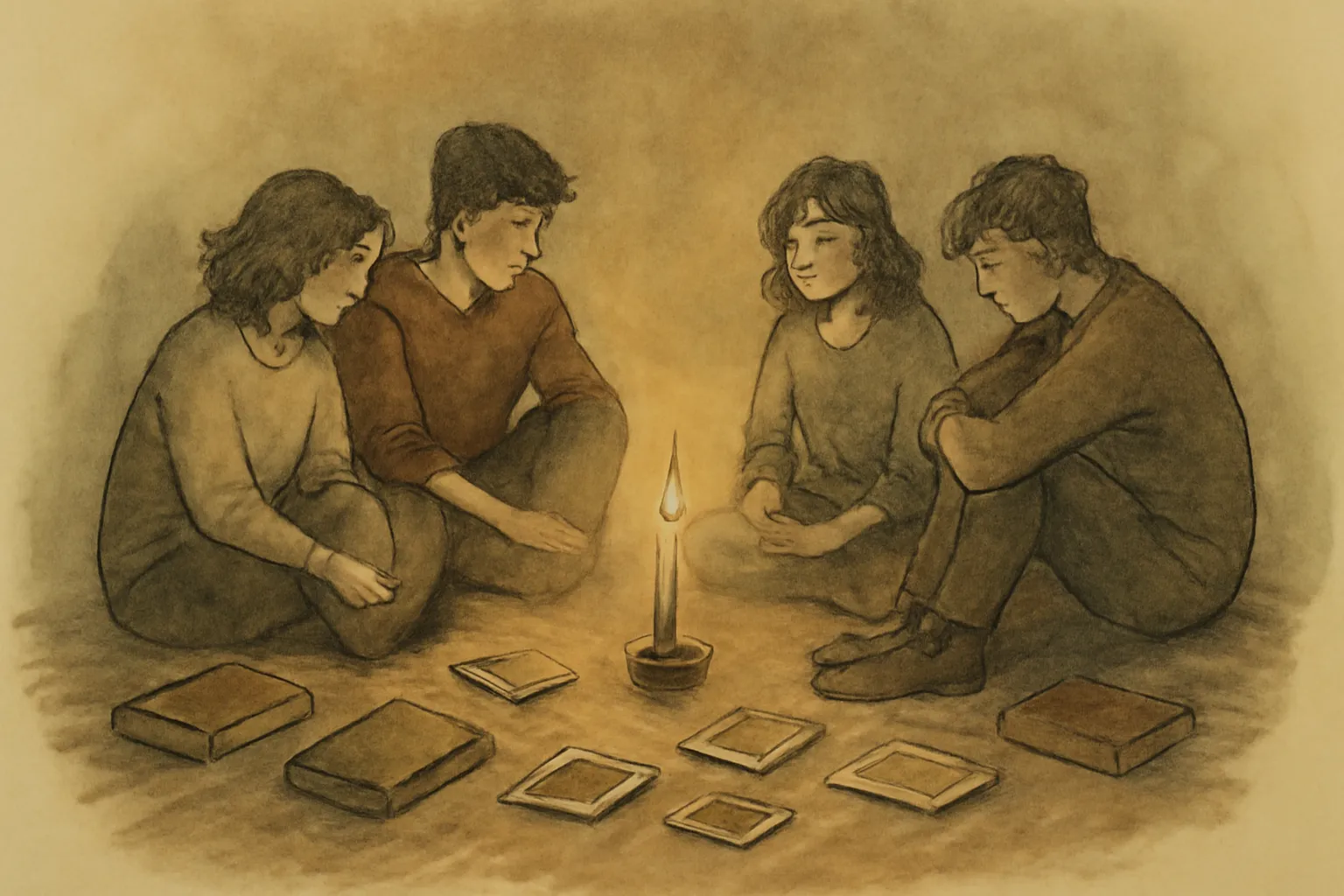
At its core, A Little Life examines how friendships can be both sustaining and fraught. The novel follows Jude, Willem, JB, and Malcolm from college into middle age, revealing how their bonds are tested by time, ambition, and, most centrally, Jude’s suffering. Yanagihara explores the idea that friendship can be as intense and lasting as family, but also asks whether love is always enough to heal or save another person. The book questions the boundaries of loyalty and the emotional toll of supporting someone through relentless pain.
2.The Lasting Impact of Trauma
Jude’s story is one of unrelenting trauma, and Yanagihara does not shy away from depicting the lifelong consequences of abuse. The novel is unflinching in its portrayal of how early suffering shapes Jude’s identity, relationships, and self-worth. Rather than offering easy redemption, the narrative insists on the reality that some wounds never fully heal, raising questions about resilience, survival, and the limits of empathy.
3.The Ethics of Care and Compassion
A Little Life interrogates what it means to care for someone who is deeply wounded. Through characters like Willem and Harold, the novel explores the ethical complexities of compassion: how much should one give, and at what cost to oneself? Yanagihara asks whether love is an obligation, a choice, or something more complicated, and whether true care sometimes means accepting that you cannot fix another’s pain.
4.Shame, Secrecy, and the Struggle for Self-Acceptance
Jude’s internal world is dominated by shame and secrecy, which both protect and isolate him. The novel explores how shame distorts self-perception and can prevent even the most loving relationships from offering comfort. Yanagihara shows how secrecy can be both a survival mechanism and a barrier to intimacy, and how the struggle for self-acceptance is ongoing and often incomplete.
5.Ambition, Success, and the Cost of Achievement
While much of the novel focuses on suffering, it also traces the professional successes of its main characters. Yanagihara examines how ambition and achievement can coexist with personal pain, and how external accomplishments may mask internal struggles. The book raises questions about the meaning of success and whether it can bring fulfillment or simply serve as a distraction from deeper wounds.
6.The Nature of Suffering and the Search for Meaning
A Little Life is ultimately a meditation on suffering—its randomness, its endurance, and its meaning. Yanagihara resists offering easy answers, instead presenting suffering as an inescapable part of existence for some. The novel asks whether meaning can be found in pain, and whether love, art, or friendship can offer solace, even when healing is impossible.