1.The Weight of Family Legacy

The complexities of family legacy take center stage in the narrative surrounding the Wentworth family. With the tragic death of Archibald Wentworth, a gifted artist and heir to a grand estate, the story unfolds to reveal the complications of inheritance and familial expectations. Archibald's demise stirs a web of claims and intentions, particularly from a distant relative who has long been estranged from the family. This narrative thread illustrates how one's destiny can be irrevocably shaped by family lineage, raising questions about loyalty, entitlement, and the ethical dimensions of inheritance. Meade artfully illustrates how legacies can both uplift and burden individuals, casting long shadows over their lives. The tension between familial pride and betrayal becomes palpable, prompting readers to reflect on their own legacies. This theme underscores the idea that the choices made by previous generations can significantly shape one’s destiny and lead to unforeseen consequences, not just for individuals but for entire families.
2.The Allure of the Supernatural
The theme of the supernatural is prevalent as characters grapple with the inexplicable. Mr. Edgcombe's quest to understand the haunting of a specific house reveals the deep-seated human fascination with ghosts and the afterlife. This narrative allows Meade to explore the psychological implications of such beliefs, as characters confront their fears and the unknown. The haunted house becomes a metaphor for unresolved issues, symbolizing the past that lingers in the present. As the protagonist seeks to uncover the mystery, it pushes him to confront his own beliefs about life and death. The narrative suggests that confronting the supernatural often leads to personal transformation, where characters must reconcile their fears with their understanding of reality. Readers are invited to consider how the supernatural can reflect personal fears and desires, and how engagement with these elements may lead to acceptance and closure in their own lives.
3.The Dangers of Obsession

In the exploration of spiritualism, the narrative delves into the dangers of obsession, particularly through a character whose fixation on the supernatural leads to mental unraveling. This character’s intense belief in spiritual communication reveals how easily fascination can spiral into obsession, illustrating the psychological toll it can take. Meade deftly highlights the thin line between healthy curiosity and dangerous fixation, showcasing the consequences that arise when one’s beliefs compromise their rationality. The protagonist's descent into madness serves as a cautionary tale, prompting readers to contemplate their own beliefs and how they shape their actions. The narrative emphasizes that while a passionate pursuit of knowledge is commendable, it must be tempered with critical thinking and self-awareness. This exploration serves as a powerful reminder that obsession can lead to personal destruction, urging readers to reflect on their motivations and the potential pitfalls of unchecked fervor.
4.Mysteries Hidden in Plain Sight

The narrative surrounding the Felwyn Tunnel exemplifies how truth often lies hidden in the minutiae of everyday life. The protagonist is tasked with unraveling a mystery that seems straightforward but quickly reveals layers of complexity. Meade illustrates that the most significant clues may be overlooked by those unwilling to look beyond the surface. The story encourages readers to appreciate the power of observation and the importance of critical thinking. As the protagonist delves deeper, it becomes clear that understanding the context and details of a situation can lead to unexpected revelations. This thematic element invites readers to hone their observational skills and remain curious and questioning, urging them to consider how many truths remain undiscovered simply because they are not pursued with diligence. By emphasizing the value of detail, Meade suggests that the answers we seek may often be found in the ordinary, if only we know where to look.
5.Confronting the Past

The theme of confronting one’s past resonates throughout the stories, particularly with characters grappling with family curses and historical injustices. The curse on the Clinton family stands as a powerful metaphor for how unresolved issues can reverberate through generations. This curse symbolizes the weight of familial history and the necessity of addressing past grievances. Through this exploration, Meade emphasizes the importance of acknowledging one’s history to break free from its constraints. Characters are faced with the challenge of reconciling their present lives with the shadows of their pasts, compelling them to seek resolution. The narrative acts as a reminder that personal growth is often tied to confronting and understanding past traumas. Readers are prompted to reflect on their own histories, considering how they inform their present actions and shape their identities, leading to a deeper understanding of the interconnections between past and present.
6.The Psychology of Fear
Fear serves as a driving force in the mysteries, shaping characters' actions and decisions in profound ways. Meade delves into various manifestations of fear—fear of the supernatural, fear of societal judgment, and fear of failure. The narrative explores how fear can paralyze individuals or propel them into action, revealing the duality of this powerful emotion. One character's fear of a haunting leads them to confront their past, ultimately sparking personal transformation. By examining the psychological implications of fear, Meade encourages readers to confront their own anxieties. This exploration serves as a poignant reminder that while fear can be a formidable barrier, it can also be a catalyst for growth and change. The narrative illustrates that facing fears head-on can lead to empowerment, urging readers to consider how their fears shape their choices and influence their lives.
7.The Interplay of Science and the Supernatural
Meade intricately weaves a narrative that juxtaposes science with the supernatural, embodied in characters like Mr. Bell, who approaches mysteries with a scientific lens. The tension between rationality and belief in the supernatural raises intriguing questions about the nature of reality. As the characters navigate supernatural occurrences, they often find that empirical evidence does not always provide the answers they seek. This interplay serves to remind readers that while science is a powerful tool for understanding the world, it does not encompass the entirety of human experience. Meade advocates for a balanced perspective that recognizes the validity of both scientific inquiry and spiritual exploration, suggesting that the two can coexist harmoniously in understanding the complexities of life. This theme encourages readers to be open to exploring the unknown, challenging the boundaries of what is considered real.
8.The Role of the Detective
The character of Mr. Bell exemplifies the archetypal detective, embodying sharp intellect and keen observation as he unravels intricate mysteries. His journey highlights not only the need for analytical skills but also the importance of empathy and understanding human motivations. Meade presents the detective's role as multifaceted—beyond simply solving crimes, it involves delving into the emotional and psychological states of characters. This portrayal underscores the idea that mystery-solving is a deeply human endeavor, requiring insight into the complexities of life. As Bell navigates through the tales, he learns that the motivations behind human behavior are often complex and layered. Readers are invited to appreciate that the detective's work extends beyond mere logic; it involves an intricate dance with the human heart, making the journey toward truth as significant as the resolution itself.
9.The Influence of Environment on Behavior
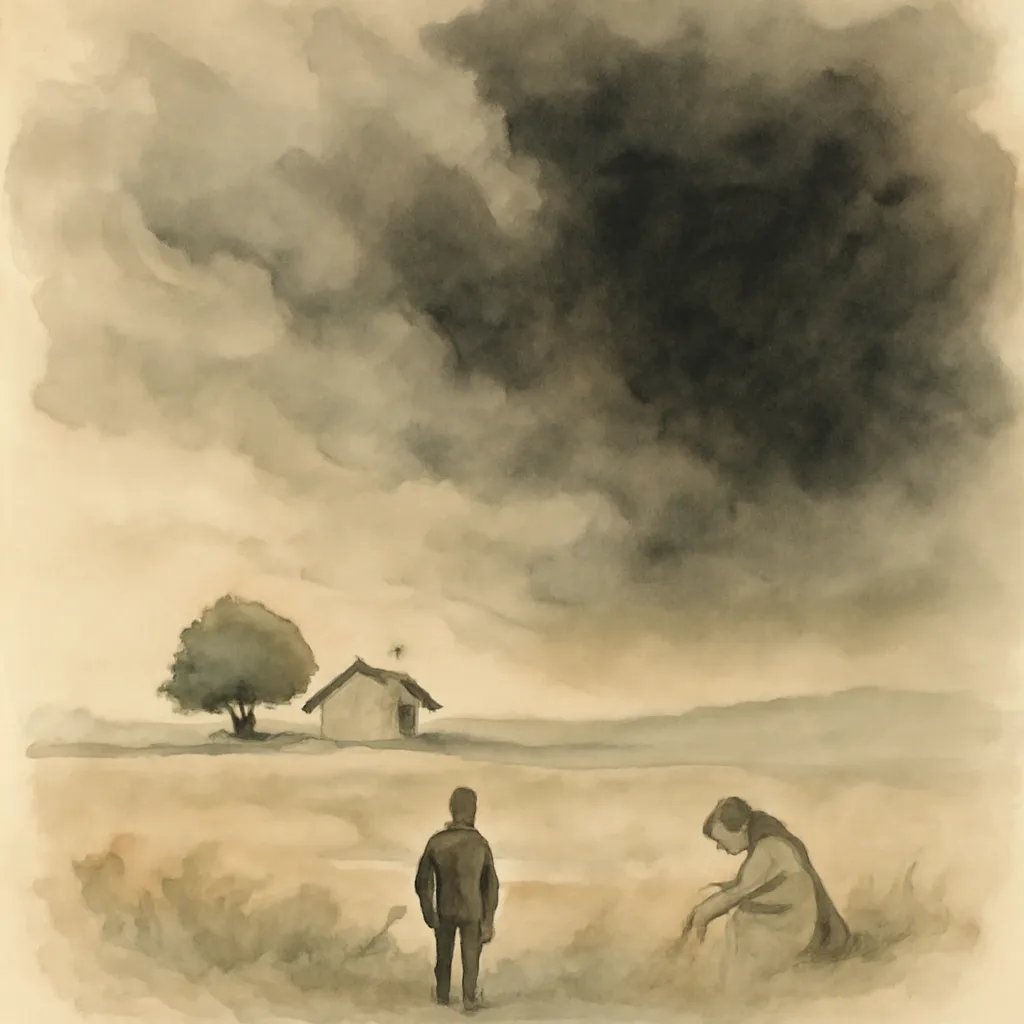
The settings of the stories play a pivotal role in shaping the characters' experiences and decisions. From the foreboding atmosphere of haunted houses to the tranquil beauty of the countryside, the environment reflects the psychological states of the characters. Meade skillfully employs setting to enhance mood and tension, emphasizing how physical surroundings can influence emotional landscapes. This theme invites readers to consider the impact of their own environments on their behavior and experiences. The narrative suggests that our surroundings can either constrict or liberate our actions, shaping identities and perceptions. By engaging with this theme, readers are encouraged to become more aware of the environments they inhabit and how these spaces inform their lives. The interplay between setting and character underlines the notion that context can significantly influence individual choices and actions, leading to a deeper understanding of human behavior.
10.The Nature of Justice
Justice emerges as a complex theme throughout the narratives, prompting characters to grapple with moral dilemmas that challenge their beliefs. The pursuit of justice becomes entangled with personal biases, societal expectations, and the quest for truth. In several stories, characters wrestle with the question of whether true justice can ever be attained, considering the impact of their actions on themselves and others. Meade invites readers to contemplate the intricacies of justice, encouraging a nuanced understanding that goes beyond black-and-white definitions of right and wrong. The narrative reveals that the quest for fairness is often fraught with challenges, requiring individuals to navigate their moral compasses amid competing interests and desires. This exploration of justice serves as a reminder that the pursuit of truth and fairness is a deeply personal journey, one that can lead to difficult choices and profound revelations.