1.History from the Margins
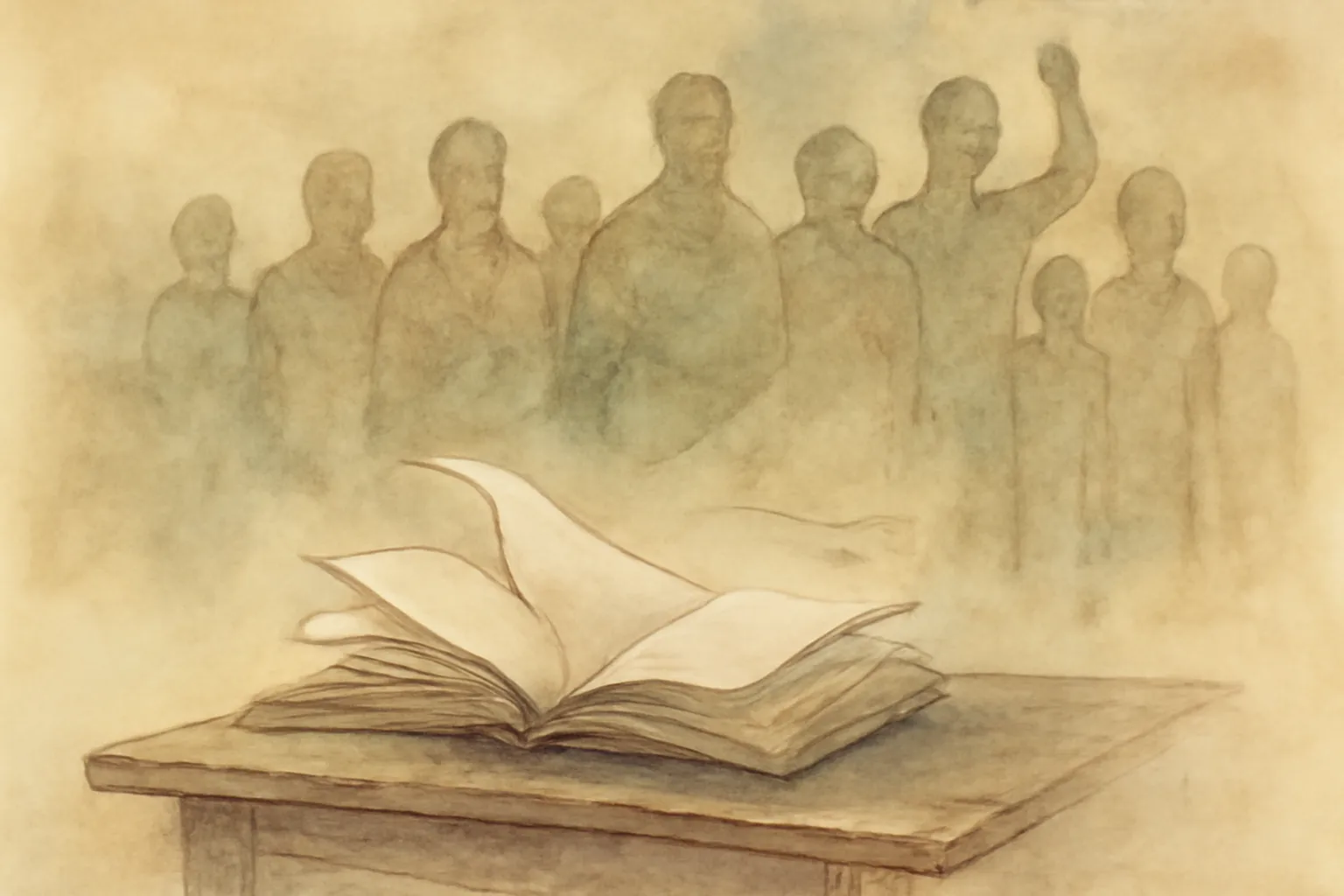
Zinn’s central idea is to retell U.S. history by foregrounding the stories of marginalized groups—workers, women, people of color, Native Americans, and dissenters—rather than presidents, generals, and industrialists. This approach challenges the notion that history is only made by the powerful, revealing how ordinary people have shaped, resisted, and been affected by the nation’s development. By shifting the focus, Zinn exposes the costs of progress and the struggles for justice that are often minimized or ignored in mainstream histories.
2.Exposing Power and Inequality
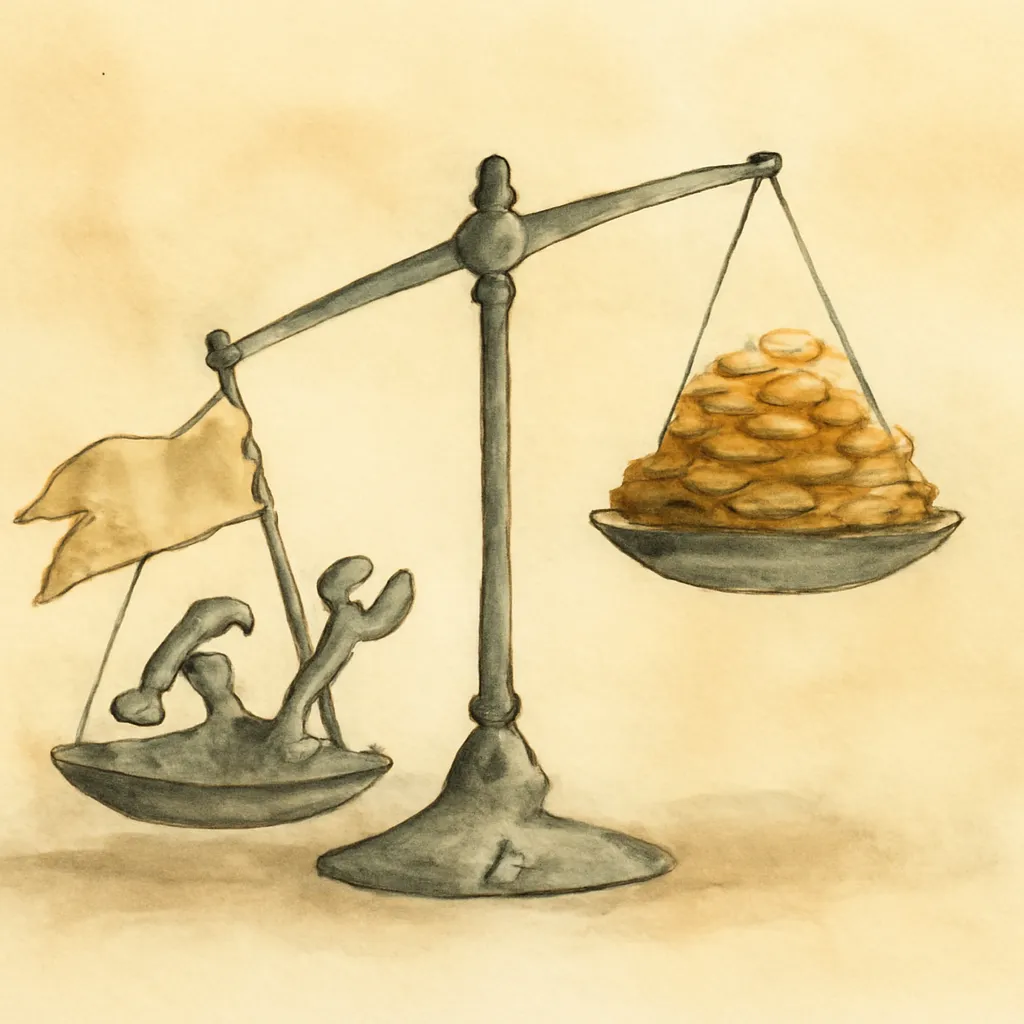
Throughout the book, Zinn scrutinizes how political and economic power has often been wielded to protect elite interests at the expense of the majority. He highlights episodes where government and business colluded to suppress labor movements, disenfranchise minorities, and maintain social hierarchies. This critical lens encourages readers to question whose interests are served by official policies and historical narratives, and to recognize persistent patterns of inequality.
3.Resistance and Agency
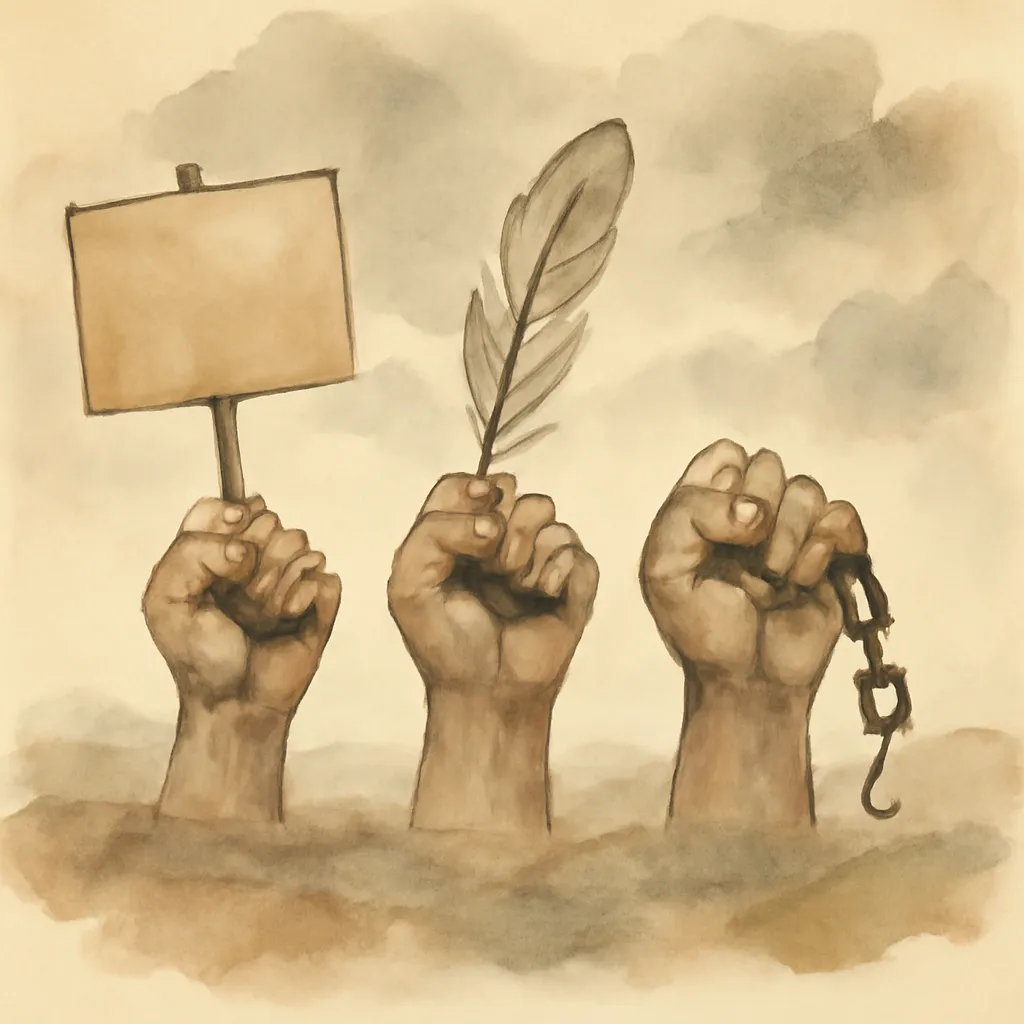
A recurring theme is the agency of ordinary people in resisting oppression and demanding change. Zinn documents strikes, protests, rebellions, and social movements—from indigenous resistance to colonization, to abolition, to the civil rights and antiwar movements. He emphasizes that progress has often come not from benevolent leaders, but from collective action and grassroots organizing, even when such efforts were met with fierce opposition.
4.Myth-Busting the American Narrative
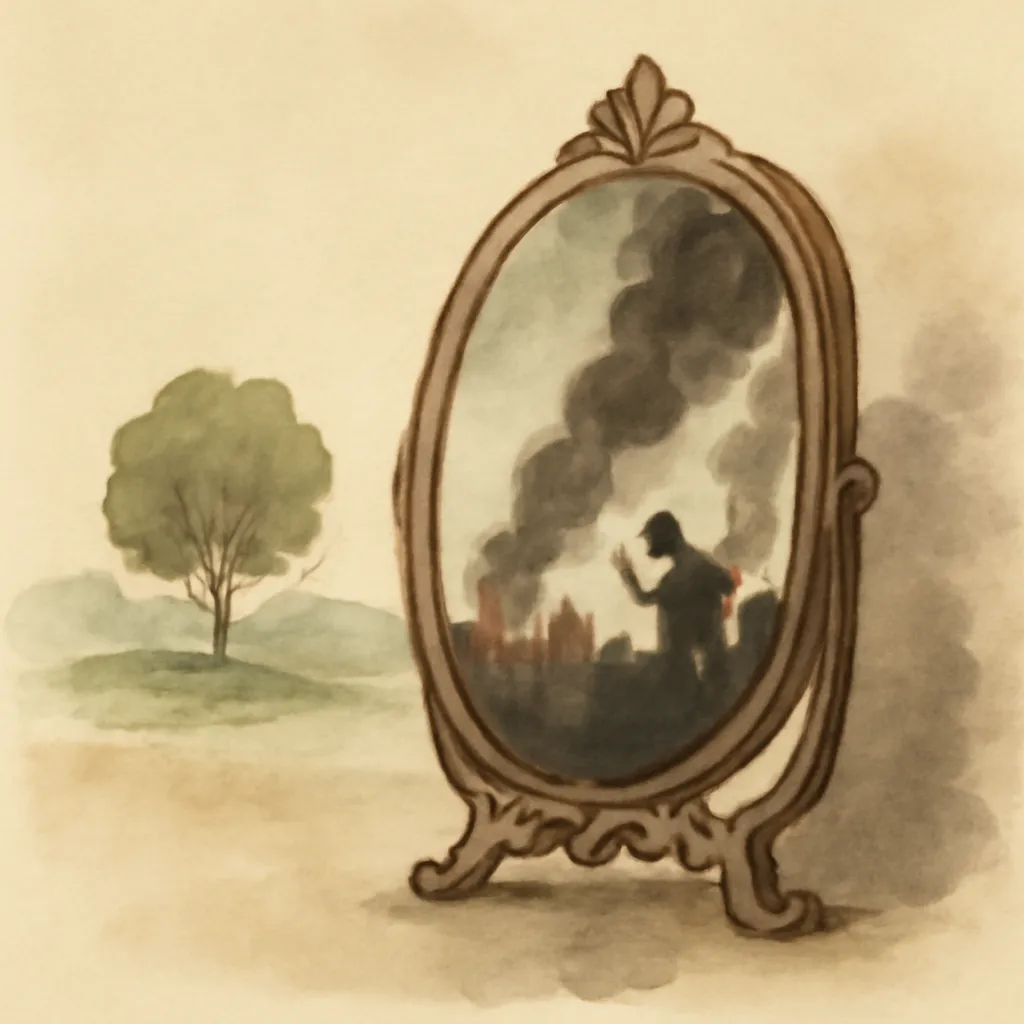
Zinn challenges cherished national myths, such as the idea of America as a land of equal opportunity or a consistently benevolent force in world affairs. He scrutinizes celebrated events—like the founding of the nation, westward expansion, and major wars—revealing the violence, exploitation, and contradictions that accompanied them. This demythologizing invites readers to grapple with uncomfortable truths and to see history as contested and complex.
5.History as a Tool for Change
Underlying Zinn’s work is the belief that how history is told shapes how people understand their society and their own potential to effect change. By illuminating stories of resistance and injustice, he aims to inspire critical thinking and activism. The book suggests that learning history from multiple perspectives is essential for a more just and democratic society.
6.The Limits and Controversies of Perspective
Zinn’s approach has been both influential and controversial. Critics argue that his focus on oppression and conflict sometimes oversimplifies or neglects complexity, while supporters see it as a necessary corrective to sanitized or triumphalist histories. The book itself becomes a case study in how perspective shapes historical understanding, prompting readers to consider the responsibilities and limits of historical storytelling.