1.The Making of a President
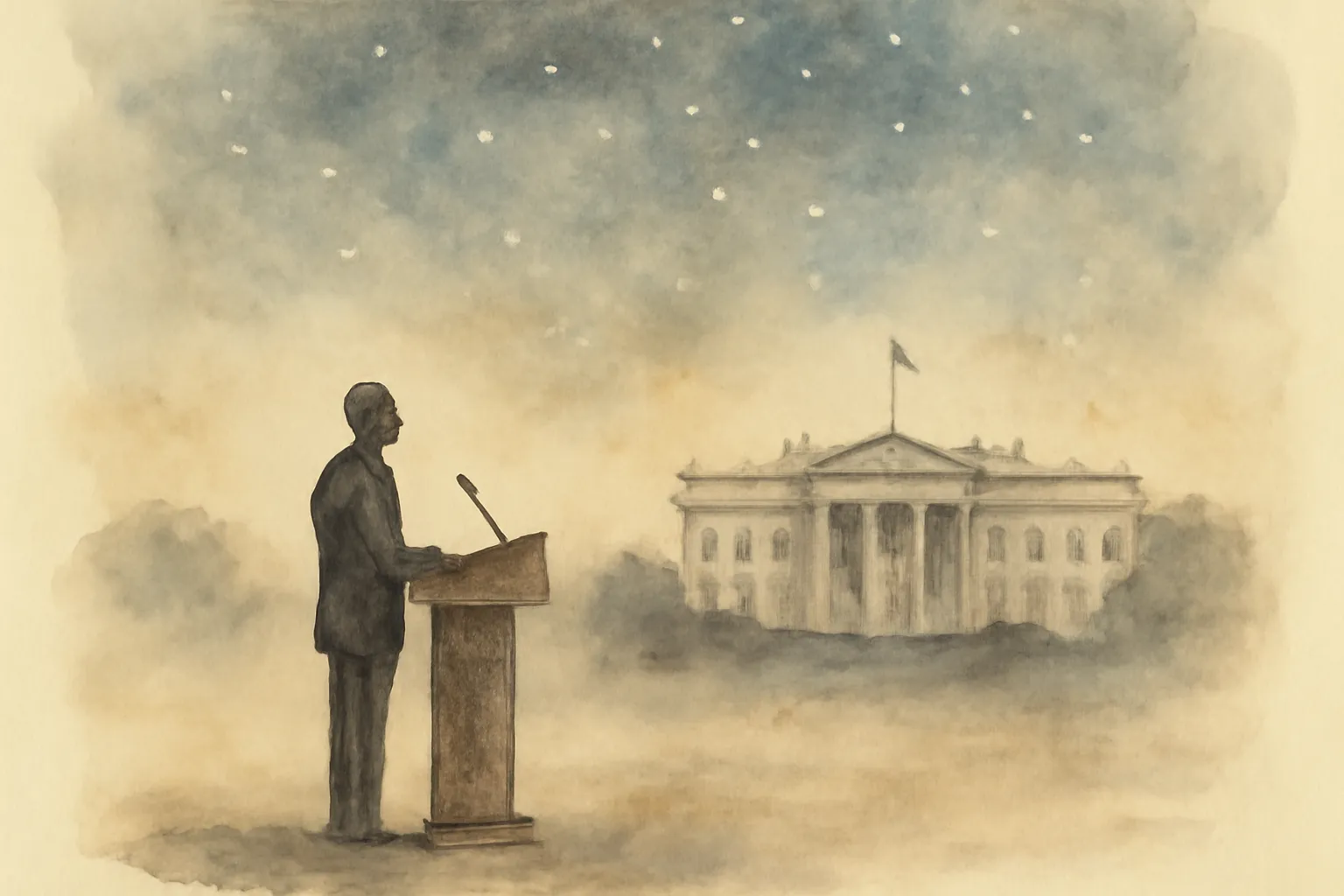
Obama traces his journey from his early life and community organizing in Chicago to his rapid political ascent. He explores the formative experiences that shaped his worldview, including his mixed-race heritage, struggles with identity, and the influence of family and mentors. This origin story grounds his later decisions in the presidency, showing how personal history and values inform public leadership.
2.The Limits and Possibilities of Power
A central theme is Obama’s candid reflection on the constraints of presidential power. He describes the tension between lofty campaign ideals and the hard realities of governance, from navigating Congress to dealing with entrenched interests. The memoir highlights both the frustrations and the moments of progress, illustrating that meaningful change is often incremental and requires compromise.
3.Race, Identity, and History
Obama’s election as the first Black president is a recurring motif, and he addresses both the symbolic significance and the burdens it brought. He discusses how race shaped public perceptions, political opposition, and his own sense of responsibility. The book offers nuanced insights into America’s ongoing struggle with race and the hope—and backlash—his presidency represented.
4.The Role of Idealism in Politics
Throughout the memoir, Obama wrestles with the role of hope and idealism in a cynical political landscape. He describes how grassroots activism and belief in collective action fueled his campaign, but also how disillusionment can set in when change is slow. Obama argues for the enduring importance of optimism, even when faced with setbacks.
5.Behind the Scenes of Decision-Making
The book offers a detailed look at the internal deliberations behind major events: the financial crisis, the Affordable Care Act, foreign policy challenges like the wars in Iraq and Afghanistan, and the operation against Osama bin Laden. Obama emphasizes the weight of responsibility, the complexity of choices, and the importance of listening to diverse perspectives.
6.The Power and Peril of Democracy
Obama reflects on the fragility and resilience of democratic institutions. He discusses polarization, misinformation, and the rise of partisan media, warning of threats to democratic norms. Yet, he remains committed to the idea that democracy, though imperfect, is worth defending and improving through civic engagement.